Business Insider Reveals Scale of SEO Traffic
A leaked staff meeting laid bare the depth of Business Insider’s SEO traffic collapse. Executives are now moving quickly to shift away from old audience models.

Publishers are betting on practical guides and expert-driven advice to win loyalty and boost subscriptions. New initiatives target health, finance, and daily life decisions with a focus on trust and real-world impact.
Publishers face shrinking search traffic and stagnant subscriptions. Membrana Media claims non-subscribers hold untapped value. A new approach promises higher revenue without alienating readers.
At the Indian Printers Summit 2026, publishers faced a hard truth: AI is flooding the market with content, and the old reliance on advertising is no longer enough. Industry leaders say the future depends on understanding readers and building paid relationships.
A U.S. Air Force officer shares his story of survival in Iran on “60 Minutes.” CBS News secured the exclusive interview, sparking debate over Pentagon media policy.
Over 90 union journalists have been laid off at McClatchy newspapers. Seventeen newsrooms, including The Miami Herald, face deep staff reductions. The move signals a new phase of newsroom contraction.
Just after publishing a major investigation, The Charlotte Observer lost several journalists to sudden layoffs. The cuts came hours before the staff was set to receive press awards, highlighting the growing instability in local newsrooms.
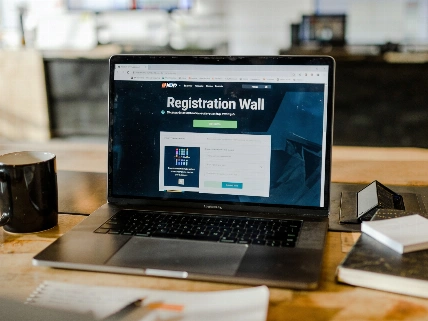
A registration wall did not trigger a traffic collapse. Instead, Rest of World saw stable sign-ups and new insights into what readers value. Here is what actually changed-and what publishers should learn.
A Cleveland.com reporter discovered her byline on an AI-generated article she never saw. The newsroom’s AI desk is under scrutiny as staff question editorial controls.
A new tool promises to catch AI-generated fakes before they hit the news. Publishers can now verify text, images and audio for manipulation before publishing.
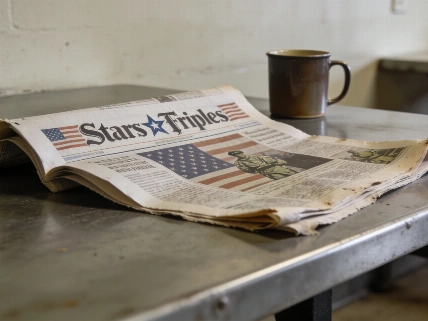
After critical reporting, Pentagon officials fired top Stars and Stripes staff, exposing the fragility of editorial independence in government-funded media.
Platforms and algorithms now compete with newsrooms to decide what gets seen. A new meta-analysis reveals media still influence public priorities, but their grip is slipping.
News publishers are eyeing small business licensing as AI deals hit limits. With search traffic falling, SME content rights could reshape revenue models.
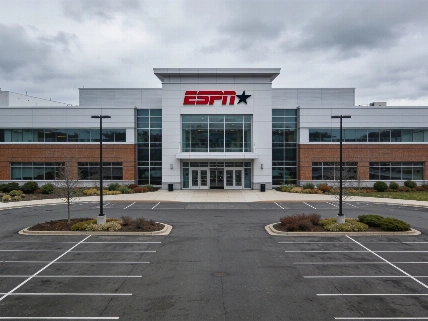
The NBA’s record punishment of the Clippers has put ESPN’s editorial practices under scrutiny. Staff inside the network question whether business priorities are overshadowing journalism.
Meta cut off CrowdTangle and left newsrooms scrambling for alternatives. Now, Arbiter claims it can track viral narratives across platforms. Can AI fill the gap for journalists and fact-checkers?
Reuters replaces Getty as the exclusive licensing partner for ITN’s vast news archive. AI-powered search and richer metadata promise faster, more reliable access for publishers and creators.
A new iPhone feature promises to verify real photos and expose AI fakes. Apple’s move could reshape how publishers and creators prove image authenticity.
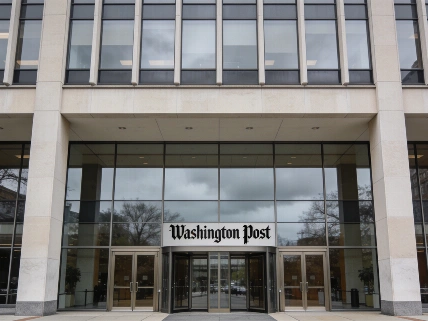
After years of losses and sweeping layoffs, the Washington Post says it could break even by 2026. But with shrinking web traffic and subscriber backlash, can new digital revenue fill the gap?
Twenty-seven local market and sales roles are being eliminated. Scripps is reorganizing its Local Media division into 11 regions, with regional general managers overseeing multiple markets.
With AI serving up answers before readers even click, Ashwin Padmanabhan argues that publishers need to move beyond chasing pageviews and invest in trust and direct audience connections.
A Pulitzer-winning nonprofit is scaling up with a new Arkansas newsroom and a multimillion-dollar video push. Deep South Today must balance rapid growth with sustainable local journalism.
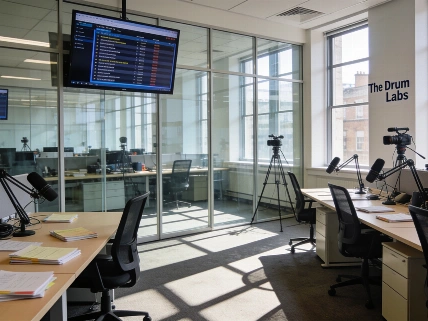
Major brands and agency leaders face off in London as The Drum Live 2026 opens its newsroom to the public. Attendees shape the editorial agenda and challenge industry orthodoxy.
Two major newsrooms accuse OpenAI and Microsoft of exploiting their journalism for AI training. The lawsuits spotlight growing risks for publishers as generative AI reshapes content economics.
Fewer readers are reaching publisher sites as AI-powered search keeps users on platforms. USA TODAY is cutting staff and rebuilding its audience team to confront the new digital reality.
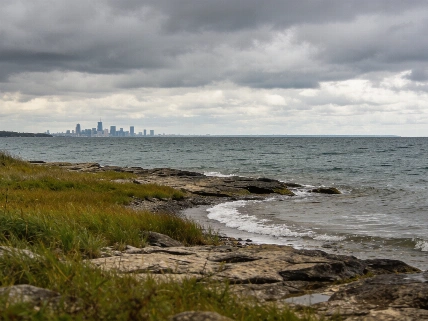
Most news outlets are ignoring Donald Trump’s push to call Lake Ontario 'Lake America.' Even Republican-leaning sites are sticking with the old name. Here’s why the rebranding isn’t catching on.
Adam O'Neal's quiet departure from The Washington Post has left its opinion section without a top editor. The abrupt transition follows a year of internal upheaval and signals deeper challenges for the publication.
Trump calls for FCC scrutiny of NBC's Kristen Welker after her remarks on his endorsements, highlighting ongoing tensions between political messaging and media coverage ahead of the midterms.
Hundreds of Scripps journalists are out as the company pivots to anchorless, AI-powered news streams. Staff and viewers question whether automation can replace trusted local reporting.
AI-powered research reveals most New Jersey news influencers focus on lifestyle and commentary, not original reporting. Monetization remains unstable. Audience engagement demands more effort than traditional journalism.
ProPublica is launching a new investigative hub in California, marking a major step in its national expansion. The move signals a deeper commitment to local journalism and new opportunities for regional reporting partnerships.