Washington Post puts real reporting front and center
The Washington Post now lets readers see every step of its investigations. Its new brand platform pulls back the curtain on how big stories are built.
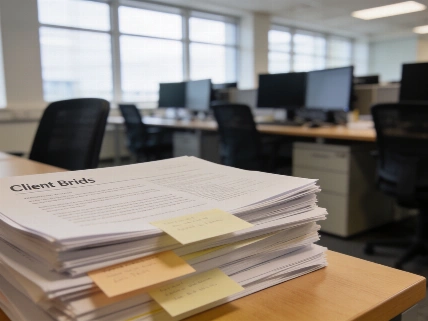
A newsroom veteran now leads a commercial editorial team that hunts for stories in client briefs. Editors alone decide what gets published.
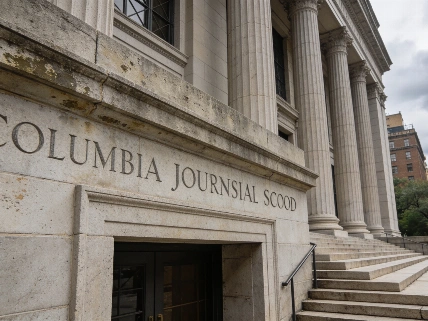
Columbia has stopped taking new M.A. journalism applications. The school is rolling out its first online degree, with high tuition and a curriculum review driving the changes.
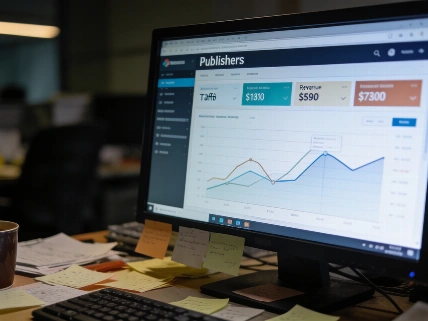
AI search is draining publisher traffic. Media leaders are moving fast to build direct ties with readers, betting on creators and newsletters to keep revenue alive.
A leading Amazonian news outlet has suspended all election coverage after repeated threats. The move exposes the rising dangers for regional journalists in Brazil.
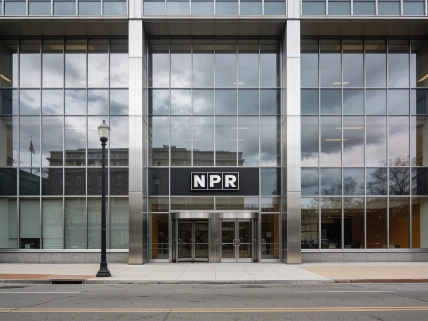
NPR secures Machine Gods from Casey Newton and Kevin Roose. The deal signals a bold shift as NPR pushes into video-first podcasts despite recent job cuts and funding changes.
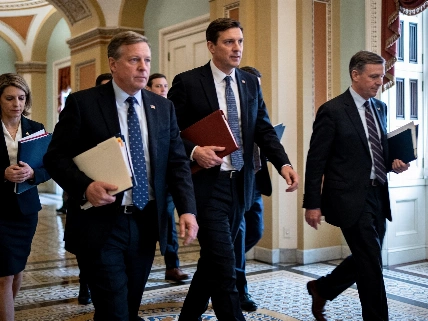
A surge in AI bots scraping news sites has pushed over 300 publishing executives to Capitol Hill. They are urging lawmakers to support a bill forcing AI crawlers to reveal themselves and stop covertly harvesting journalism for training data.
AI search now favors publishers who own their topics, not those chasing random keywords. Here’s why entity SEO is now essential for newsrooms and how it protects brands from algorithm hits.
OpenAI is doubling its support for local newsrooms using AI. The Lenfest Institute will now place full-time AI engineers in more outlets, including TV and public service journalism.
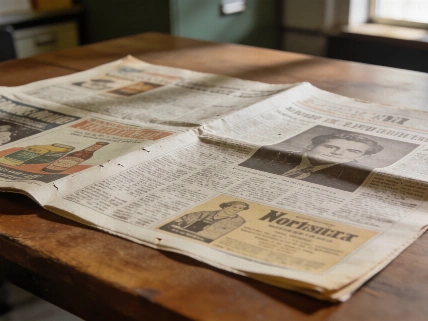
The New York Times is reviving seven historic ads in a new campaign, showing how brands and journalism have changed together over nearly two centuries.
A Boston Globe Magazine story about a Western Massachusetts lesbian bar’s mask rules brought in thousands of new subscribers in just three days, showing the pull of sharp local reporting.
When Hurricane Helene knocked out power and cell service in North Carolina, newsrooms were thrown into chaos. Now, a new site gives local outlets the tools and checklists they need to keep reporting during disasters.
A 103-year-old media group is turning to intellectual property and niche events to find new readers. Can this strategy keep journalism strong and help the business grow?
AI tools churn out news summaries in seconds, but mistakes and fakes are everywhere. Publishers now spend more on real reporting and verification to keep up.
For 48 hours, The Drum turns its London newsroom into a live, open editorial floor. Industry guests join meetings, stories go out instantly, and the agenda shifts with every debate.
AI content and shrinking budgets are putting real journalism at risk. This week, newsrooms in more than 100 countries are working together to show how facts are checked and why trust matters.
A flood of bot traffic forced News UK to rethink its defenses. With one in five visits coming from bots, the publisher now blocks 6 percent of all hits. Here’s how AI and scraping are changing the game.
AI companies now face strict demands from publishers who want fair value and control. The New York Times spells out its hard rules for any AI licensing deal.
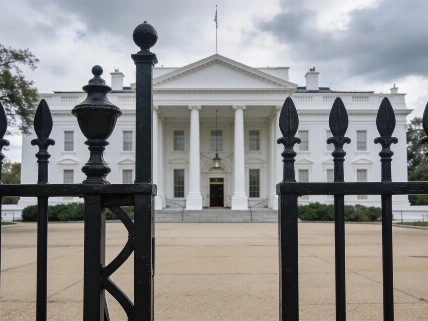
Donald Trump has barred CNN, MS NOW, and POLITICO from the White House, accusing them of false reporting. The move could soon hit other outlets as well.
A top UK publisher moved its entire site from .co.uk to .com in one night. News visibility fell from 1 to 2 percent to just 0.02 percent in two weeks. Months later, the site still hasn’t bounced back.
David Ellison will now run CNN after a last-minute antitrust settlement. The deal promises an 'independent editorial board,' but past takeovers show these boards rarely stop owners from stepping in.
A handful of climate reporters are breaking out of solo routines. Their pop up newsroom is a test run for reaching bigger audiences-and for changing how independents work together.
A new platform lets newsrooms create secure, community-driven chat rooms outside the reach of big tech. MUNI is designed to help publishers regain control and connect with readers in real time.
A broad coalition of news organizations is pressing Governor Newsom to sign a bill that would give local newsrooms a refundable tax credit for every journalist they employ. The outcome could decide the fate of journalism jobs across California.
Novelty can derail newsroom priorities. A Times deputy editor shares a four-step method to separate useful innovation from distracting tech and keep journalism on track.
AI is reshaping local newsrooms. Star News Group’s Paul Thomas wants advertisers to treat local journalism as social impact capital. Can new funding models save regional reporting?
USA Today’s new partnership with Palantir has sparked internal dissent, with journalists raising concerns about editorial independence and the company’s ties to a controversial data analytics firm.
AI-driven search is eroding publisher traffic. Google is testing direct payments for content used in Gemini and AI Overviews. Publishers are scrambling for new ways to monetize non-subscribers.
Subscriber growth outpaces print decline at Newsquest. Digital revenue jumps while staff cuts hit sales and editorial. BBC competition and AI adoption drive new strategies.
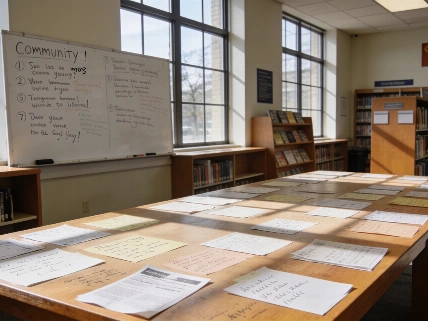
A new model for local news is taking shape inside public libraries. Community members are producing print bulletins and tackling neighborhood questions. The Library Newsroom Project is testing how far this approach can go.