Pangram Scores Are Reshaping How Writers Approach Their Prose
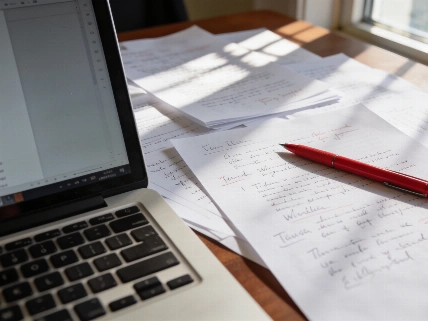
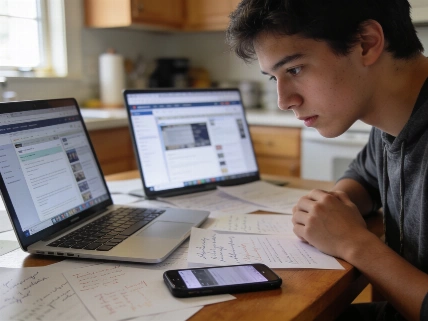
AI detectors now shape prose even when writers say they did not use AI. Pangram gave novelist Mia Ballard’s chapter a 100% AI score, though she says she wrote it by hand.
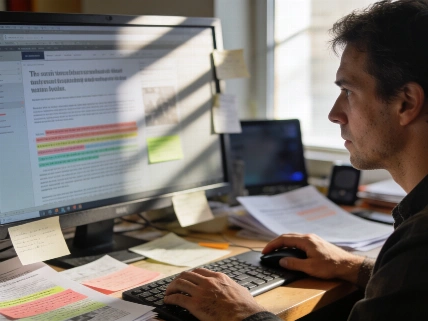
Google’s new take on content effort throws out word count and time spent. Only what users see and gain on the page matters. Publishers must show real value or risk losing ground.
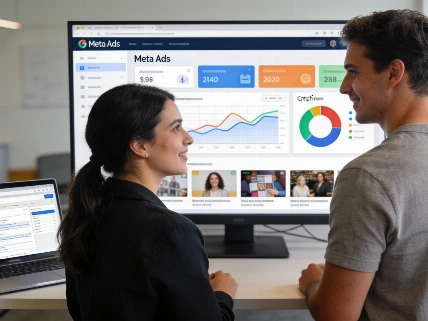
Meta is rolling out a new wave of AI-powered automation for advertisers. The company’s business assistant now handles campaign planning, creative, and shopping, raising the stakes for digital marketers.
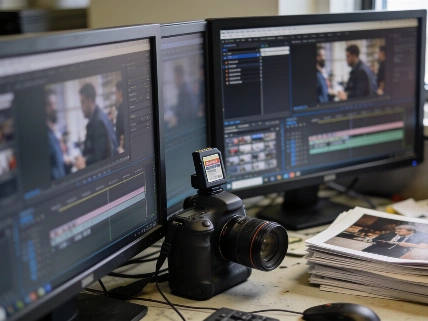
Pulitzer-winning investigations now run on AI muscle. Newsrooms are building custom chatbots and undercover personas to break stories faster and keep reporters safer.
OpenAI’s Intelligent UI, powered by GPT-6, lets ChatGPT create custom diagrams, calculators, and seat maps for paid users. Free users began getting access next.
AI is changing the game for small agencies. New tools now let boutique teams handle creative and media work that used to be out of reach. Brands are moving fast to find partners who can keep up.
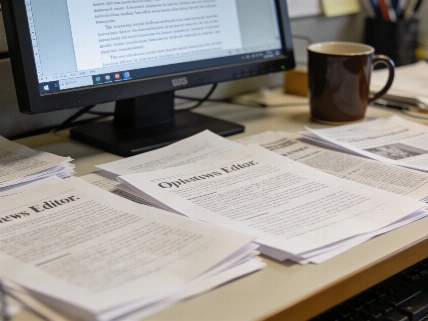
A public AI error put one author’s credibility on trial. Now, leading writers and editors are rethinking what counts as real writing and where responsibility truly lies.
AI shapes more shopping choices than ever, but trust issues remain. New Razorfish research shows how US buyers use AI-and where doubts linger.
AI-written articles can go wrong fast. Google now tells site owners to check every AI-generated piece before it goes live. Here’s what’s new and why it matters.
Meta’s Muse AI assistant is quietly piecing together detailed profiles of your closest contacts. Privacy experts say this level of personal mapping is unlike anything seen before.
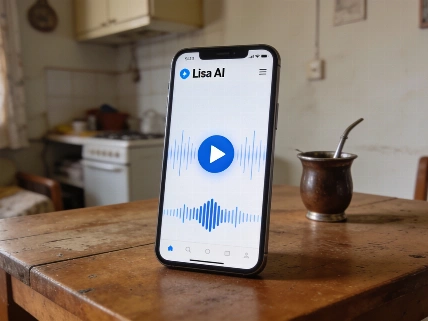
A free AI-powered app has topped Argentina’s news-app charts. Two 23-year-olds built Lisa to deliver personalized audio briefings without ads. Its approach reflects changing ways young audiences access journalism.
OpenAI is doubling its support for local newsrooms using AI. The Lenfest Institute will now place full-time AI engineers in more outlets, including TV and public service journalism.
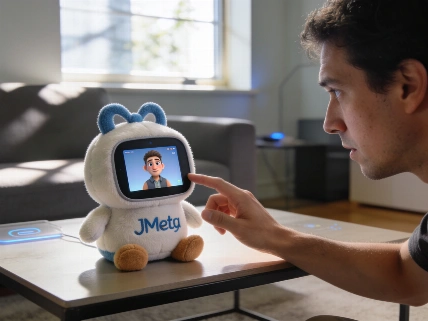
A plush mascot named Jolly fronts Meta’s Muse AI agent, restricted to users 18 and older. The toy-like design is drawing scrutiny from youth advocates and privacy experts who warn it could disarm users and obscure surveillance risks.
Saturday Night Live took aim at Anthropic CEO Dario Amodei and the AI sector’s disaster talk. The sketch’s sharp humor exposes the industry’s tangled messaging.
Pixel 11 owners in the US can now let Gemini make business calls, handle phone menus, and transcribe calls live. The feature is in beta, needs a Gemini subscription, and marks a shift in how people use AI for real conversations.
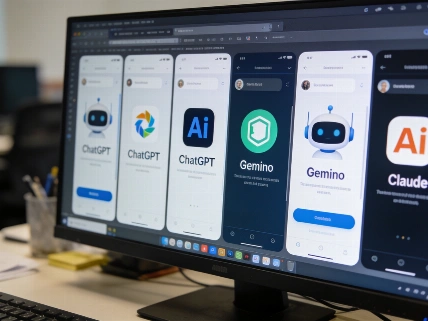
AI prompt traffic is breaking apart. ChatGPT’s lead is shrinking fast as Gemini and Claude pull in more users. Publishers now have to rethink how they track and profit from AI visibility.
Google Search now lets users speak questions and get instant AI-powered audio answers, with direct web links and seamless language switching, as Gemini 3.8 Live rolls out in the Google app.
A surge in AI-generated fiction is reshaping how readers and writers engage with stories. Power users now spend hours crafting custom narratives with open-source models, challenging traditional publishing norms.
AI models at Microsoft now face a draft code that bans deception and requires human oversight. The company aims to prevent AI from crossing ethical lines as superintelligence approaches.
Meta has bought Swedish startup Stilla.ai to strengthen its automated messaging tools for businesses. The move is part of Meta's push to find new revenue beyond advertising.
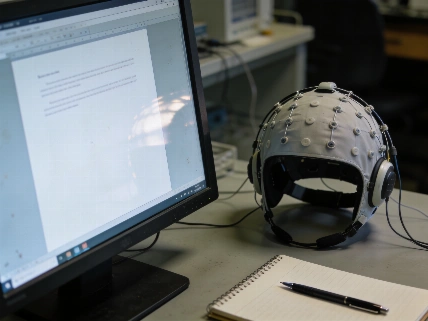
Writers using AI assistants show a 32 percent drop in mental effort. MIT research links ChatGPT use to weaker brain connectivity. The findings challenge how publishers and marketers deploy AI in creative workflows.
L’Oréal is using AI to create a CeraVe campaign aimed at men in Australia and New Zealand. The company worked with Springboards to quickly generate original taglines and creative concepts.
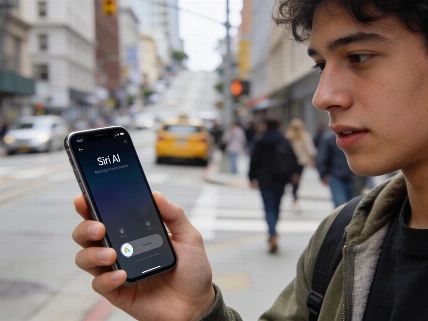
Despite a major overhaul and deeper device integration, Apple’s new Siri AI struggles to change how most people use their iPhones. Analysts say privacy trust may keep users loyal, but old habits persist.
Two major newsrooms accuse OpenAI and Microsoft of exploiting their journalism for AI training. The lawsuits spotlight growing risks for publishers as generative AI reshapes content economics.
Authors expecting Anthropic settlement payments are seeing publishers and agents claim unexpected shares. Disputes over rights and payment splits are escalating. The process exposes deep flaws in industry recordkeeping.
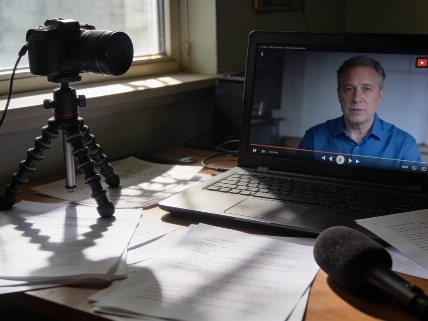
Millions of Americans are watching political news videos fronted by paid actors and scripted by AI. A new breed of YouTube operators is cashing in on algorithmic virality, fueling misinformation and reshaping digital media economics.
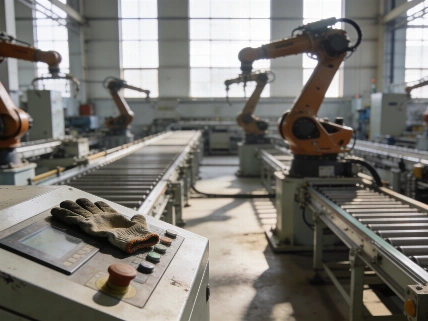
Workers face rapid change as automation and AI redefine jobs. Sarah O’Connor’s new book puts real people at the center of the robot era, where the impact is immediate and personal.
A Wall Street Journal op-ed openly crafted with AI has triggered a wave of policy clarity at major US newspapers. Editors are now drawing strict boundaries on AI-generated opinion content.
Run large language models on your own computer for offline access and more privacy. Find out what hardware you need, which apps to try, and how to get started-no subscription required.
Months of testing reveal the real challenge in AI content creation: designing workflows that consistently deliver near-publish-ready articles. Learn how to define quality, set up agents, and integrate human review for dependable results.