Despite a major overhaul and deeper device integration, Apple’s new Siri AI struggles to change how most people use their iPhones. Analysts say privacy trust may keep users loyal, but old habits persist.
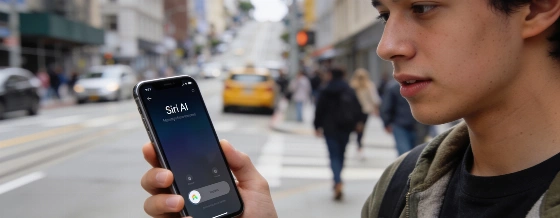
A month after Apple rolled out its revamped Siri AI, the excitement has faded. At first, Siri seemed ready to dig up old texts and photos with a single prompt. But even users who wanted to change their habits soon found themselves back to scrolling and typing by hand. The "everything tool" ended up feeling like another search bar, not the breakthrough Apple had promised.
The new Siri, built into the iOS 27 beta, comes with a redesigned chatbot interface and uses on-device data to give more relevant answers. Apple’s focus on privacy still sets it apart from competitors, and its data protection policies give many users a sense of security. Still, these upgrades haven’t changed how most people actually use their phones.
Early access to Siri AI is limited to English and requires an iPhone 15 Pro, 15 Pro Max, or newer, with broader language and device support planned for future updates.
Some early adopters, like Avi Greengart of Techsponential, say they’re using Siri more often and for more tasks. “With the latest beta software, I'm finding myself not only using it more, but for more things: Siri is now able to find information buried on my phone faster and more efficiently than any other method, its world knowledge is vastly better than before, and even dictation works better.” But for most people, the novelty wears off. Old routines-scrolling Instagram, searching Yelp, or just typing-are hard to break, no matter how smart the assistant gets.
Analysts don’t expect a mass exodus. Dipanjan Chatterjee at Forrester puts it plainly: “Will Siri bear the weight of criticism for not being as good as some of its peers? Sure. Will it make a difference to the vast installed base of iPhone users and cause them to look elsewhere? Not a chance.” Apple’s ecosystem and privacy reputation keep most users from switching, even as some power users try out alternatives like Anthropic’s Claude.
There’s another group: iPhone owners who avoid generative AI altogether, whether for ethical reasons or out of distrust. For them, Siri’s new features don’t matter-the AI label alone is enough to keep them away. On the other hand, some who were wary of AI because of privacy concerns are now willing to try Siri, as Ramon Llamas of IDC points out, thanks to Apple’s reputation for protecting user data.
Apple has tied Siri AI to its new generation of Apple Intelligence and Foundation Models, marking a fundamental re-architecture of the assistant rather than a simple update. This shift is intended to enable more conversational interactions, deeper personal context, and advanced system actions, as well as features like Visual Intelligence integration in the Camera app.
For creators and publishers, the takeaway is simple: even the smartest AI assistant can’t change user habits overnight. Smarter tools built into default apps might shift some workflows, but most people stick with what they know-unless the assistant offers something they can’t get elsewhere. Google’s move from Assistant to Gemini faces the same problem, as reported earlier, showing just how tough it is to change habits at scale.
Apple’s technical leap with Siri AI hasn’t led to a cultural one. The assistant is more capable and private, but for most users, it’s still in the background. The real test for AI in content creation and publishing will be whether these tools can become essential, not just available. For now, Siri AI’s moment in the spotlight looks brief-a summer experiment, not a permanent shift.
Apple, based in Cupertino, California, reported $383 billion in revenue for fiscal 2025, with iPhone sales making up more than half. The company now has over 1.5 billion active devices worldwide, and its services division-including Siri-continues to grow by double digits each year. Apple’s focus on privacy remains a key difference as it competes with Google, Microsoft, and Amazon in the AI assistant market.
According to AppleMagazin.eu, public and developer beta versions of iOS 27 introduced a waitlist for Siri AI, with Apple rolling out features in phases and some users waiting for access. As Zaikei Shimbun reports, Siri AI won’t be available in the EU at launch because of pending regulatory approval under the Digital Markets Act, and Apple hasn’t promised a full public release before the end of 2026.