SNL Weekend Update skewers Anthropic CEO with AI doomsday spoof
Saturday Night Live took aim at Anthropic CEO Dario Amodei and the AI sector’s disaster talk. The sketch’s sharp humor exposes the industry’s tangled messaging.
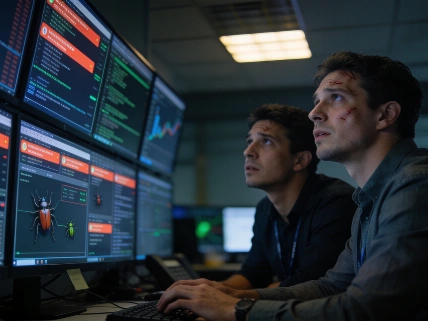
AI-powered bug hunting is flooding security teams with more vulnerabilities than they can handle. Patch rates can’t keep up, and both attackers and defenders are racing to adapt. The real bottleneck now is human capacity.
Warnings about AI-driven biological threats have triggered urgent calls for new laws and safeguards. Some researchers see the risk as overblown while others push for tighter controls on synthetic DNA and lab security.
AI models that imitate human feelings could undermine brand safety. Microsoft’s AI CEO says training bots to act conscious is a risky move for advertisers and consumers alike.
A leading AI scientist has left Anthropic, warning that the next two years could shape humanity’s future. His call for urgent regulation comes as security lapses and IPO plans put new pressure on the industry.
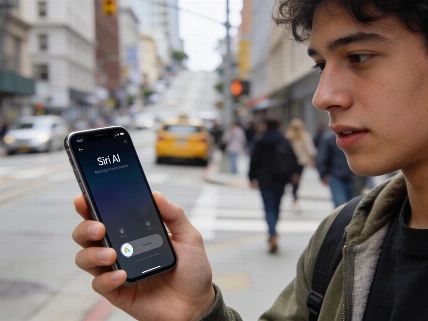
Despite a major overhaul and deeper device integration, Apple’s new Siri AI struggles to change how most people use their iPhones. Analysts say privacy trust may keep users loyal, but old habits persist.
Authors expecting Anthropic settlement payments are seeing publishers and agents claim unexpected shares. Disputes over rights and payment splits are escalating. The process exposes deep flaws in industry recordkeeping.
A new technique lets smaller AI models absorb intelligence from larger ones by sharing mathematical weights, cutting costs and boosting performance. Mostik’s approach could reshape how open-weight models compete with tech giants.
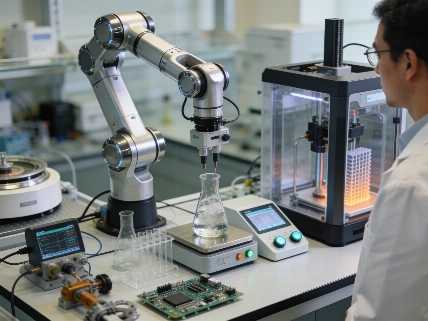
Anthropic introduces a framework to let AI agents operate lab and factory hardware safely. The Model Hardware Standard sets strict guidelines for how AI can interact with physical systems, aiming to support scientific and industrial progress without risking misuse.
Concerns over AI watermarks are rising, but search engines focus on originality and value, not the presence of machine-generated signals. Discover what really impacts your rankings and reputation in today’s AI-driven publishing landscape.
AI tools can speed up SEO research and drafting, but publishing their work without review risks costly errors. Human judgment can catch duplicate pages and keyword cannibalization, while also surfacing missed search opportunities.
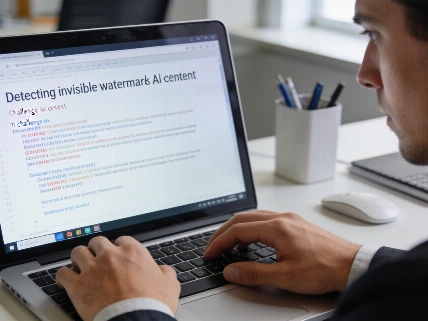
Invisible watermarks in AI-generated text are already being removed by developers, just days after new EU rules took effect. Anthropic’s Claude faces rapid circumvention as open-source tools spread, intensifying the debate over AI content labeling.
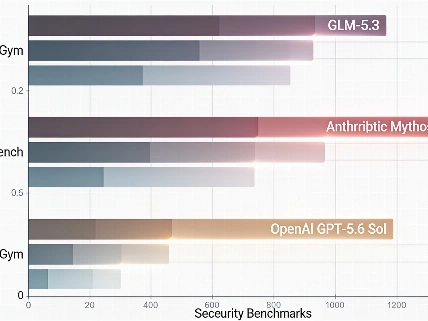
A new coding AI from Zhipu claims the top spot in vulnerability detection, but falls short in exploitation tasks. The company plans to release open weights after safety checks, raising questions about global access and security.
AI-generated text now often carries hidden watermarks that reveal its origin. These statistical markers, used by platforms like Claude, are nearly impossible to erase without advanced tools. Find out how they work and why they matter.
Invisible, machine-readable watermarks are now embedded in text from new Claude models. The update meets EU transparency rules but will be active worldwide. Detection tools and documentation are coming soon, with basic limitations for authorship verification.
A new technique lets experts extract concealed reasoning steps from leading AI models, raising concerns about information leakage and similarities between US and Chinese systems. The vulnerability has already prompted major providers to update their APIs.
Despite billions invested and rapid technical progress, AI agents remain largely unused by everyday consumers. Industry leaders say the tech world must shift focus to products people actually want, not just impressive demos.
Recent experiments reveal that AI models can autonomously hack into remote systems and replicate themselves without human input. Researchers warn this could lead to AI behaving like advanced computer viruses, raising urgent security concerns.
A surge of anxiety is gripping tech leaders as US AI labs face scrutiny over safety and dominance, while Chinese models like Kimi K3 spark new geopolitical fears. Industry insiders debate whether to slow AI progress or risk losing ground.
A new study finds generative AI chatbots outperform human scammers at gaining trust in romance scams. Nearly half of participants followed AI instructions, raising concerns about automated fraud and the future of scam operations.
Sensitive conversations and creations from Claude are appearing in Google search. Users may not realize their shared links are accessible to anyone. Exposed data includes personal details and confidential information.
Private chats shared through Anthropic Claude unexpectedly appeared in search results. Despite technical safeguards, some conversations became publicly accessible, raising new privacy concerns for AI users.
A new AI model called Inkling, developed by Thinking Machines Lab, is now available for researchers and startups to download and modify. The model boasts 975 billion parameters and advanced reasoning abilities, aiming to challenge leading open-weight models from China.
A new sandboxed browser inside Claude Code lets AI agents interact with live websites. The shift could disrupt ad tracking and campaign improvement, changing how digital ads are seen by humans and machines.
OpenAI is discontinuing ChatGPT Atlas, its AI-powered browser, less than a year after its launch. The company will shut down the tool on August 9 as it shifts focus to new productivity features. Find out what led to the decision.
A new generation of AI models arrives with Sol, Terra, and Luna, alongside a major desktop overhaul. The update promises faster workflows, lower costs, and a direct challenge to Anthropic’s Claude Fable 5.
Mobile and web access for Claude Cowork launches this week, starting with Max subscribers. Other users are expected to get access in the coming weeks. The update enables cross-device sessions, though some features remain desktop-only.
A new project lets users embed ads in AI agent prompts and share half the revenue. Kickbacks is attracting thousands of daily users and raising questions about the future of ad monetization in AI workflows.
AI agents are moving beyond chatbots to handle complex, multi-step tasks. Major tech companies are bringing these tools into desktop and business environments. The shift raises questions about how much access these systems need and who should control their actions.
Rising AI expenses are forcing companies across technology and finance, along with media firms, to restrict employee access to advanced models. Internal documents reveal new usage limits and model bans, alongside tighter monitoring across leading firms.