A new generation of AI models arrives with Sol, Terra, and Luna, plus a major desktop overhaul. The update promises faster workflows, lower costs, and a direct challenge to Anthropic’s Claude Fable 5.
OpenAI has introduced its GPT-5.6 lineup, unveiling three distinct models-Sol, Terra, and Luna-alongside a significant shift toward a consolidated desktop experience. The flagship Sol model nearly matches Anthropic’s Claude Fable 5 on the Artificial Analysis Intelligence Index (59 versus 59.9), but at about one-third the cost per task. Sol also leads the Coding Agent Index with 80 points, outperforming Fable 5 on software engineering benchmarks such as Terminal-Bench 2.1, where it achieved a 91.9% score. Pricing for Sol is set at $5 per million input tokens and $30 per million output tokens, while Terra and Luna are priced at $2.50/$15 and $1/$6 respectively, undercutting comparable Anthropic offerings.
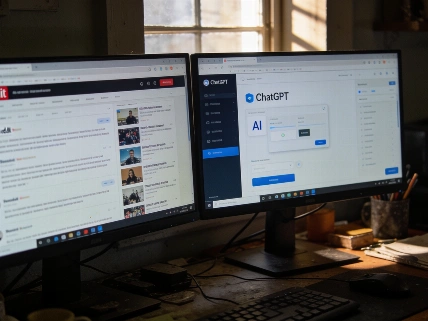
The release introduces two new reasoning modes: Max mode, which dedicates extra compute to complex problems, and Ultra mode, which coordinates four agents in parallel for demanding workflows. OpenAI is also merging the Codex app into a redesigned ChatGPT desktop application, creating a unified interface with integrated browser and computer control features. This move, led by Applications Chief Fidji Simo, addresses internal concerns about product fragmentation that reportedly slowed development and impacted quality, according to internal communications cited by The Wall Street Journal.
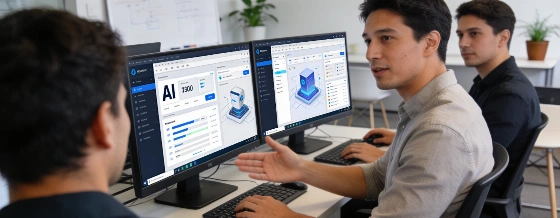
With this update, OpenAI brings its “agentic” AI vision-autonomous systems capable of performing tasks directly on users’ computers-closer to everyday use. The company is positioning ChatGPT Work as a direct competitor to Anthropic’s Claude Cowork, combining ChatGPT with Codex’s engine to enable users to delegate multi-step workflows, such as creating documents, presentations, and websites, across connected apps like Slack, Google Drive, and Microsoft 365. OpenAI reports that nearly all internal teams now use ChatGPT Work, with finance teams reducing month-end close from days to hours in early testing.
The public rollout of GPT-5.6 was delayed after the Trump administration requested early access due to cybersecurity concerns. OpenAI complied with a limited preview for government-approved partners before receiving clearance for broader release. In a blog post, OpenAI expressed reservations about this level of oversight, stating, “We don’t believe this kind of government access process should become the long-term default,” and warning that it could keep the best tools from users who need them. The company added, “We are taking this short-term step because we believe it is the strongest path to broader availability in the coming weeks.”
The launch underscores the tension between rapid AI innovation and regulatory scrutiny, as OpenAI’s agentic systems gain the ability to access sensitive data across multiple platforms while the company resists expanded government oversight.
Founded in 2015, OpenAI has grown into one of the world’s leading AI research and deployment companies. As of 2026, the company employs over 1,200 people and has raised more than $11 billion in funding. Its ChatGPT platform reportedly surpassed 180 million users worldwide in early 2026, reflecting its rapid adoption across both consumer and enterprise markets.