
Content Optimization
134 articlesArticles become more useful when they combine keyword research examples, buyer guides, data stories, traffic-drop analysis and outage reports. A release, for instance, should lead into practical implications, while a review should connect features to real constraints.
Links toward Surfer search visibility, Clearscope, MarketMuse, Frase make the archive more useful for research. A visitor can compare options, check alternatives and follow the practical consequences of product changes.

AI Workflows Are Quietly Consuming Your Marketing Team
Marketers are spending record hours building and fixing AI tools that rarely appear on dashboards. New research shows promised productivity gains often vanish as teams trade real output for invisible maintenance.
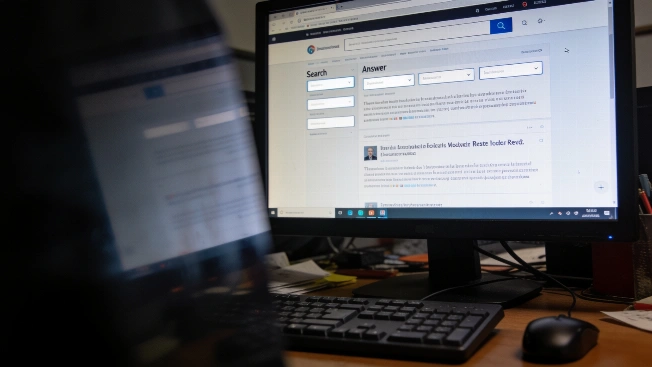
AI Search Tactics Face Backlash as Brands Chase Answer Engine Visibility
Brands are flooding AI search with new tactics to boost visibility. Some strategies are already backfiring. Here is what actually works and what is getting penalized.

Search Intent Now Outranks Backlinks in Google’s Algorithm
SEO experts say matching search intent is now the top factor for Google rankings. Backlinks remain important, but original research and user satisfaction are gaining ground. AI-generated content still faces skepticism.

Manual Spam Actions Hit Publishers as Google Update Ends
Traffic and revenue for established sites plummeted after Google’s August 2026 spam update. Manual penalties are compounding the fallout. Here’s what publishers must do to avoid deeper losses and why quick fixes often backfire.

Scaling Programmatic SEO Hinges on Proving the Template
Launching thousands of SEO pages without proof risks wasted effort and weak results. A small pilot can reveal if your template attracts the right queries and drives real business outcomes before you commit to mass production.

AI Governance Fails Expose SEO Teams to Data and Credibility Risks
SEO teams are making high-stakes mistakes with AI tools, risking client data and publishing hallucinated metrics. Learn the practical framework that stops AI from turning routine tasks into brand-damaging incidents.

AI Writing Tools Slash Brain Engagement in Content Creation
Writers using AI assistants show a 32 percent drop in mental effort. MIT research links ChatGPT use to weaker brain connectivity. The findings challenge how publishers and marketers deploy AI in creative workflows.

Five Steps to SEO Success Revealed in Live Webinar
A practical SEO roadmap will be unveiled on September 16 at 19:00 MSK. Dmitriy Shakhov promises actionable steps for business owners and marketers. Registration is open for those ready to move beyond scattered tactics.

SEO Budgets Face Hard Choices as AI Disrupts Search
Two thirds of Google searches now end without a click. AI summaries are slashing organic traffic and upending old SEO playbooks. Here’s how to defend your budget and prove value as search behavior shifts in 2027.

Search Budgets Leak Away When SEO and PPC Refuse to Collaborate
Brands are burning cash on paid clicks for keywords they already own organically. When SEO and PPC teams operate in silos, both miss out on critical data that could drive smarter strategy and higher ROI. Here’s how to fix it.
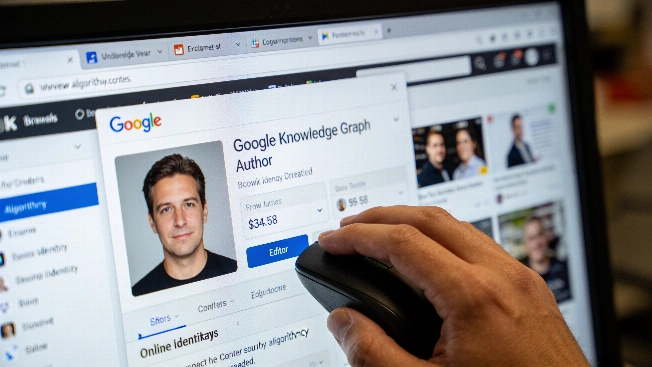
Why Google’s Knowledge Graph Now Judges Every Author
Invisible profiles are shaping your site’s fate. Google’s Knowledge Graph quietly builds an entity for every author-real or fake-using articles, social profiles, and third-party mentions. Here’s how this impacts your E-E-A-T and site visibility.

SEO’s New Reality: Winning When AI Owns the Click
AI Overviews, chatbots, and community platforms now shape who gets seen-and who gets ignored. Traffic is shifting, but conversions and brand trust are up for grabs. Here’s what creators must do to stay visible in 2027.
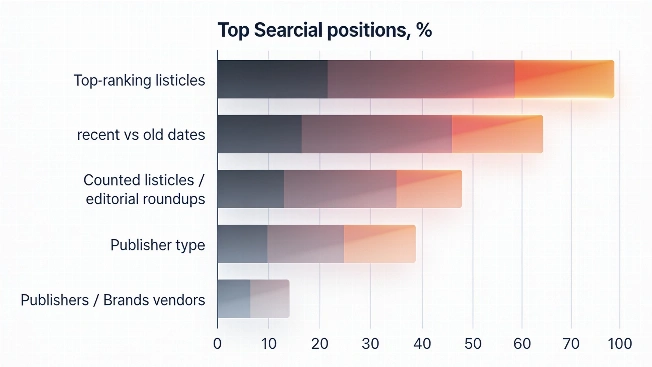
Freshness and Numbers: The Real Drivers of Listicle Rankings
A review of 3,000 listicles shows that recent publication dates and clear item counts are the main factors for ranking high in Google and AI-powered search. Publishers still lead, but the landscape is changing quickly.

ProPublica Expands to California, Accelerating Local News Push
ProPublica is launching a new investigative hub in California, marking a major step in its national expansion. The move signals a deeper commitment to local journalism and new opportunities for regional reporting partnerships.

AI Forces Publishers to Rethink Evergreen Content Strategy
Publishers face declining click-through rates as AI platforms reshape the value of evergreen content. Industry experts reveal why brand authority and engagement now matter more than raw traffic, and what publishers must change to stay relevant.

AI Search Prompts Now Define Your Sales Funnel Visibility
Brands are losing buyers earlier in the funnel as AI search reshapes how prospects discover, compare, and select solutions. Learn how prompt mapping exposes where your company appears-or vanishes-across each stage of the buyer journey.

Google Tests AI Overviews Without Expand Button
Google is piloting a new AI-powered search interface that removes the 'Expand' button and introduces a direct question field. Early tests show users find answers faster and engage more. Publishers and SEOs should monitor for changes in traffic and visibility.

Reddit Authority Now Drives Google and ChatGPT Results
Brands are seeing real gains in Google and AI search by building credibility on Reddit. A five-step framework reveals how community engagement, content upgrades, and transparent participation can boost visibility and trust-without relying on shortcuts.

How to Use Reddit Data for Smarter SEO Content
Millions of search queries now surface Reddit threads, revealing what audiences want but brands often miss. Learn how to mine Reddit’s rankings with Semrush to uncover content gaps and boost your search visibility.

Build a Reliable AI Content Workflow From Scratch
Months of testing reveal the real challenge in AI content creation: designing workflows that consistently deliver near-publish-ready articles. Learn how to define quality, set up agents, and integrate human review for dependable results.

Why AI Watermarks Won’t Decide Your Content’s Fate
Concerns over AI watermarks are rising, but search engines focus on originality and value, not the presence of machine-generated signals. Discover what really impacts your rankings and reputation in today’s AI-driven publishing landscape.

Why AI Like Claude Needs Human Oversight in SEO
AI tools can speed up SEO research and drafting, but letting them publish content without review risks costly errors. Discover how human judgment prevents duplicate pages, keyword cannibalization, and missed search opportunities.

Transform Your SEO Backlog Into a Strategic Roadmap
Many SEO teams confuse backlogs with roadmaps, risking wasted effort and missed business goals. Learn how to prioritize, sequence, and measure SEO initiatives for real impact using the SCOPE framework.

Why AI Brand Visibility Demands More Than SEO Tactics
AI-driven search is changing how brands are discovered and recommended. Technical SEO alone no longer guarantees a spot in AI recommendations. Cross-team action is now essential for brands aiming to win in the AI era.
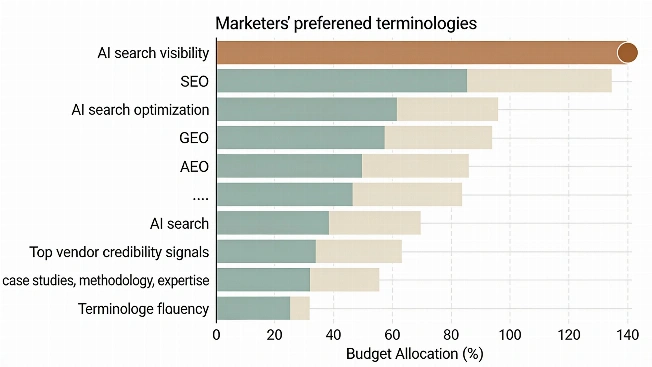
Marketers Fund AI Search but Still Call It SEO
Most marketing teams are investing in AI search visibility, yet 81% still use the term SEO for these efforts. New research reveals how budgets are shifting, what language buyers trust, and why clear results matter more than buzzwords.

How to Prioritize Content That Survives AI Search Answers
AI search is changing what content drives value. Learn which types of pages still attract clicks, citations, and business results-and which to deprioritize.
ChatGPT Moves to Block Spam With site: Query Update
A new update in ChatGPT targets spam by limiting the effectiveness of site: operator queries. Experts say this could undermine micro-site strategies and may influence other AI assistants to follow suit.

SEO and AI: Why Structured Content Still Drives Visibility
AI is changing how search works, but core SEO principles remain. Katharina Vogt explains why structure, trust, and real experience matter more than ever. Companies relying only on AI-generated content risk losing visibility.
Google Rolls Out AI Mode Link Carousels for News Searches
A new feature in AI Mode now highlights relevant news articles at the top of trending search results. Publishers gain more visibility, while users can quickly access original sources and diverse perspectives. The update is live in AI Mode and AI Overviews.

Why SEO Success Now Depends on What Happens After the Click
Organic search is evolving as AI changes user behavior. Traffic alone no longer guarantees results. Discover why optimizing for conversions after the click is now essential for SEO teams and digital marketers.
Page 1 by 5