Why Comparison Content Still Earns a Place in SEO
A small brand can gain exposure by appearing in a video comparing established competitors. Adam Riemer says reader-focused comparisons and roundups can also build trust and attract an audience.


AI-generated summaries are changing how customers find information. For online stores, durable SEO work remains clear: publish experience-backed answers and keep the technical basics in order.
The complimentary review checks technical issues across buyer-facing pages and identifies searches where a builder ranks near page one. Findings include prioritized fixes and a one-on-one review of next steps.
Google says SDF has been running in Discover for two years, removing stale pages before ranking and cutting user complaints by 54.9%. Its two filters assess supersession and fading relevance.
A consultant promising top Google rankings is selling certainty Google says it cannot offer. Before signing, Chicago businesses should check relevant experience and reporting plans, then confirm account ownership.
Click Intelligence is adding AI-focused link building and audits to its SEO offer. The Cheltenham agency says the work aims to help brands appear across AI-powered search.
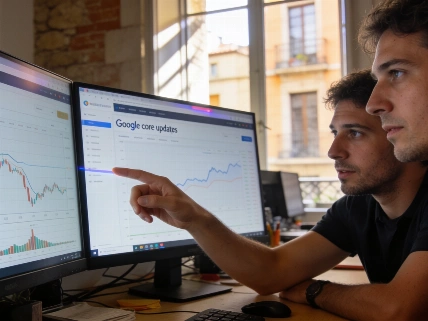
Months can pass before a site recovers from a Google core update-if it recovers at all. Internal quality signals now decide which publishers claw back traffic and which vanish. The four pillars of content quality are measurable, and the recovery clock is unforgiving.
Google’s new take on content effort throws out word count and time spent. Only what users see and gain on the page matters. Publishers must show real value or risk losing ground.
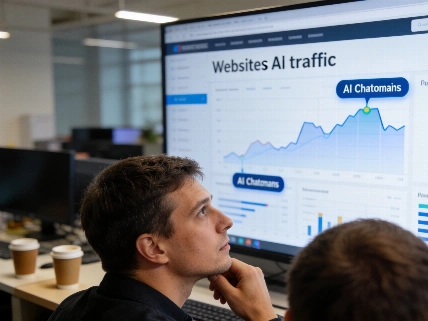
AI chatbots now send only a trickle of visitors to news sites, and the numbers rarely add up. Publishers need to rethink analytics, content, and access if they want to get real value from this new channel.
Digital publishers are under new pressure. As Google traffic drops and every click counts, those without a real edge are being left behind.
AI is changing the game for small agencies. New tools now let boutique teams handle creative and media work that used to be out of reach. Brands are moving fast to find partners who can keep up.
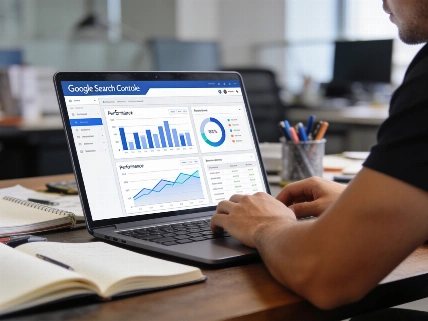
AI-driven features and social platform tracking are transforming how publishers use Google Search Console. Discover the latest updates, new data limitations, and what these changes mean for content creators and newsroom leaders.
AI agents are about to handle $100 billion in online sales in just a year. Retailers and marketers now face a world where bots, not people, decide what gets bought.
Google now penalizes sites for fake author profiles. The company has updated its guidance to target invented credentials and clarify what counts as basic content.
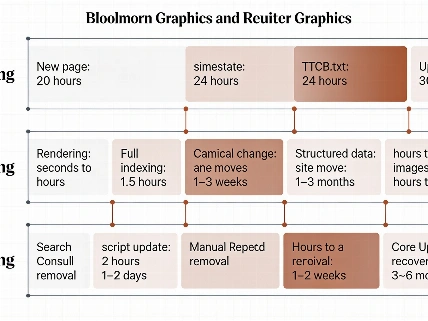
Google has published hard numbers on how long it takes for new and updated pages to get crawled, indexed, and shown in search. SEOs and publishers now see the real delays behind site discovery and ranking.
Manual review is now essential for any AI generated content. Google’s new Search guidelines require publishers to verify accuracy and label AI outputs before publishing.
AI-written articles can go wrong fast. Google now tells site owners to check every AI-generated piece before it goes live. Here’s what’s new and why it matters.
AI is changing how people find content. Jamie Samuel of Future says publishers must shake up their own models or risk being pushed aside by agentic media buying and broken attribution.
AI search now favors publishers who own their topics, not those chasing random keywords. Here’s why entity SEO is now essential for newsrooms and how it protects brands from algorithm hits.
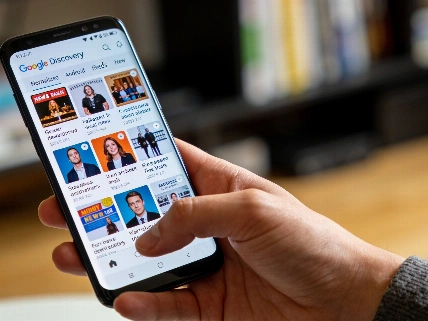
Millions get stories on their phones without searching. Google Discover’s algorithm quietly decides what appears and what disappears. The process is complex and mostly hidden. Here’s what really happens.
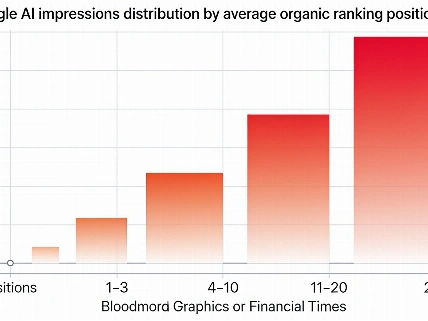
High organic rankings alone won’t put your pages in Google’s AI Overviews or AI Mode. New Search Console data shows brand reputation and content usefulness matter more.
Discover’s traffic is a rollercoaster-big surges, then nothing. Publishers hoping for steady growth get a wake-up call as Google’s feed lifts mass-appeal stories and leaves B2B projects in the dust.
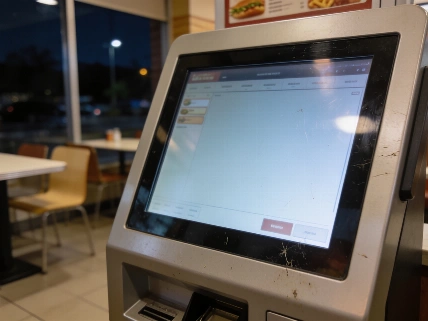
AI now decides which restaurants get found. A new study shows most quick service spots are invisible in AI recommendations, even if they show up on Google.
Google’s new pay-per-value pilot offers direct payments for AI use of publisher content, but many in the industry see more risk than relief.
Giant notes on a Salford estate and a wild fountain on London’s South Bank are Channel 4’s latest moves to get people talking. Katie Jackson explains why sparking conversation now drives the network’s marketing.
AI can spit out a search plan in seconds, but it misses what actually works. This October at Skolkovo, SEO heads at Ozon and Wildberries, along with T-Bank, will share tactics and results neural networks never see.
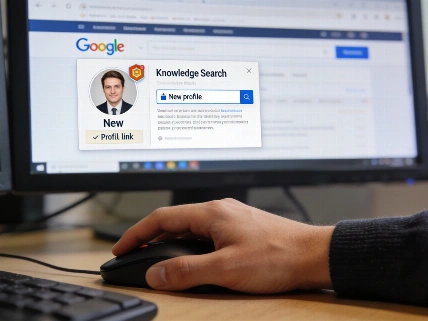
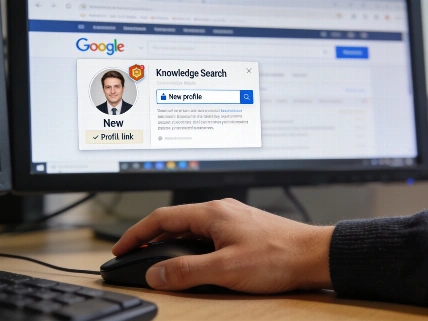
Google now shows links to search profiles in knowledge panels. Publishers can add profile badges and manage profiles after verifying ownership, though some features are still limited to certain regions.
European users are spotting a new ecosystem carousel beneath Google’s search widgets. This feature highlights rival sites for weather, stocks, sports, and translation queries, reflecting regulatory demands for fairer competition.
A surge in AI-generated fiction is reshaping how readers and writers engage with stories. Power users now spend hours crafting custom narratives with open-source models, challenging traditional publishing norms.
Two recent GEO experiments show that getting mentioned on the right external sites matters more for AI search than publishing on your own. The findings reveal which tactics actually earn citations and move the needle for brands.