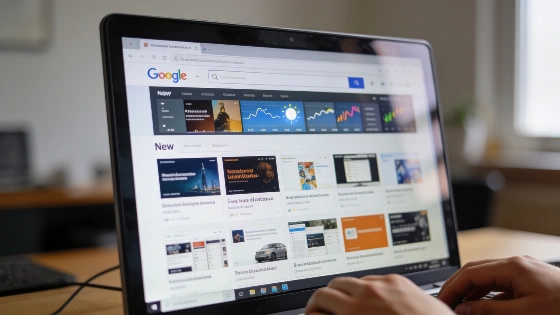
Google’s search results in Europe have changed overnight, and not by the company’s own initiative. Across several countries, users now see a new ecosystem carousel just below the main widgets for weather, stock prices, sports scores, and translation. This strip highlights alternative sites on the same topics, giving competitors a level of visibility they rarely had before.
On July 23, 2026, the European Commission fined Google €460 million for favoring its own services in search results, giving the company 60 days to address violations.
For publishers and digital media companies, the impact is immediate. The carousel appears on high-traffic searches-weather, finance, live sports, and translation-where Google’s own widgets have typically dominated the top of the page. Now, third-party sites can compete for that prime spot, which could mean more referral traffic and new ways to earn revenue.
According to Google’s documentation, eligible sites are chosen based on how relevant they are to the query and whether they meet certain technical standards. The feature is currently limited to Europe, reflecting the region’s tougher regulatory approach. It follows other recent changes aimed at curbing Google’s market dominance, such as more transparent ranking and new category filters, as reported by Reuters.
According to Google’s regional documentation, the ecosystem carousel is an EEA-only feature and does not require new markup or special feeds from participating sites. The carousel is already live for weather, sports, finance, and translation queries on both desktop and mobile platforms as of mid-September 2026.
Google’s move is a concession to regulators, not a shift in strategy. The company is giving up just enough ground to meet antitrust demands, but still controls which sites appear and what technical standards apply. For publishers, the message is clear: move quickly, make sure your site meets the requirements, and focus on queries where the carousel appears if you want to regain some audience from Google’s own widgets. This isn’t a major overhaul of search, but it does open a brief window for independent sites to get noticed-one that may close quickly for those who don’t adapt.
Google, part of Alphabet Inc., remains the leading search engine in Europe, with over 90% market share in 2025 according to StatCounter. Last year, its search and advertising businesses brought in more than $200 billion worldwide. Since the Digital Markets Act took effect, EU regulators have increased scrutiny, and Google now faces several investigations and compliance deadlines across its products.