
Technical SEO & Crawlers
77 articlesA durable tag archive can connect buyer guides, data stories, workflow examples, ad-yield explainers and content refreshes. That makes the material useful for both quick checks and slower research into the product’s place in the market.
Adjacent names such as Screaming Frog search visibility Spider, Sitebulb, JetOctopus, Lumar keep the topic grounded in the wider market. They help explain whether a change is specific to one vendor or part of a larger shift.

AI audio takes hold as robots.txt becomes a publisher's bargaining chip
AI-narrated audio now reaches a fifth of some publishers' audiences. Robots.txt files are turning into strategic tools. Gen Z engagement and new approaches to sponsored content are changing how media companies make money.

Search Intent Now Outranks Backlinks in Google’s Algorithm
SEO experts say matching search intent is now the top factor for Google rankings. Backlinks remain important, but original research and user satisfaction are gaining ground. AI-generated content still faces skepticism.

Manual Spam Actions Hit Publishers as Google Update Ends
Traffic and revenue for established sites plummeted after Google’s August 2026 spam update. Manual penalties are compounding the fallout. Here’s what publishers must do to avoid deeper losses and why quick fixes often backfire.

Scaling Programmatic SEO Hinges on Proving the Template
Launching thousands of SEO pages without proof risks wasted effort and weak results. A small pilot can reveal if your template attracts the right queries and drives real business outcomes before you commit to mass production.

Google overhauls European search to comply with EU rules
Travel and restaurant search in Europe faces a major shakeup as Google revamps its results to meet strict EU antitrust demands. Aggregators like Booking and Expedia are set to benefit while Google warns of lower quality for users.

Five Steps to SEO Success Revealed in Live Webinar
A practical SEO roadmap will be unveiled on September 16 at 19:00 MSK. Dmitriy Shakhov promises actionable steps for business owners and marketers. Registration is open for those ready to move beyond scattered tactics.

AI Bots Now Account for 13% of All Web Traffic
AI-powered bots are flooding publisher sites, driving up costs and siphoning audiences. New data reveals a 62.5% surge in bot-driven sessions, with AmazonBot leading the pack.

Why Google’s Knowledge Graph Now Judges Every Author
Invisible profiles are shaping your site’s fate. Google’s Knowledge Graph quietly builds an entity for every author-real or fake-using articles, social profiles, and third-party mentions. Here’s how this impacts your E-E-A-T and site visibility.

Google Introduces Click-to-Proceed Barrier, Disrupting Search Scraping
Google Search now blocks automated scraping by requiring a manual button click before showing results. The change disrupts SEO tools and data extraction, affecting publishers and AI-driven content teams.
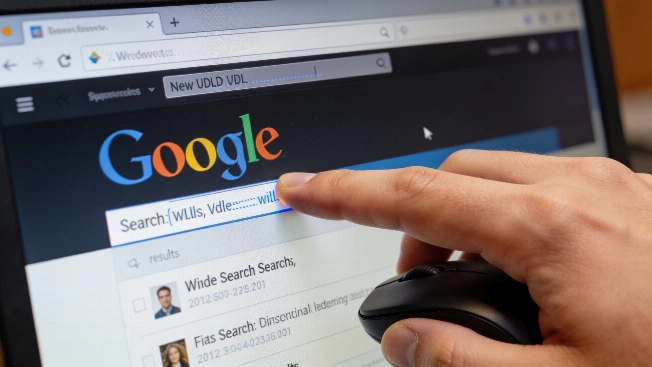
Google Adds Goto Redirects to Search Result Links
A new redirect system is now live in Google Search, changing how result links work. The update aims to block scraping and protect users. Third-party SEO tools may see disruptions as the rollout reaches nearly all users.

Transform Your SEO Backlog Into a Strategic Roadmap
Many SEO teams confuse backlogs with roadmaps, risking wasted effort and missed business goals. Learn how to prioritize, sequence, and measure SEO initiatives for real impact using the SCOPE framework.

Why AI Brand Visibility Demands More Than SEO Tactics
AI-driven search is changing how brands are discovered and recommended. Technical SEO alone no longer guarantees a spot in AI recommendations. Cross-team action is now essential for brands aiming to win in the AI era.

USA Today Co. Experiments With AI-Optimized Content Formats
Major publishers are testing new ways to make their content more accessible to AI bots. USA Today Co. is reformatting articles to boost licensing deals and improve discoverability. The company is also tracking which bots access its site.

AI Bots Ramp Up Content Scraping, Publishers See Less Traffic
Automated AI bots are extracting more content from publisher sites. New data shows European publishers face higher scraping rates. Referral traffic from AI systems remains minimal.

Google Confirms Bug Causing Favicons to Disappear in Search
Favicons have vanished from many Google Search results this week, with Google acknowledging a technical issue on its end. Some sites are already seeing fixes, but others remain affected. The company says a resolution is underway.

4 Technical SEO Essentials for AI Search Visibility
AI-driven search platforms are changing how websites are discovered and cited. Outdated technical SEO can leave your content invisible to AI systems. Learn the four critical steps to ensure your pages are accessible, understood, and referenced by modern AI crawlers.

Cloudflare Blocks AI Bots, Boosts Publisher Licensing Revenue
Publishers are seeing new revenue as AI crawlers face stricter blocks. Cloudflare’s default bot restrictions are changing how content is licensed and monetized. Pay-per-use models and new tracking tools are reshaping negotiations.
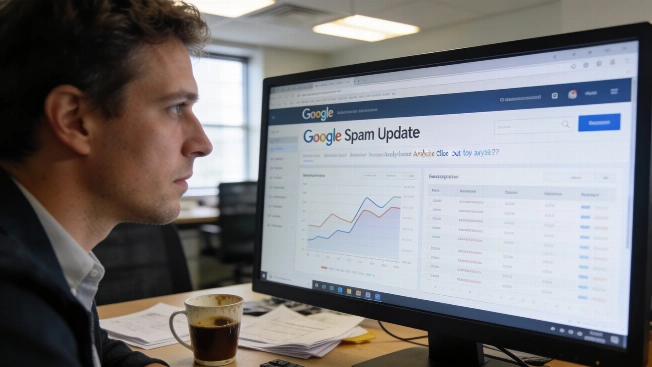
Google Rolls Out August 2026 Global Spam Update
A new spam update is being deployed worldwide, impacting all languages. The rollout will take several days to complete. This marks the third such update from Google in 2026, raising fresh concerns for site owners.

Google Ranking Factors Revealed in Antitrust Case Evidence
Court documents shed light on the three main groups of ranking factors Google uses to determine search visibility. The findings highlight the importance of topical relevance, user click data, and site quality. SEO professionals are urged to focus on these core areas for maximum impact.

Why AI-Built Tools Need Proof They Actually Work
AI can deliver prototypes in minutes, but unchecked speed risks missing features and faulty logic. Learn why verifying shipped code and SEO fixes is now essential for agencies and brands.

US and UK Move to Expose Stealth Bots Threatening Publishers
Bot traffic now surpasses human visits online. New US and UK bills target stealth bots that scrape content and disrupt publishers. Industry leaders urge global action to restore transparency.
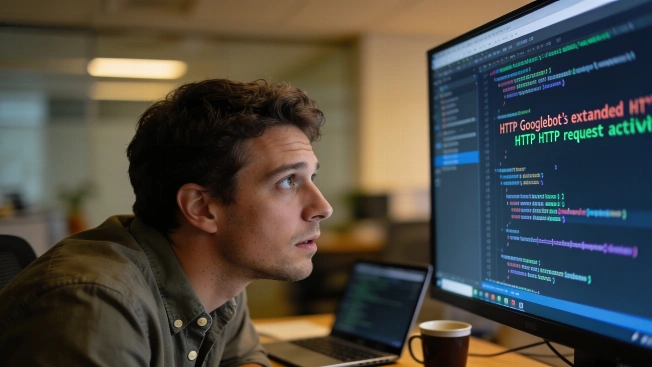
Googlebot Now Sends More Than Just GET and POST Requests
Less than 1.5% of Googlebot’s site requests use HTTP methods like HEAD, OPTIONS, PUT, PATCH, or DELETE. This rare activity is triggered by JavaScript functions during page rendering, according to Gary Illyes.

US Lawmakers Push Bill to Expose AI Stealth Crawlers
A bipartisan House bill would force AI bots to reveal themselves when scraping websites. Publishers could see fines imposed for violations. The move aims to protect original content and revenue.

Google Confirms AI Mode Queries Now Count in GSC Performance
Follow-up questions in AI Mode are now tracked as separate queries in Google Search Console’s Performance report. This change impacts how impressions, positions, and clicks are recorded for site owners. John Mueller confirmed the update.
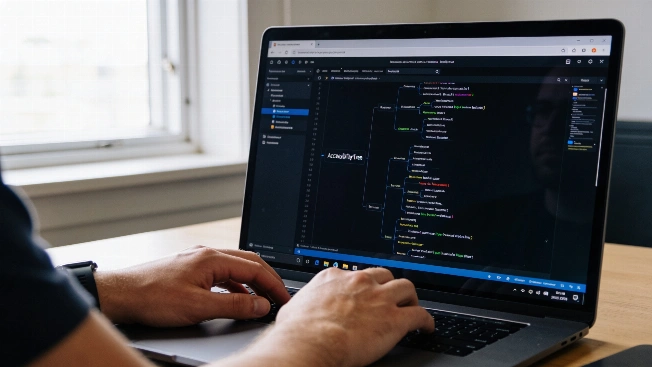
10 Ways to Audit Your Accessibility Tree for AI Search
AI agents now read your website’s accessibility tree, not just the HTML. Learn how to uncover hidden rendering issues, improve site structure, and remove obstacles that block AI understanding. See why accessibility audits matter for SEO in 2026.

People Inc. Holds Off on Blocking Google AI Crawlers
Executives at People Inc. say they will not block Google's AI crawlers yet. The company remains reliant on search referrals, even as traffic from Google declines.

How to Make GEO Drive Real Revenue, Not Just Visibility
AI search and GEO strategies often focus on visibility, but revenue-driven teams need a different approach. Learn which content and technical changes actually move the needle for sales, and why tracking the right metrics is critical.

Lawmakers Target Stealth Crawlers as Bot Traffic Surges
Legislation in New York and Congress aims to stop bots from hiding their identity. Publishers face growing risks as unidentified crawlers scrape content. Cloudflare data shows bots now dominate web traffic.

7 Proven Tactics to Stop SEO Scope Creep Fast
Unbilled SEO tasks can quietly erode your profits. Learn how to spot scope creep early, set clear boundaries, and implement processes that keep your projects on track and your margins protected.

AI Chatbot Conversations Accidentally Indexed by Search Engines
Private chats shared through Anthropic Claude were unexpectedly exposed in search results. Despite technical safeguards, some conversations became publicly accessible, raising new privacy concerns for AI users.
Page 1 by 3