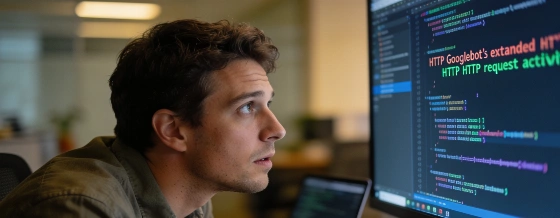
Less than 1.5% of Googlebot’s site requests use HTTP methods like HEAD, OPTIONS, PUT, PATCH, or DELETE. This rare activity is triggered by JavaScript functions during page rendering, according to Gary Illyes.
Googlebot, the web crawler responsible for indexing content for Google Search, is now confirmed to send a wider range of HTTP requests to websites than previously understood. While GET and POST remain the primary methods, Gary Illyes from Google revealed that Googlebot also issues HEAD, OPTIONS, PUT, PATCH, and DELETE requests. These less common request types account for under 1.5% of all Googlebot activity, based on recent disclosures.
The reason behind these additional HTTP methods lies in how modern websites use JavaScript. According to Illyes, certain JavaScript functions embedded in web pages can trigger these requests as part of the rendering process. This means that when Googlebot renders a page to understand its content, it may execute scripts that initiate a broader set of HTTP calls, not just the standard GET or POST.
For site owners and SEO professionals, this behavior highlights the importance of monitoring server logs for unexpected request types. While the volume is small, understanding these interactions can help diagnose issues related to site indexing or unexpected server responses. The presence of PUT, PATCH, or DELETE requests from Googlebot is not an error, but a byproduct of how JavaScript-driven sites operate during crawling and rendering.
This development comes as Google continues to evolve its crawling and indexing technology to keep pace with increasingly dynamic web content. The company’s approach to rendering and executing JavaScript has become more sophisticated, allowing it to better interpret complex sites. This shift has implications for both technical SEO and site security, as server configurations may need to account for these rare but legitimate requests.
Recent changes in Google’s crawling behavior echo broader shifts in the search ecosystem, where AI and automation are reshaping how content is discovered and ranked. For example, the rise of AI-generated answers on search results pages has already impacted both organic and paid strategies, as discussed in this analysis of how AI overviews are affecting paid search ads.
Google, founded in 1998, remains the dominant player in global search with over 90% market share as of 2026. The company’s search index processes hundreds of billions of pages, and Googlebot is estimated to crawl more than 20 billion sites daily. As web technologies evolve, Google continues to update its crawling infrastructure to ensure comprehensive and accurate indexing of the modern web.