
Algorithm Updates
47 articlesThe subject becomes easier to follow through privacy questions, alternatives research, content refreshes, outage reports and source checks. Those formats let writers explain the background, record changes and compare options without forcing every story into the same shape.
The section gains depth through links with Platform Updates, Product Launches, Funding News, M&A News. Those relationships let visitors compare causes, consequences and practical choices across the site.

Google Search Forced to Reshape Results in Europe After Record EU Fine
A record EU fine compels Google to demote its own services in search results. Rival platforms now appear above Google’s listings, and real-time booking prices are gone. Publishers and travel sites are bracing for major shifts in traffic and revenue.

Search Intent Now Outranks Backlinks in Google’s Algorithm
SEO experts say matching search intent is now the top factor for Google rankings. Backlinks remain important, but original research and user satisfaction are gaining ground. AI-generated content still faces skepticism.

Manual Spam Actions Hit Publishers as Google Update Ends
Traffic and revenue for established sites plummeted after Google’s August 2026 spam update. Manual penalties are compounding the fallout. Here’s what publishers must do to avoid deeper losses and why quick fixes often backfire.

Google overhauls European search to comply with EU rules
Travel and restaurant search in Europe faces a major shakeup as Google revamps its results to meet strict EU antitrust demands. Aggregators like Booking and Expedia are set to benefit while Google warns of lower quality for users.
Google Forces AI Max Upgrade on Search Campaigns Without Opt Out
Some Google search campaigns are being upgraded to AI Max automatically. Account owners have no way to opt out. The change impacts campaign control and visibility.

Google Introduces Click-to-Proceed Barrier, Disrupting Search Scraping
Google Search now blocks automated scraping by requiring a manual button click before showing results. The change disrupts SEO tools and data extraction, affecting publishers and AI-driven content teams.
Google Tests AI Overviews Without Expand Button
Google is piloting a new AI-powered search interface that removes the 'Expand' button and introduces a direct question field. Early tests show users find answers faster and engage more. Publishers and SEOs should monitor for changes in traffic and visibility.

Why AI Watermarks Won’t Decide Your Content’s Fate
Concerns over AI watermarks are rising, but search engines focus on originality and value, not the presence of machine-generated signals. Discover what really impacts your rankings and reputation in today’s AI-driven publishing landscape.
Google Suspends Site Reputation Abuse Penalties in EEA
Manual penalties for Site reputation abuse will not impact search results for users in the European Economic Area after August 30. Google cites a European Commission decision as the reason for this regional change. The rest of the world will see no change.
Google Adds Goto Redirects to Search Result Links
A new redirect system is now live in Google Search, changing how result links work. The update aims to block scraping and protect users. Third-party SEO tools may see disruptions as the rollout reaches nearly all users.
ChatGPT Moves to Block Spam With site: Query Update
A new update in ChatGPT targets spam by limiting the effectiveness of site: operator queries. Experts say this could undermine micro-site strategies and may influence other AI assistants to follow suit.
Google Confirms Bug Causing Favicons to Disappear in Search
Favicons have vanished from many Google Search results this week, with Google acknowledging a technical issue on its end. Some sites are already seeing fixes, but others remain affected. The company says a resolution is underway.
Google Rolls Out August 2026 Global Spam Update
A new spam update is being deployed worldwide, impacting all languages. The rollout will take several days to complete. This marks the third such update from Google in 2026, raising fresh concerns for site owners.

Google Ranking Factors Revealed in Antitrust Case Evidence
Court documents shed light on the three main groups of ranking factors Google uses to determine search visibility. The findings highlight the importance of topical relevance, user click data, and site quality. SEO professionals are urged to focus on these core areas for maximum impact.
French Publishers File Complaint Over Google AI Search Summaries
A coalition of nearly 300 French newspapers has asked regulators to intervene after Google launched AI-generated summaries in search. Publishers say the feature threatens their web traffic and revenue.
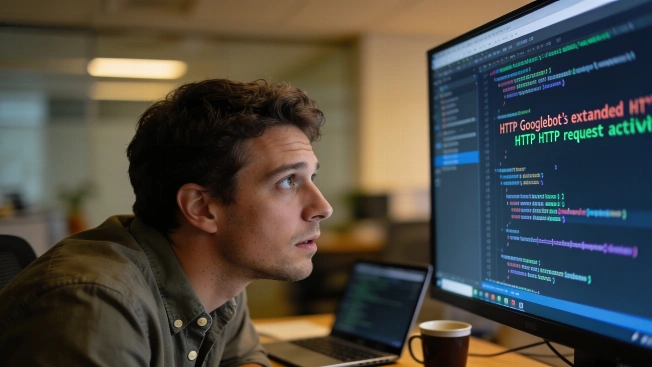
Googlebot Now Sends More Than Just GET and POST Requests
Less than 1.5% of Googlebot’s site requests use HTTP methods like HEAD, OPTIONS, PUT, PATCH, or DELETE. This rare activity is triggered by JavaScript functions during page rendering, according to Gary Illyes.

AI Reshapes Instagram Engagement While Keeping It Human
Instagram’s AI now determines what users see, but real human interaction still drives growth. The platform’s evolving algorithms reward authentic content and penalize fake engagement, changing how brands and creators connect with audiences.

Google Confirms AI Mode Queries Now Count in GSC Performance
Follow-up questions in AI Mode are now tracked as separate queries in Google Search Console’s Performance report. This change impacts how impressions, positions, and clicks are recorded for site owners. John Mueller confirmed the update.

Snapchat Limits AI-Generated Videos in Spotlight Feed
AI-made videos will no longer be recommended in Snapchat's Spotlight. The platform aims to highlight content from real people. Other social apps are also rethinking their approach to AI content.
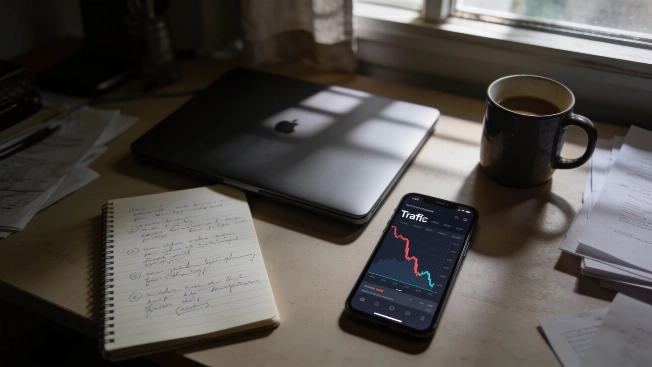
Google Updates and AI Overviews Gut 100 Top Blogs
A four-year study tracked 100 high-earning blogs. Most lost 85% of their organic traffic. Only 21 managed to grow. The data reveals what content survived Google's algorithm changes and AI Overviews.
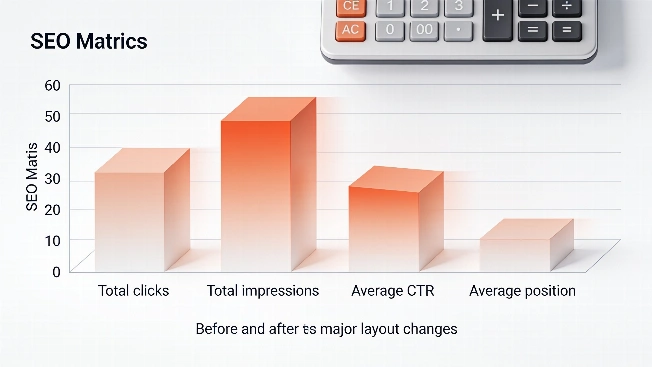
Google Bans Fake and Undisclosed Incentivized Reviews in Snippets
A new guideline from Google prohibits fake or undisclosed incentivized reviews in review snippet structured data. Publishers must now ensure all reviews are genuine and transparently disclosed to remain eligible for rich results.

Google’s DSA Campaigns to Be Replaced by AI Max in 2027
Standalone Dynamic Search Ads will be phased out as Google shifts to AI Max for Search. Advertisers must prepare for new targeting, creative controls, and campaign structures before the February 2027 migration.
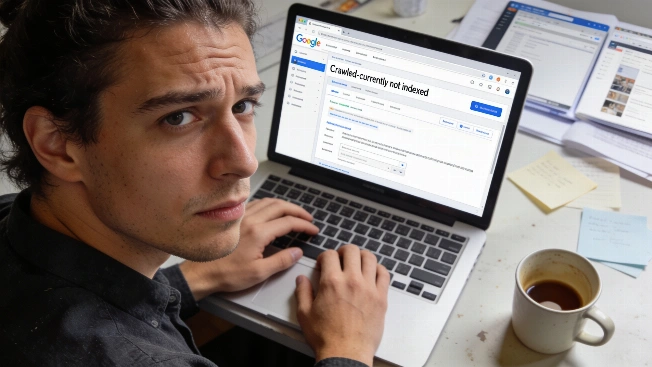
Why Google Leaves So Many Pages Crawled But Not Indexed
Thousands of site owners are seeing their pages stuck in Google's 'crawled - currently not indexed' status. Learn what causes this, why quality matters more than ever, and which tools can help you recover visibility.
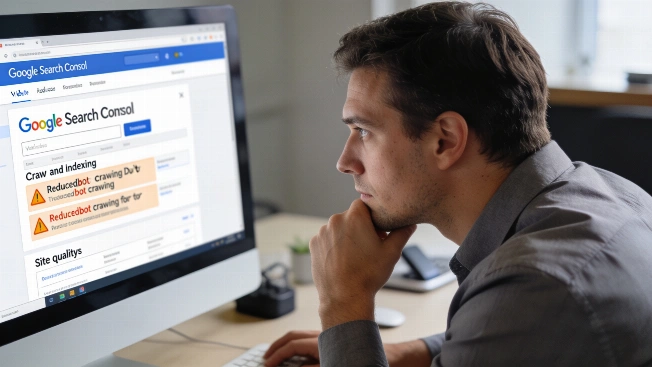
Googlebot Cuts Crawling When Site Quality Drops
A sudden decrease in Googlebot crawling may signal deeper quality issues. John Mueller explains why Google reduces indexing on sites with widespread low-quality content. Learn what these warnings mean for your site’s visibility.

EU Set to Rule Google Broke Search Competition Rules
Regulators in Europe are preparing to declare that Google unfairly promoted its own shopping and travel services in search results. The decision could force major changes to how rival platforms appear in high-value queries.

Why Google’s Content Doctrine Means Publishers Can’t Win on Quality
Google’s approach to content quality is built on distrust of publishers. Subjectivity, unverifiable standards, and shifting rules make it impossible to optimize for true quality. Here’s what that means for content creators.
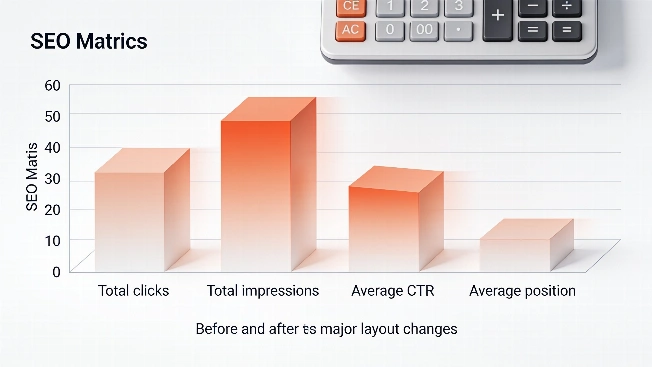
How Google Uses Visual Semantics to Rank Websites
Google’s search algorithms now analyze not just text, but also page layout, design, and interactive elements. New patents and research reveal how visual structure impacts rankings and topical authority. Learn what this means for SEO in 2026.

X Adjusts Algorithm to Prioritize Community Over Conflict
A recent algorithm fix on X may reduce exposure to unfamiliar accounts in replies. The change aims to make the platform less contentious and more focused on user communities. Engineers say the update could improve the overall experience.

How Toxic Backlinks Quietly Limit Your Site’s Visibility
Sudden drops in search traffic may not be caused by a few bad links. Large-scale backlink manipulation triggers hidden penalties that quietly suppress your rankings.
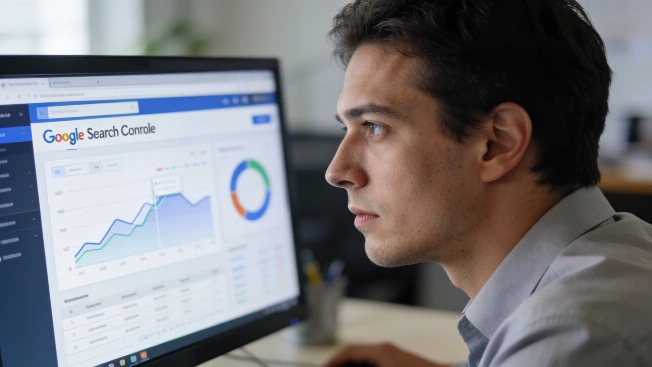
Google Says Canonicalization Fixes May Take Two Weeks
Site owners now have a clearer timeline for when Google will process canonicalization changes. Updates to official documentation reveal it can take up to 14 days for fixes to appear in search results. This helps avoid unnecessary tweaks.
Page 1 by 2