A record EU fine compels Google to demote its own services in search results. Rival platforms now appear above Google’s listings, and real-time booking prices are gone. Publishers and travel sites are bracing for major shifts in traffic and revenue.
Google’s grip on European search just loosened. After a 460 million euro fine for favoring its own shopping, travel, and restaurant services, Google is now required to give up prime search positions to competitors. For publishers and booking platforms, the change is immediate: in the EU, Google’s results now put rivals like Expedia and Booking.com above its own sponsored links, upending the flow of clicks for valuable searches.
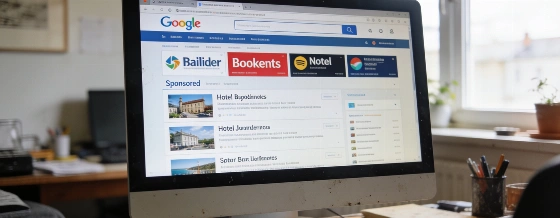
On September 8, 2026, Google rolled out a redesigned search results page across the European Economic Area, highlighting one specialized search engine at the top, followed by two more with fewer details, and removing real-time prices from hotel and travel carousels.
Google’s own take on these changes is blunt: the company told Reuters this is the biggest drop in service quality in its 29 years of search. But for publishers and travel platforms who’ve long felt squeezed by Google’s vertical integration, this is less about user experience and more about shifting revenue. Google’s idea of “quality” has always been tied to its own profits. When it launched Accelerated Mobile Pages (AMP), publishers were pushed to adopt a system that served Google’s interests first. AMP’s decline shows how forced adoption can backfire.
For digital publishers, the new EU-mandated search layout means rethinking where traffic comes from and how to make money. Those who relied on Google’s real-time pricing widgets for affiliate revenue will lose that feature. Now, users have to click out to other platforms, which could boost direct bookings for Google’s rivals but adds friction for audiences. The balance of power in search-driven commerce is shifting, and the winners will be those who can capture and convert this redirected traffic.
The European Commission fined Google €460 million in July 2026 for favoring its own services in shopping, hotels, transport, and sports search results, and gave the company 60 days to comply or face periodic penalties of up to 5% of global turnover.
Google’s complaints about “reduced quality” sound hollow given its history of self-serving product choices. The company’s pushback against regulation is less about users and more about protecting its profits. For publishers, creators, and travel platforms, this is a rare chance to regain visibility and revenue in a market long shaped by Google’s algorithms. The real question is whether these changes will lead to real competition or just shift control to a new set of gatekeepers. Either way, Google’s era of unchecked control over European search is ending, and the fight for audience attention is about to get tougher.
Google is still the world’s most popular search engine, with a global market share above 90% in 2026. In the EU, regulators have stepped up scrutiny since the Digital Markets Act, which targets so-called “gatekeeper” platforms. The July 2026 fine is one of the largest ever imposed on a tech company by EU authorities, showing the bloc’s willingness to force structural changes, not just levy fines. Google’s travel and shopping services have brought in billions each year, so being forced to demote these features is a major operational and financial blow.