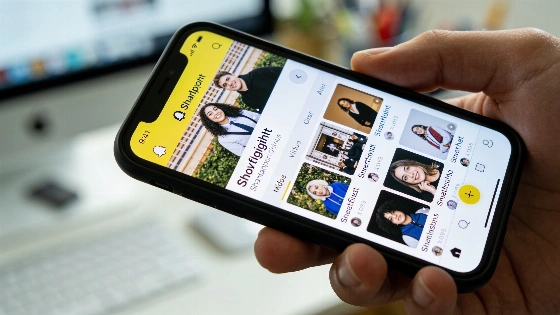
Snapchat has moved to restrict the visibility of AI-generated videos in its Spotlight feed, a decision that could impact creators, publishers, and anyone relying on algorithmic distribution for audience growth. The company announced that, starting this month, videos created entirely by artificial intelligence will not be eligible for recommendation in Spotlight, Snapchat’s TikTok-style video discovery section.
According to Snapchat, the change is designed to reduce the spread of what it calls “low-quality, repetitive” AI-made content, which has become increasingly common across social platforms. The company said it will now prioritize videos from real people, aiming to surface more original and engaging material. However, videos that have been enhanced or edited with Snapchat’s AI creative tools will still be eligible for recommendation, provided they include transparency tags indicating AI involvement.
Snapchat emphasized that the move is not a rejection of AI as a creative tool. The company acknowledged that AI can play a valuable role in the creative process for some users, but drew a distinction between content that is entirely AI-generated and content that is simply enhanced by AI features.
Internal data from Snap shows a year-over-year increase of more than 120% in the number of creators contributing to Spotlight. This growth has influenced the company’s decision to focus on human-made content, as users across digital platforms express frustration with the rise of so-called “AI slop.”
Other major platforms are also adjusting their strategies in response to the proliferation of AI-generated material. LinkedIn recently discontinued its AI-first publishing features and now allows users to flag suspected AI-generated posts for removal. Substack has rolled out an AI detection tool to estimate the proportion of newsletter content written by AI, while Patreon has partnered with Cloudflare to prevent automated bots from scraping creators’ work for AI training purposes. Meta, despite launching a fully AI-generated video feed in its new app “Vibes,” has also begun to tweak its recommendation systems to limit the reach of unoriginal content and discourage aggregator accounts.
This shift toward prioritizing authentic creator content echoes broader trends in digital media. For example, Time’s recent focus on creator-led video has resulted in a dramatic increase in YouTube views, as detailed in a report on Time’s video strategy.