
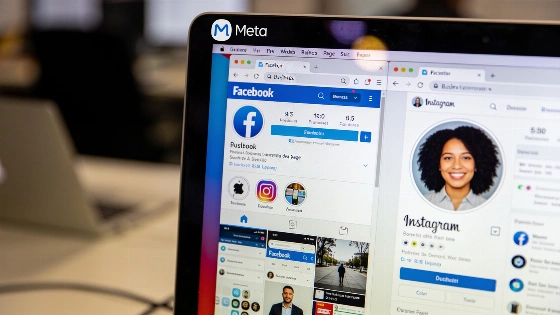
Some Facebook business pages woke up this month to a new reality: Meta is now capping the number of free external links they can post. The company has started testing these limits on both Facebook and Instagram, shifting how it handles outbound traffic. News publishers are officially exempt, but Meta has not spelled out who qualifies, leaving smaller outlets in the dark and some already running into roadblocks.
Meta One was launched in September 2026 as a subscription for businesses and creators, offering AI tools, scheduling, analytics, audience management, and business account features across Facebook, Instagram, and WhatsApp.
Instagram, which has long blocked most organic outbound links, is now part of the test. For the first time, business pages can drop links directly into posts or reels, but only up to a set monthly quota tied to their subscription. The Advanced plan allows four Instagram links per month, the Expert plan eight, and the Max plan twelve. Before this, creators and publishers had to rely on “link in bio” tricks or third-party link hosts. Red Sparrow Agency reports that the Advanced plan starts at $49.99 per month and covers four links in both standard posts and Reels, with higher tiers raising the cap.
Meta is also closing off old workarounds. Links in comments, once a go-to for social media managers, now count toward the monthly quota. If a page hits its limit, any new URLs show up as plain text, not clickable links. Only a few exceptions remain: links to Meta-owned platforms, affiliate partner links, and links in paid ads do not count against the cap. The restriction covers both posts and, in some cases, comments with external links, though extra links in comments under a post that already counts toward the quota may not further reduce the monthly total.
Confusion for publishers
Paid advertising campaigns on Meta platforms are not subject to the same link limits as organic page posts, highlighting a clear distinction between paid and organic link distribution.
Social media consultant Matt Navarra called the situation frustrating for publishers. He pointed out that Meta has gone from courting publishers to charging them for outbound links, a major shift in approach. Navarra said news content keeps losing ground on Facebook, while native posts and creator reels get pushed up the feed. In his view, Meta now treats external links as a drain on its ecosystem, not a benefit.
Navarra also noted that by counting links in comments, Meta is not just tweaking its algorithm but directly controlling who can send traffic off-platform. That makes the Meta One subscription a much bigger deal for publishers and creators who depend on social traffic to grow their audience and make money.
Strategic choices and new costs
Publishers now have to decide if a Meta One subscription is worth the cost for the traffic Facebook brings in. Navarra said that for outlets still getting strong referral traffic that leads to subscriptions or ad revenue, paying for more links could just become another line item. But for many, Facebook’s referral numbers have already dropped, so paying to claw back lost reach may not add up.
He urged publishers not to build their business on “rented” distribution. When a platform can suddenly put a price on outbound links, direct audience relationships matter more than ever. The bottom line: publishers do not own their Facebook audience-Meta does, and now it is charging for access.
Other platforms are testing similar moves. Recent coverage of Google’s pay-per-value pilot shows publishers facing new questions about control and monetization there, too.
Meta’s recent AI licensing deals with big US publishers like CNN, People Inc, and Fox News add another twist. These agreements, along with partnerships involving OpenAI, hint that access to Meta One features could become a bargaining chip in future talks over content and data rights.
Meta’s paid link quota test sends a clear message to publishers and creators: the days of free, easy distribution on Facebook and Instagram are fading. By charging for outbound links, shutting down workarounds, and keeping the “news publisher” definition vague, Meta is forcing every publisher to face the risks of relying on third-party platforms. For those who built their audience on Meta’s turf, the warning is plain-future traffic may come with a price, and the safest bet is to invest in direct audience ties and spread out distribution.