TikTok Lets Brands Make AI Video Ads Up to 30 Seconds
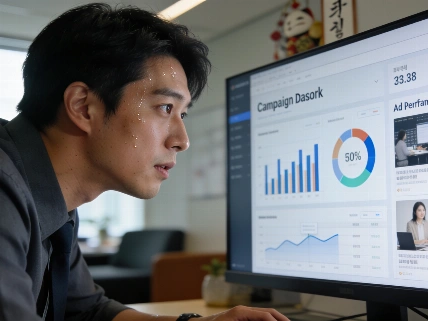
TikTok’s Symphony tools raise the AI video-ad limit from 15 to 30 seconds and expand reference capacity from nine to 50. An upgraded API brings its creative tools into advertisers’ own systems.
The labeled placement disappears as soon as ChatGPT finishes creating an image. OpenAI said the format would be tested with a group of U.S. advertisers this month.
Meta’s Muse agents generated 29 million requests in 12 days, almost all through cloud infrastructure. Apple and Meta’s Mac-focused model could move some creative work onto local hardware, while ad placement and CPMs are expected to hold steady for now.
A judge has refused to dismiss a lawsuit accusing Apple of scraping YouTube videos for AI training. Creators say their work was taken without consent. The outcome could force tech giants to rethink how they use public online content.
Short-form vertical video has upended the old order. Brands and creators scramble to master a new language built for the phone, not the living room.
AI now combs through completed streaming shows for ad slots. Omnicom uses Rembrand VISTA to pinpoint scenes for in-content placements, driven by RealID and viewership data.
Google's new Playground platform lets users make and share games with just a prompt. The Unity partnership targets millions of new creators-no coding needed.
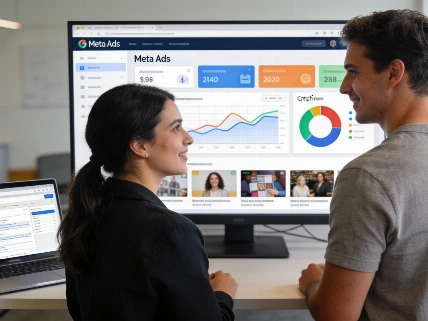
Meta is rolling out a new wave of AI-powered automation for advertisers. The company’s business assistant now handles campaign planning, creative, and shopping, raising the stakes for digital marketers.
Pulitzer-winning investigations now run on AI muscle. Newsrooms are building custom chatbots and undercover personas to break stories faster and keep reporters safer.
OpenAI’s Intelligent UI, powered by GPT-6, lets ChatGPT create custom diagrams, calculators, and seat maps for paid users. Free users began getting access next.
A judge must resentence a convicted man after an AI-made video of the victim was ruled too persuasive. The court kept the conviction but ordered a new sentencing without the AI video.
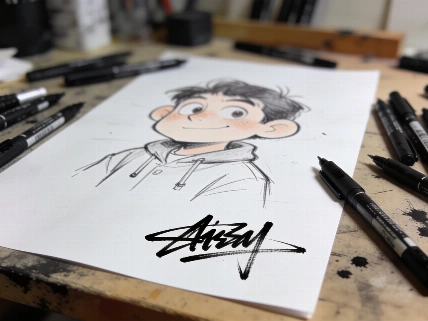
AI tools are churning out New Yorker-style cartoons and slapping on real cartoonists' signatures. Artists say this is a step too far. OpenAI has started blocking some prompts, but the problem hasn't gone away.
YouTube is changing how Shorts are promoted. Channels that just re-upload others’ videos will lose reach unless they add real value.
YouTube Shorts is changing the game. The platform now pushes original uploads to the top and cuts down the reach of plain reposts.
A UK startup is licensing nearly a million hours of video game play to train AI world models. Researchers see potential in this data, but some warn that game physics may not match real world demands.
Nestlé has picked WPP to build and run an AI-powered content operation for all its brands in Greater China. The deal covers more than 35,000 assets a year and marks a new push in digital marketing scale.
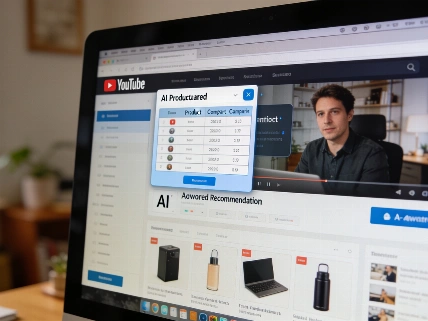
YouTube is rolling out smarter shopping tools. Viewers now get instant product suggestions and follow-up questions right on the video page, powered by AI.
A new tool promises to catch AI-generated fakes before they hit the news. Publishers can now verify text, images and audio for manipulation before publishing.
Reuters replaces Getty as the exclusive licensing partner for ITN’s vast news archive. AI-powered search and richer metadata promise faster, more reliable access for publishers and creators.
A new iPhone feature promises to verify real photos and expose AI fakes. Apple’s move could reshape how publishers and creators prove image authenticity.
A freelance designer has spent three years 3D-scanning public restrooms across the US. His digital archive now invites public submissions and reveals the overlooked quirks of American bathroom culture.
Nvidia's $13 billion deal to buy Hugging Face signals a major shift toward open-weight AI models and could change how developers access generative AI tools.
Millions of Americans are watching political news videos fronted by paid actors and scripted by AI. A new breed of YouTube operators is cashing in on algorithmic virality, fueling misinformation and reshaping digital media economics.
Scripps is cutting hundreds of local TV jobs and moving to AI-powered, anchorless news broadcasts-a major cost-saving shift that could reshape local TV.
Journalists are using satellite imagery and AI to uncover illegal mining in the Amazon and Congo basins. New cross-continental collaborations are exposing hidden operations and reshaping investigative reporting.
VLC has surpassed 7 billion downloads, highlighting renewed interest in offline media tools. VideoLAN is expanding to new platforms and features as audiences rethink how they access content.
Instagram now requires clear disclosure for AI-generated people. Accounts that don't label synthetic profiles risk reduced reach, with a focus on curbing deceptive influencer and health content.
AI is reshaping how stories are written, edited, and published. Newsrooms face tough questions about transparency, bylines, and the line between human and machine. Standards are evolving fast.
Educators across the US and UK are facing a surge of AI-generated sexualized images and videos created by students. These incidents are causing distress, investigations, and changes in school policies. Platforms like TikTok and Snapchat are under scrutiny for their response.
New EU rules require clear labeling of AI-generated images and text. Brands must ensure compliance throughout the content lifecycle. Experts recommend integrating labeling into every workflow step.