A new iPhone feature promises to verify real photos and expose AI fakes. Apple’s move could reshape how publishers and creators prove image authenticity.
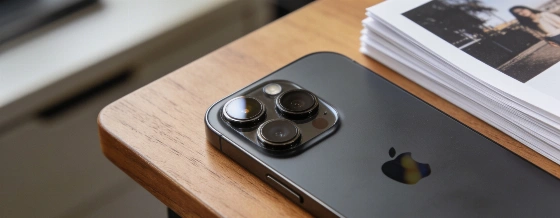
Apple is raising the stakes for anyone who relies on authentic images-publishers, creators, and anyone making a living from visual content. The company’s new Reference Image feature, debuting on the iPhone 18 Pro and Pro Max, is meant to prove a photo’s origin and help block AI-generated fakes. It arrives as the industry scrambles to tell real from synthetic, a problem that affects newsroom credibility, platform rules, and the business of content itself.
Apple’s approach is different from Google’s SynthID, which marks AI-generated images with an invisible signal in the pixels. Instead, Apple embeds a unique ID in the photo’s metadata, generated by its Private Cloud Compute system. This ID links the image to the specific iPhone that took it. The process doesn’t change the image itself, and Apple says it only runs on photos users choose to sign. According to the company, it never sees the photo-just the capture data.
Apple’s Reference Image feature is opt-in and is intended to help distinguish real photos from AI-generated or edited fakes, according to Reuters.
The Reference Image acts like a digital negative-a receipt that shows what the camera sensor actually captured. For photojournalists and publishers, it offers a way to defend against claims of AI tampering or to challenge altered versions of their work online. Each photo is saved twice: once as a regular editable image, and once as a locked Reference Image with the embedded proof of origin.
Major camera makers like Nikon and Canon have backed the C2PA Content Credentials standard, which is also supported by Google’s Pixel phones and several European media outlets. Apple, though, has chosen not to join the C2PA group, opting for its own system instead. This sets up a direct competition over which method will become the main way to verify images.
In practice, Apple’s system could make verification easier for publishers and platforms, but it also means relying on Apple’s infrastructure. The Reference Image signature only works for photos taken on the newest iPhones, and the verification process depends on Apple’s cloud. That could complicate things for organizations using a mix of devices or sharing images with platforms that expect C2PA credentials.
Apple is also opening APIs in iOS, iPadOS, and macOS 27 so that third-party apps can display or verify Reference Images, expanding the feature beyond Apple’s own Photos app.
MacRumors
For creators and media companies, the impact is immediate. Being able to prove a photo is real could soon be required for syndication, licensing, or even posting on social platforms. As AI image generators like GPT-Image and Nano Banana become more common, the need to authenticate visuals will only grow. Apple’s move is a clear attempt to make its devices the go-to for trusted photography, which could help lock in professional users and push competitors to keep up.
Newsrooms are already changing how they check images, thanks to new provenance tools. As reported earlier, Google DeepMind’s Backstory tool is being tested to automate provenance checks and trace image context. Apple’s Reference Image enters this space with a different philosophy-focusing on device-based proof rather than open standards.
Apple’s decision not to adopt C2PA isn’t just technical; it’s a strategic bet that its closed approach will win out over industry collaboration. For publishers and creators, this could mean more fragmentation: verifying an image’s origin might depend on the device used and which standard a platform accepts. Reference Image may offer strong proof for iPhone photos, but it also widens the gap between proprietary and open solutions. Apple is betting that its brand and user base will push the rest of the industry to follow its lead.
Apple, based in Cupertino, California, reported $394.3 billion in revenue in 2025 and remains the world’s most valuable tech company. The iPhone, first launched in 2007, made up more than half of Apple’s sales last year, with the Pro and Pro Max models especially popular among professional creators and media organizations.