Journalists are using satellite imagery and AI to uncover illegal mining in the Amazon and Congo basins. New cross-continental collaborations are exposing hidden operations and reshaping investigative reporting.
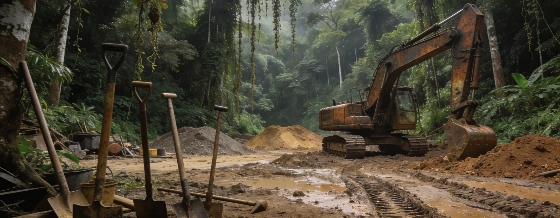
Journalists in South America and Africa are turning to AI and satellite imagery to uncover illegal mining in the Amazon and Congo rainforests. These regions are among the world’s most important ecological zones, but their size and remoteness have long made on-the-ground reporting difficult. Now, technology is helping reporters track hidden mining operations and share findings across borders.
Africa Mining Watch, launched in 2026, held a seven-hour virtual mapathon in April to train 25 journalists from several African countries in using the Earth Index platform.
Inspired by the Amazon project, Jacopo Ottaviani of Code for Africa saw a chance to apply similar methods in Africa, where illegal mining is closely tied to labor abuses and political interests. Africa Mining Watch covers six countries in the Congo basin and ten in West Africa, tracking minerals like cobalt, copper, gold, and coltan. The project faces hurdles such as multilingual newsrooms and limited infrastructure, but is building skills through training and new technology.
Technology and collaboration
The scope of Africa Mining Watch extends beyond gold to include cobalt, copper, coltan, and other minerals, reflecting the diversity of extractive industries in six Congo basin countries and ten West African nations. The project also places a strong emphasis on human rights, addressing issues such as labor exploitation and the complexities of coordinating investigations across multilingual editorial teams.
Even with advanced technology, both projects stress that journalists are still needed to provide context and verify findings. They are investing in training, community-building, and sharing investigative techniques to keep coverage accurate and consistent. Amazon Mining Watch now publishes the Panorama newsletter, with quarterly updates on illegal mining and environmental issues. Africa Mining Watch is developing a toolkit with background, data sources, and story ideas for journalists across Africa.
Operational impact and editorial verdict
For digital publishers and newsroom leaders, these projects show how AI tools and open-source methods can change investigative reporting, even when resources are tight. Automating site detection, verifying hard-to-reach locations, and working across borders are making environmental journalism more effective and widening its reach. Sharing strategies and resources between continents is not just a technical upgrade-it’s a practical way to increase impact and credibility when reporting on issues that powerful groups would rather keep hidden.
The rise of AI-powered investigative journalism in the Amazon and Congo basins points to a clear lesson: newsrooms that invest in data-driven methods and cross-border partnerships are better equipped to break important stories, reach global audiences, and build trust in risky reporting areas. For publishers, the takeaway is to prioritize technology and collaboration-not just for efficiency, but for the edge they bring in uncovering stories that matter.