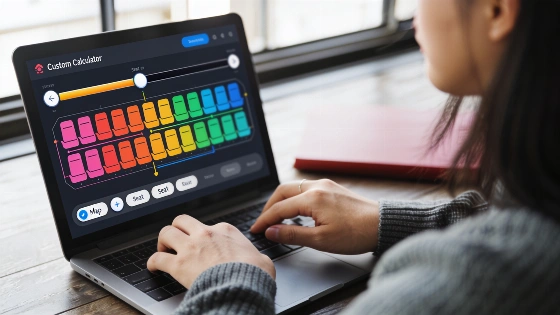
OpenAI has flipped the script on how ChatGPT answers questions. With the launch of its Intelligent UI, the chatbot can now build interactive visuals, calculators, and custom diagrams right inside the chat. This upgrade, running on the new GPT-6 model, is live for paid users today. Free users are set to get the same features tomorrow.
According to OpenAI's official release notes, interactive bar, line, pie, and scatter charts were added to ChatGPT on October 2, 2026, and updated again on October 5, 2026.
Not every answer will come with a chart or graphic. Aarush Selvan, product manager at OpenAI, said, "We have a design team that spent a lot of time figuring out when adding a diagram, chart, or buttons adds value versus when it's starting to feel cluttered." Anyone who prefers plain text can tell ChatGPT to keep visuals to a minimum.
Google has already started down a similar path, rolling out "generative UI" in Search earlier this year. Now, users exploring topics like black holes see interactive graphics with sliders that break down complex ideas. The push to blend text, images, and voice into one seamless experience is picking up speed. OpenAI’s move signals that over a billion users will soon expect more than just paragraphs from their AI assistants.
OpenAI's Intelligent UI is not a standalone interface builder, but a feature within the Chat tab that allows the model to combine text with charts, forms, buttons, and specialized tools directly in the conversation.
Recent research, including findings reported earlier, shows that AI platforms now reward content that earns citations and engagement, not just static facts. OpenAI’s Intelligent UI is a direct answer to this trend, aiming to keep users involved with richer, more useful outputs.
As chatbots move into the multimodal era, they’re starting to look less like digital notepads and more like personal dashboards. For anyone worn out by endless text, features like interactive slug diagrams and seat maps mark a real shift. The question now is whether these tools will actually boost engagement and value for users, or just add another layer of complexity. For now, OpenAI’s Intelligent UI raises the bar for what conversational AI can do, and those who adapt quickly will have the best shot at holding audience attention in this new landscape.
OpenAI, founded in 2015, has grown ChatGPT’s user base past a billion worldwide. Its paid subscription tier now drives much of the company’s revenue. The rollout of GPT-6-powered features like Intelligent UI is meant to set its premium service apart from the free version. As the fight for AI users heats up, OpenAI’s ability to deliver interactive, personal experiences will be key to staying ahead.
An official OpenAI release notes that the visual update also brings more embedded web images to free users, and highlights people, places, products, and ideas in a sidebar with key facts and sources.
Independent reporting from Firstpost confirms that the global rollout of GPT-6 with Intelligent UI began on October 7, 2026, for Plus, Pro, Business, and Enterprise plans. Free and Go users started getting access from October 8.