
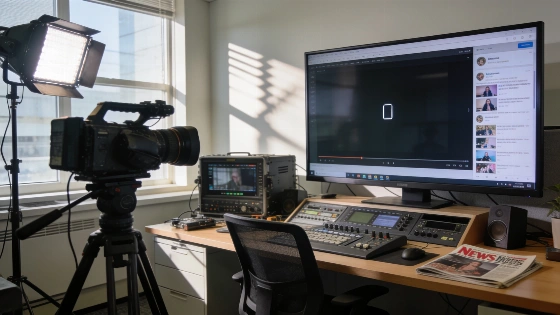
Time’s decision to treat social media creators as editorial partners is delivering major results for its digital video business. According to editor-in-chief Sam Jacobs, the 103-year-old magazine’s focus on creator-style content has led to a 773% increase in YouTube video views in the second quarter of 2026. LinkedIn video views also climbed 756% in the first half of the year, reflecting a broader shift in how Time approaches audience engagement and platform distribution.
Jacobs reported that about half of Time’s traditional editors and reporters have contributed to social video this year, signaling a significant change in newsroom workflow. Recent collaborations include Yaya Onalaja-Aliu and Lloyd Griffiths of @handluggageonly, who have produced Instagram video series visiting locations from Time’s World’s Greatest Places list. Jacobs described this approach as treating creators like columnists, giving them space to share their perspectives directly with audiences.
Time has also brought in high-profile personalities for live events. Maura Higgins, known from Love Island, co-hosted the first red carpet livestream for the Time 100 Gala in April, drawing 50,000 YouTube views. Speedy Morman and Ally Love hosted the Time 100 Sports Gala livestream in July, which reached 9,000 views. Jacobs said the brand is hiring creators as freelancers for timely projects, such as commissioning a creator named Nico to produce soccer content in New York during the World Cup.
Maintaining editorial standards remains a priority, Jacobs emphasized, even as Time works with creators who may not have traditional journalism backgrounds. He said the goal is to balance Time’s standards with the authentic storytelling that creators bring, fostering a two-way exchange of expertise.
Trust and authenticity are central to this strategy. Jacobs cited a recent Yougov survey showing Time with a net trust score of 15 across the US political spectrum, ranking just behind outlets like PBS, The Wall Street Journal, and Reuters. He argued that connecting audiences with individual journalists and creators inside the institution can help build trust. For example, Time senior sports correspondent Sean Gregory filmed himself walking 13 miles from Penn Station to MetLife Stadium to highlight alternatives to a $98 train fare during the football World Cup, a video that reached five million viewers across platforms.
Time is also revamping its newsletters to focus more on author personality, moving away from a digest format. Jacobs noted that while Time is often seen as a conservative institution, it has a history of playful and unconventional editorial choices, and the current strategy aims to highlight that diversity.
Studios and Events
The brand’s creator-focused approach extends to Time Studios and live events. In July, Time published its first Time 100 Creators list and hosted a gala attended by 70 of the featured creators. Time Studios is preparing to launch a long-form interview series with Piers Morgan, distributed across both Time’s and Morgan’s channels under a revenue-sharing agreement. Previously, Time Studios focused on documentaries for TV and streaming, such as a project about Megan Thee Stallion sold to Amazon. Jacobs said the creator revolution has shifted attention and revenue opportunities toward digital platforms.
Time Studios is also working to expand the reach and monetization of the brand’s 40+ annual live events, including through red carpet livestreams. Jacobs described this as a major opportunity for both storytelling and audience growth.
Monetization and Print
Jacobs said the new digital strategy is attracting significant advertising deals, with brands seeking exposure on platforms like Instagram as part of sponsorship packages for Time’s influential rankings. In 2025, Time’s social media revenue rose 119% through new branded products and ad formats. Events and digital are projected to account for half of Time’s revenue this year, up from 28% in 2023. Jacobs described the digital business as Time’s fastest-growing segment, driven by platform monetization and sponsorships around livestreamed events.
Despite the digital push, Jacobs said the print edition remains a prized asset and a symbol of authority. He pointed to the special cover for the New York Knicks championship win in June as one of Time’s best-selling issues in recent years, noting that readers still value print for commemorating significant moments.
Time’s evolving approach to creator partnerships and digital distribution comes as publishers across the industry adapt to changing audience habits and platform economics. For example, recent reporting has shown how AI-driven shifts in audience behavior are impacting publisher revenue, with display advertising emerging as a rare area of growth. More details on these trends can be found in this analysis of UK publisher revenue and digital disruption.
Founded in 1923, Time is one of the most recognized news magazines in the United States. The brand has a global audience and publishes both print and digital editions. In recent years, Time has expanded its digital operations, launched new video and event products, and invested in creator partnerships to reach younger and more diverse audiences. The company’s ongoing transformation reflects broader shifts in media consumption and monetization strategies across the publishing industry.