Dispatch Brings Its Long-Read Model to Print
Dispatch is printing 2,000 copies of a broadsheet priced at £6.50 each. The edition has no fixed publication schedule and will sit alongside the UK publisher’s digital reporting.
A creator can build a site and prepare a newsletter issue through ChatGPT or Claude. WordPress.com still requires approval before sending, while larger imports and paid setup remain dashboard tasks.
A single obituary helped send W42ST’s July visits to roughly 10 times a normal Sunday. Other local publishers drew traffic through community reporting on free obituaries and a World’s Longest Yard Sale guide.
Hint reports 40,000 newsletter subscribers and a 70% open rate, with women making up 85% of its audience. Its Stockholm-focused 08 newsletter had 2,500 signups two months after launch.
App-focused platforms are painting a rosier picture than The Trade Desk, even as mobile ad units sell for a fraction of TV prices. The Big Story also looks at retailers’ early Black Friday offers and gated Cyber Week discounts.
Mill Media and Democracy for Sale join established outlets among eight finalists for the 2026 prize. The winner will be named at the December 10 dinner.
More than 1,500 people signed up for Second Chapter’s newsletter before launch. The publication plans to add paid tiers in February 2027 while building revenue around memberships and sponsored events.
The founders say Leeds+ draws more than 500,000 followers and eight million organic monthly views across its social accounts. Most of its revenue comes from sponsored content and video work for businesses.
Proper Cardiff News serves free and paid readers, with most in-depth reporting behind a paywall. Its founders say the Cardiff title could become a model for expansion across Wales.
The themes let writers reshape publication pages and posts with desktop tools for changing layouts and visual styling. Substack says the controls give creators more freedom to represent their work visually.
A government grant was meant to give Stand Up For Southport more reporting capacity while it built direct local ad sales. A separate AI project would connect town records with the publisher’s archive.
The platform adds discovery tools and AI-powered reader interaction to magazine PDFs, with audio and translation among its features. It connects publisher systems, though the showcase provides no performance figures.
Substack says its Notes feed drove more than half of the paid subscriptions generated on its app in the past six months. The Ringer’s writers are using that network to sell newsletters while the company keeps its website free.
Semafor now has journalists in 11 countries and plans to enter Asia in 2027. Its fifth-year push begins with a Silicon Valley gathering this November.
Sinclair is taking its local TV news to Substack as a daily video podcast. The National Press pulls top stories from 178 stations, with New Media and Substack at the center of the launch.
Subscription revenue now dwarfs ads at Hell Gate. The worker-owned newsroom is pushing new tactics to convert free readers as subscriber growth slows. Can transparency and tax credits keep the business sustainable?
A Silicon Valley nonprofit is pledging ten million dollars to boost AI coverage. NPR’s new video podcast and its Power and Influence desk are among the first to receive major grants.
Goalhanger, a leading UK podcast producer, is dropping outside ad agencies. After reporting £38m in sales, it is building its own ad sales team and betting on direct brand partnerships to lead its next phase of growth.
AI search is draining publisher traffic. Media leaders are moving fast to build direct ties with readers, betting on creators and newsletters to keep revenue alive.
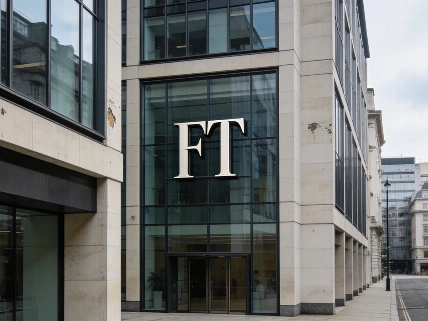
Financial Times Group has broken new ground. With over 3.5 million paying users and a sharp jump in operating profit, the company is rewriting the rules for digital news.
A Boston Globe Magazine story about a Western Massachusetts lesbian bar’s mask rules brought in thousands of new subscribers in just three days, showing the pull of sharp local reporting.
AI-powered inboxes are now filtering out bland newsletters. Dan Oshinsky warns that only emails with real value will make it through. Here’s what publishers need to change-and why old tricks won’t work anymore.
A handful of climate reporters are breaking out of solo routines. Their pop up newsroom is a test run for reaching bigger audiences-and for changing how independents work together.
Subscriber signups from Google are rising even as overall referrals fall. The Atlantic’s CEO reveals why fewer casual visitors may be a win for the business.
Major staff cuts at Scientific American have rattled the science media world. Print giants are shrinking as digital platforms reshape how audiences find and pay for science news.
Publishers are betting on practical guides and expert-driven advice to win loyalty and boost subscriptions. New initiatives target health, finance, and daily life decisions with a focus on trust and real-world impact.
A registration wall did not trigger a traffic collapse. Instead, Rest of World saw stable sign-ups and new insights into what readers value. Here is what actually changed-and what publishers should learn.
AI-narrated audio now reaches a fifth of some publishers' audiences. Robots.txt files are turning into strategic tools. Gen Z engagement and new approaches to sponsored content are changing how media companies make money.
A Boston Globe newsletter aimed at Gen Z and young Millennials has reached 60,000 subscribers. Its high engagement challenges assumptions about whether young audiences will ever pay for news.
MSN is quietly cutting off independent publishers, while AI-generated content now makes up a third of new web pages. SFGATE’s paid app sees a 90% trial-to-paid conversion rate. The digital publishing landscape is shifting fast.