A solo journalist built a 7,500-subscriber newsletter by exposing college football’s secrets. His experiment with paywalls reveals what really drives reader revenue-and what doesn’t.
David Covucci’s FOIAball newsletter challenges the idea that hard paywalls are the best way to make money from readers. In a year, Covucci has built an audience of 7,500 subscribers-420 of them paying-by mixing original investigative stories with a sharp, informal voice. What he’s learned is simple: locking stories away rarely turns casual readers into paying supporters. Instead, direct, honest appeals and a clear editorial style do more to convince people to subscribe.
FOIAball’s paid subscribers receive all stories, a weekly column, and early access to exclusives, emphasizing value beyond just access.
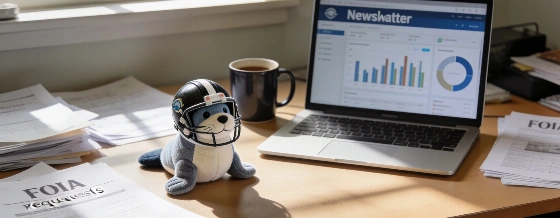
FOIAball’s mascot, Sleuthy the Seal, started as a misunderstanding but quickly became a symbol of the newsletter’s irreverence. Covucci even got a tattoo of the helmet-wearing seal on his forearm after reaching 500 subscribers-a move that showed his commitment and gave readers a stake in the project’s success.
But solo journalism is less about stunts and more about staying afloat. Covucci charges $70 a year or $7 a month for paid subscriptions, but he’s found that hard paywalls don’t deliver. When he compared two big stories-one locked, one free-the free one brought in three times as many paying subscribers. He’s upfront with his readers: paywalls don’t really work. Instead, he focuses on building trust and making direct, personal asks after readers have had time to connect with the newsletter’s reporting and personality. According to Nieman Lab, Covucci believes that direct, personal appeals and a recognizable editorial voice convert better than simply locking stories behind a paywall.
FOIAball’s August 2026 coverage included a story on the only U.S. university with a contract with Palantir and an investigation into AI-driven stadiums, highlighting the newsletter’s focus on the intersection of money, power, and infrastructure in college sports.
His experience lines up with what others have reported about the value of nurturing existing relationships over chasing new leads. Covucci’s most effective tactic is a direct, honest email that explains the economics of solo publishing and offers a discount. He’s also trying out “catchy, clicky text” before the paywall, instead of hiding whole posts, to nudge readers at the right moment.
FOIAball’s reporting depends on the quirks of public records law. Covucci says southern conservative states like Texas, Florida, and South Carolina are more responsive to FOIA requests than northern liberal ones, which he attributes to different attitudes about government transparency. Some universities, like Michigan State, respond quickly; others, like Michigan, let requests sit for over a year. Georgia changed its law to give colleges 90 days to respond to athletics-related records after football coaches lobbied for more time.
Covucci’s editorial stance is clear: college sports are a strange mix of public institution and professional entertainment, and deserve coverage that’s both rigorous and irreverent. He thinks blending investigative reporting with personal essays is rare in sports journalism-and it’s what keeps readers coming back. For now, FOIAball is still a one-man show, but Covucci hopes to double his paid subscriber count and eventually expand to college basketball and Olympic sports if revenue allows. FOIAball’s growing profile was highlighted by a feature in The Athletic/NYT, which covered the project’s role in uncovering "state secrets" of college football (The Athletic/NYT).
FOIAball shows that reader revenue isn’t about locking up the best stories or chasing viral hits. It’s about building a relationship, earning trust, and making the ask at the right time. The work is steady, growth is slow, and the outcome is never certain-but for independent publishers willing to show their work and personality, the path to sustainability is clearer than paywall advocates suggest.