After years of losses and sweeping layoffs, the Washington Post says it could break even by 2026. But with shrinking web traffic and subscriber backlash, can new digital revenue fill the gap?
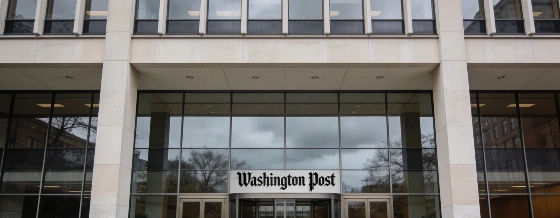
The Washington Post says it is on track to break even by the end of 2026, following four years of losses and a round of layoffs that eliminated entire departments. Jeff D’Onofrio, who had been serving as acting CEO and publisher, was formally named to the top job and now faces the challenge of turning the newsroom into a profitable digital business. According to Bloomberg, this is the closest the Post has come to profitability in five years, a claim repeated after D’Onofrio’s permanent appointment.
Jeff D’Onofrio was formally named publisher and CEO on September 9, 2026, after serving about seven months in an acting role. He originally joined the Post as CFO in June 2025.
Despite the shakeup, the company says its core mission is unchanged. D’Onofrio told staff that news and opinion remain central, but reaching profitability will depend on new revenue sources. The Post says it has sold more than 300,000 individual subscriptions in 2026, but has not updated its total subscriber count since October 2024, when it reported 2.5 million, according to Bloomberg.
The audience picture is mixed. The Post reports a 20% year-over-year increase in total audience reach for August, but Similarweb data shows a 17% drop in website visits over the same period. August traffic fell 12% from July, landing at 53.7 million visits. That puts the Post at 20th among US news sites. It is not alone: 41 of the top 50 US news sites saw year-over-year traffic declines in August, and 40 were down from July.
The February 2026 restructuring at the Washington Post resulted in the loss of more than 300 newsroom jobs, the closure of the books and sports desks, and a reduction in both local and foreign coverage. These changes contributed to subscriber backlash and heightened industry scrutiny.
Owner Jeff Bezos has publicly backed D’Onofrio, citing his focus on data and operational detail. D’Onofrio’s previous roles include CFO at Raptive and CEO of Tumblr, experience that points to a shift toward digital-first revenue and tighter operations.
For publishers and content strategists, the Post’s story is a clear example of the tough math facing digital media. Deep cuts may have helped the bottom line, but the loss in editorial range and audience trust is significant. The Post is betting on new revenue streams and programmatic growth, but with web traffic down and subscriber confidence shaken, the risks are high. As previously reported, leadership turnover and a shrinking newsroom have left their mark. The Post’s future depends on whether its new business model can deliver steady growth without losing the journalistic depth that once defined it.
Founded in 1877, the Washington Post is one of the oldest and most influential newspapers in the US. Jeff Bezos bought the company in 2013 for $250 million. Under his ownership, the Post expanded its digital reach and at its peak had more than 2.5 million digital subscribers. But the move to digital-first operations has brought unpredictable traffic and fierce competition for both reader revenue and advertising.