Time is expanding its reach with new international editions and AI-powered products. The publisher’s events and partnerships are driving record revenue. Younger audiences are fueling growth.
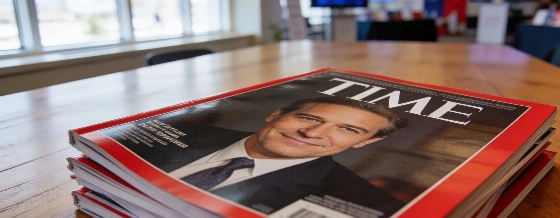
Time is accelerating its transformation from a print-focused legacy magazine into a diversified, global media business, with new partnerships, AI-driven products, and a sharp focus on younger audiences. Bridget Wilson, SVP of Business Development & Strategic Partnerships, returned to the company in September 2025 as the Time 3.0 strategy gained momentum under CEO Jessica Sibley.
The Time 3.0 initiative has shifted the company’s business model toward B2B revenue, integrated sales, and expanded editorial tentpoles. Since 2022, Time has grown its tentpole franchises from eight to 18, adding new verticals such as Longevity, Philanthropy, Sports, and Creators. The publisher plans to reach 24 tentpoles in 2026, including the debut of Time100 Sports and the upcoming Time100 Next India, which will highlight emerging Indian leaders.
International expansion is a core part of the strategy. Time has launched local-language editions in Canada, France, Korea, and Africa, aiming to deepen engagement with regional audiences. Wilson said these partnerships allow Time to deliver trusted journalism tailored to local markets, while also extending the brand’s global footprint.
AI integration is another pillar of Time’s transformation. In 2025, the company launched an AI agent on Time.com, enabling readers to search and interact with the magazine’s 103-year archive. This follows more than a dozen AI partnerships since 2022, including collaborations with OpenAI, Perplexity, Amazon Alexa, Mobian, ProRata AI, and Tollbit. These deals have expanded discovery, audience reach, monetization, and internal tools.
Time’s events business has also become a major revenue driver. The company increased its events from 11 in 2022 to 37 in 2025, with plans for 40 in 2026. More than 30,000 attendees have participated in events across cities like New York, Los Angeles, Cannes, Dubai, and Rio. Flagship gatherings such as the annual Time100 gala remain central, but new events like the Time100 AI Leadership Forum and Time100 Philanthropy have broadened the portfolio. Events now serve as a key entry point for new brand partners, with 33 new brands joining through event partnerships in 2025 and 91% of them investing across other Time platforms.
Advertising revenue has responded to these changes. In 2025, Time reported a 22% year-over-year increase in ad revenue, its strongest result to date. Event-generated revenue is projected to account for half of total revenue by 2026, up 28% from 2023. The company’s audience is now the largest and youngest in its history, with over 100 million global readers. Nearly half are under 35, and the brand’s social footprint reached 58 million in 2025, with engagement up 17% year-over-year. Newsletter subscribers climbed to 1.9 million.
Time for Kids, the publisher’s 30-year-old platform for children and educators, continues to play a significant role in audience development. The program delivers age-appropriate journalism and initiatives like Kid of the Year and Girls of the Year, supporting media literacy and engagement among younger readers.
Wilson emphasized that integrated partnerships have been critical to Time’s recent growth. In 2025, the company secured 33 new partners, including IBM, Chase, Reliance, and The Allstate Foundation. These collaborations span events, digital, social, and branded content, such as the Executive Spotlight series produced by Time Studios.
As Time expands globally and deepens its AI capabilities, the company remains focused on its reputation for trusted journalism. Wilson said that in an era of AI-generated content and misinformation, maintaining credibility is Time’s greatest competitive advantage. The company’s leadership team, including CEO Jess Sibley, COO Mark Howard, Editor in Chief Sam Jacobs, and Chief Brand Officer Maya Draisin, is credited with driving the transformation.
Time’s approach to partnerships and events echoes broader industry shifts, as seen when brands and platforms leveraged creators to reach younger fans during major events like the 2026 FIFA World Cup, a strategy detailed in this report on creator-led engagement.
Founded in 1923, Time has evolved from a weekly print magazine into a multi-platform media company with a global audience. The company’s 2025 figures show more than 100 million readers worldwide, 58 million social followers, and 1.9 million newsletter subscribers. With 37 events held in 2025 and a projected 40 in 2026, Time’s events business is on track to represent 50% of total revenue. The company’s ongoing investments in AI and international editions signal a continued focus on innovation and audience growth.