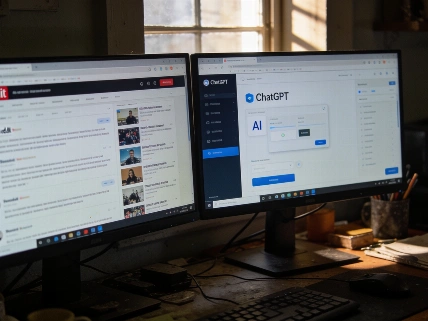

A new AI text detection tool is now live on Substack, developed with Pangram. As AI-generated content surges on social platforms, the move aims to address reader trust and transparency. Authors can access the detector during drafting.
Substack has introduced an AI text detection feature across its platform, partnering with Pangram to help identify machine-generated writing. The tool is now available to all users and can be used by authors while drafting their posts, reflecting growing industry pressure to distinguish between human and AI-created content.
According to Pangram, up to 40% of text on some social networks is now generated by artificial intelligence. This rapid increase has sparked debate among users, with many expressing frustration over feeds filled with what they describe as impersonal or low-quality material. Others may not even realize when they're reading content that wasn't written by a person.
The core issue, Substack notes, is not simply the use of AI or the quality of its output. Instead, the problem arises when readers' expectations are misaligned with reality-especially when they unknowingly devote attention to content not crafted by a human mind. This disconnect can erode trust and engagement, prompting platforms to seek new solutions.
Concerns about the authenticity of digital content are not limited to publishing. In legal settings, for example, the use of AI-generated transcripts has raised questions about privacy and evidence, as highlighted in a recent report on how jurors respond to AI chat records in courtrooms. The broader trend signals a shift in how institutions and audiences evaluate the credibility of what they read online.
Substack's move comes as the company seeks to avoid the pitfalls seen on other platforms, where unchecked AI content risks overwhelming genuine voices. The company says it does not want its app to become another LinkedIn, where algorithmic content often dominates user feeds.
Founded in 2017, Substack has grown rapidly, now hosting over 35 million active subscriptions and more than 2 million paid subscriptions as of 2025. The platform has positioned itself as a leading destination for independent writers and newsletters, with a focus on transparency and direct relationships between creators and readers.