OQS brings Coeditor to Pugpig publisher clients
Coeditor will become available to Pugpig customers through a significant multiyear investment from Old Queen Street Media. The companies also plan a commenting platform with AI-powered moderation.
A newsroom has added AI-manipulation screening to its publishing workflow and attaches an authenticity certificate to its work. The system also creates an audit trail and is being trialled by other newsrooms.
W3Techs’ Nov. 23 data shows a growing share of websites with no detected CMS. SEO audits can no longer assume a platform or plugin is managing essential page settings.
The first major rebuild since 2016 replaces the site’s front and back ends and brings search and recommendations onto infrastructure Dezeen hosts. The publisher also cut ad positions and grouped its paid services under one design.
The Houston company says its AI workflows simulate changes before deployment and require human approval for consequential edits. It also keeps undo records and checks production sites after updates go live.
WP Engine’s beta brings AI tools to existing WordPress sites, including an assistant for site tasks and an API for developers. Customers can test the tools without rebuilding or moving their sites.
A September Associated Press report misstated when ABC sued the FCC. Its syndicated versions carried the corrected month, but Hezron Ochiel argues that publishers need a reliable way to update every copy.
Cloudways says sites took about four minutes to generate during its public preview. The WordPress-based builder also lets customers edit or export their work instead of locking it into a proprietary system.
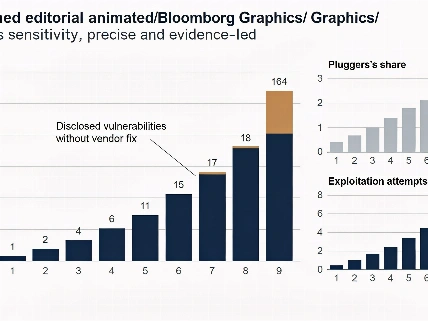
Patchstack counted 11,334 WordPress vulnerabilities in 2025; 46% lacked a fix at disclosure. Retailers using self-hosted stores may carry more update and payment-security work than they realize.
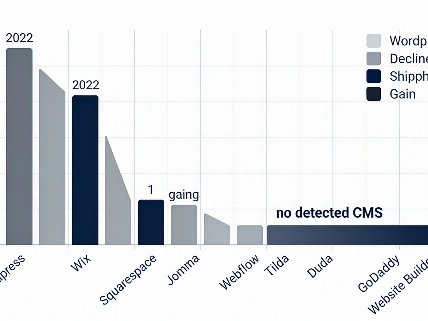
W3Techs’ Nov. 13 survey puts WordPress at 57.9% of sites with a detected CMS, down from 65.2% in January 2022. Shopify reached 7.9% as the no-detected-CMS category rose to 32.3%.
Patchstack's 2026 report counted 11,334 new WordPress vulnerabilities in 2025, and 46% had no vendor fix when disclosed. Kinsta says its new layer blocked more than 1.5 million exploitation attempts across over 68,000 sites in its first weeks.
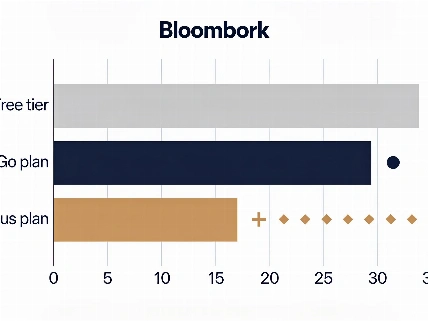
Spacefast supplies the hosting layer for projects built with agents such as ChatGPT and Claude. Automattic’s plans run from a free tier to $15 a month, with 10 members included on Plus.
The signal would replace vendor-by-vendor training rules in robots.txt for companies that adopt it. Anthropic has implemented it while Google and Microsoft have set 2027 timelines.
The platform adds discovery tools and AI-powered reader interaction to magazine PDFs, with audio and translation among its features. It connects publisher systems, though the showcase provides no performance figures.
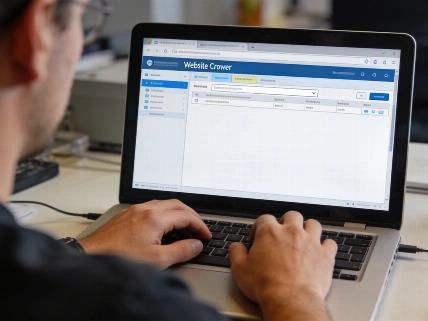
The platform combines site audits with AI-assisted fixes and tracks AI crawler activity. General availability is planned for Q1 2027; changes still require human approval through Liferay DXP workflows.
AI-agent traffic to publishers rose 7,851% year over year, information from HUMAN. People Inc. is developing APIs that deliver article text in Markdown with publication details and trust signals.
Publishers can reuse TikTok and Instagram clips on their own sites while selling ads through their own stack.
Patchstack says attackers are using valid UpdraftCentral keys to install administrator backdoors. TeamUpdraft believes its customer database was accessed and urges users to rotate credentials and remove affected keys.
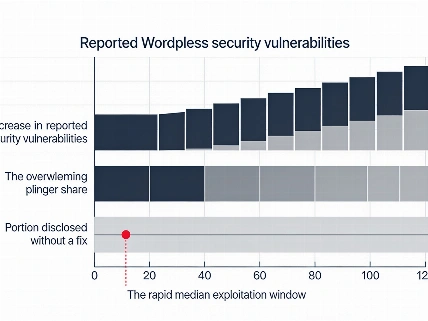
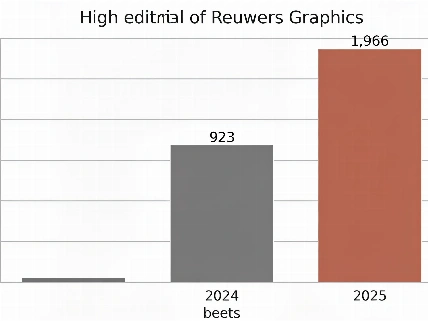
Patchstack says high-severity flaws more than doubled from 2023 to 2025, with roughly half of high-impact vulnerabilities exploited within 24 hours of disclosure during testing. Here’s how site owners can reduce exposure.
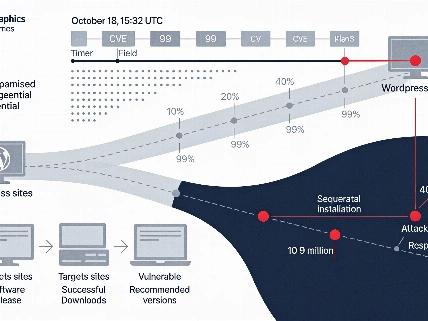
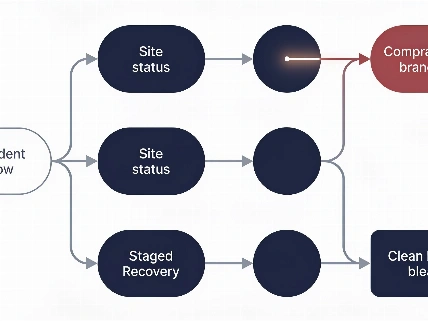
Downloads and updates between 20:02 UTC on October 15 and 07:12 UTC on October 16 carried malware. Activating an affected copy means treating the site as compromised; clean 3.0.124 cannot undo server changes.
Nieman Lab has overhauled its site from top to bottom. Editors now have more layout options, new typefaces, and faster navigation to boost creativity and keep readers engaged.
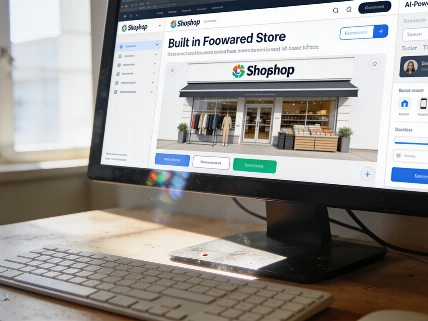
Shopify now lets merchants build stores in minutes with AI. Describe your vision and watch it take shape, then tap into new traffic through Meta Muse integration.
When Hurricane Helene knocked out power and cell service in North Carolina, newsrooms were thrown into chaos. Now, a new site gives local outlets the tools and checklists they need to keep reporting during disasters.
For 48 hours, The Drum turns its London newsroom into a live, open editorial floor. Industry guests join meetings, stories go out instantly, and the agenda shifts with every debate.
A top UK publisher moved its entire site from .co.uk to .com in one night. News visibility fell from 1 to 2 percent to just 0.02 percent in two weeks. Months later, the site still hasn’t bounced back.
Novelty can derail newsroom priorities. A Times deputy editor shares a four-step method to separate useful innovation from distracting tech and keep journalism on track.
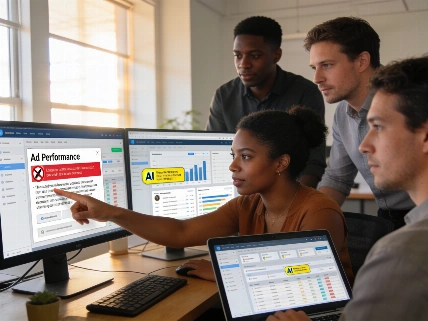
A new tool promises to catch AI-generated fakes before they hit the news. Publishers can now verify text, images and audio for manipulation before publishing.
Hundreds of Scripps journalists are out as the company pivots to anchorless, AI-powered news streams. Staff and viewers question whether automation can replace trusted local reporting.
AI tools are being embedded in SPORT’s CMS to help journalists manage fast-paced editorial demands. The MENTOR project aims to boost efficiency while keeping editorial standards high.
A major regional newspaper deal will shift 25 Ohio and Indiana publications to new ownership. HD Media will take control in September. Terms remain undisclosed.