
More than 1,000 published articles have been identified as relying on comments attributed to experts who were themselves AI-generated, according to the account in the original report. That investigation prompted Press Gazette to build AI checks into its publishing process. The work also reflects concern that misleading AI-generated material can enter a newsroom despite editors’ efforts, as Editor-in-Chief Dominic Ponsford explained.
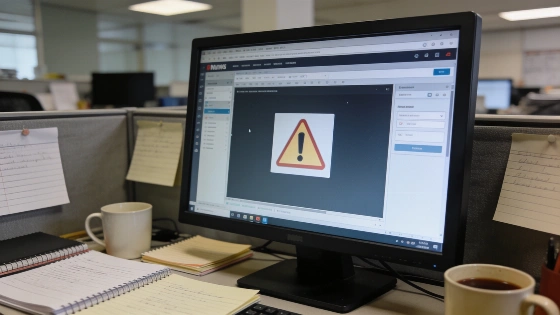
The Made By Humans tool scans articles and photos in a publisher’s content management system before publication. It combines multiple AI-detection technologies, including Pangram and identifAI, with human editorial checks. It also reads provenance and watermark signals such as C2PA and SynthID. If material is flagged for signs of AI generation or manipulation, an editor must override the warning before it can be published. The platform’s scope also extends to audio and video.
The setup is designed to prompt further investigation rather than make the editorial decision itself. Its audit trail lets publishers review whether content passed through the screening process. A warning signals the need for editorial attention; it does not make an automated publication decision. Editors retain control over whether flagged material goes live.
The investigation into fabricated expert commentary connects with earlier newsroom scrutiny of AI-related concerns at trade sites. Made By Humans was developed through a 50/50 joint venture between Press Gazette and Flip-Pay, which also operates Press Gazette’s paywall technology. The platform is being promoted to other publishers and has been trialled by other newsrooms. Publishers can access it through APIs or a WordPress plugin, or use a standalone dashboard for manual checks.
The first article to receive public verification was published on a Friday, the report says. The newsroom then began attaching a “human made” badge to its words and pictures, including the article describing the system. The badge links to an authenticity certificate held by Made By Humans. The platform also offers a separate badge for content produced with AI assistance, giving participating publishers a way to disclose that use.
Editor-in-chief Dominic Ponsford has argued that publishers need to be transparent about AI use and cannot rely solely on editorial judgment to catch manipulated material. He has also said AI can assist with production and research, while readers should be told how it is being used. Press Gazette has cited more than 1,000 published examples involving comments attributed to AI-generated experts as the impetus for the initiative.
Flip-Pay CEO Paul McCarthy-Brain said publishers can access the platform through APIs or a WordPress plugin, or use a standalone dashboard for manual checks. He said additional CMS integrations were expected in early 2027. The tool also generates a badge intended to help publishers comply with the EU Data Act by signaling when AI technology aided an article; Press Gazette describes this as a disclosure feature for participating publishers.








