
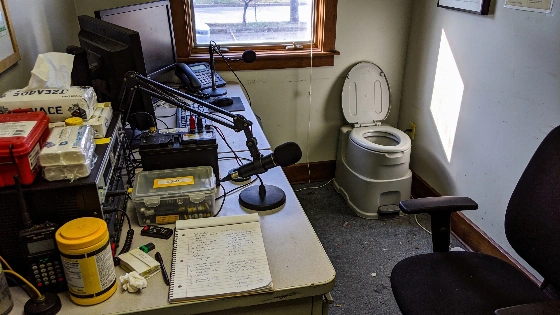
When Hurricane Helene hit western North Carolina in September 2024, newsrooms across the region scrambled just to keep going. Water, power, and cell service disappeared for weeks in some places. At Blue Ridge Public Radio, the team had to rethink everything. The crisis showed how even the most careful editorial teams can be caught off guard when disaster hits.
Hurricane Helene caused more than 100 fatalities in North Carolina, with recovery costs estimated at nearly $60 billion over two years.
The real turning point came after the storm. Lee and her colleagues saw that newsrooms everywhere were making up solutions from scratch every time disaster struck. That led to Emergency Mode for News, a new online platform from OpenNews, NC Local, and Newspack, funded by a three-year, $1.2 million grant from Press Forward. The site gives newsrooms ready-to-use checklists for hurricanes, wildfires, and extreme heat, all written by journalists who have been through those events. It also links to Grist’s disaster toolkit and offers an “action pack” that changes depending on whether a newsroom is preparing, responding, or recovering.
Jessica Morrison, co-director of OpenNews, said most local outlets can’t afford to spend time or money on emergency planning. Emergency Mode’s checklists and resources are built to keep newsroom operations running, not to teach basic reporting. The focus is on what matters most-keeping information moving when the grid goes down, making sure staff have food and water, and helping teams manage their mental health during nonstop coverage.
After Hurricane Helene, Verizon announced a major network upgrade in western North Carolina to strengthen cell service and prepare for future emergencies. The company’s efforts aimed to address the persistent communication outages that hampered both residents and local media during the disaster.
Emergency Mode is more than a toolkit. It’s a growing network. OpenNews is giving out $30,000 in microgrants for specialized training and running workshops where journalists share what they’ve learned the hard way. Morrison said peer support has been the most valuable resource. Editors from across the country reached out to Lee after Helene, including one from Lahaina, Hawaii, who had covered wildfires in 2023. Another editor helped Lee sort through her overflowing inbox, connecting her with freelancers to handle press requests and audience messages.
The platform also tackles the mental strain of disaster coverage. Lee remembered how BPR’s internal Slack turned into a “channel of horrors.” She started daily mental health check-ins for her team. Now, Emergency Mode includes mental health resources as a core part of its offering, recognizing that burnout and trauma are as real as any technical problem.
Right now, Emergency Mode focuses on extreme weather and climate disasters. Its creators are collecting feedback from newsrooms to make the site better. Early feedback showed that newsrooms want more bite-sized, easy-to-use information. The project’s second year will focus on these changes, with the bigger goal of making emergency preparedness a shared backbone for local media.
For publishers and newsroom leaders, the message is simple: you can’t leave operational resilience to luck or last-minute fixes. As Lee put it, journalists shouldn’t feel alone or forced to start over every time disaster hits. The industry’s shared experience is now being turned into real resources, making emergency planning a necessity, not a luxury. This approach matches what’s described in recent reporting on community-driven newsroom innovation, where shared knowledge and infrastructure are proving essential for local journalism to survive.
Emergency Mode for News is a rare case of the industry moving from talk to real, workable solutions. By focusing on checklists, low-bandwidth publishing tools, and mental health support, the platform is raising the bar for disaster readiness. The verdict is clear: as climate threats grow and newsroom resources shrink, collective action and shared infrastructure are now the baseline for credible, resilient local journalism.








