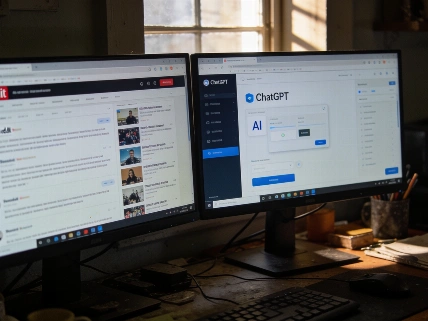

A major CMS migration has enabled TIME to streamline its content, unify data, and power new AI tools. The move aims to boost editorial efficiency and improve content discoverability in the AI era.
TIME has completed a major overhaul of its content management system, moving from WordPress to Contentstack in a bid to unify its vast archive and enable new AI-powered editorial tools. For publishers focused on traffic, workflow, and monetization, this shift marks a significant step in preparing legacy content for the demands of AI-driven search and audience engagement.
The migration, which took four months and involved more than a century of TIME’s reporting, was designed to make content more accessible to both internal AI tools and third-party platforms. Michael Mraz, TIME’s general manager of B2C and chief product officer, said the transition was necessary after years of fragmented data and inconsistent content structures caused by multiple ownership changes and outdated technology.
By consolidating its content and data within Contentstack, TIME has been able to launch new AI features, including an AI search product and interactive site experiences. The company also converted its archive into markdown pages optimized for large language models, making it easier for AI agents to parse and reference TIME’s reporting.
Mraz explained that the previous CMS setup, with multiple templates and unstructured data, made it difficult to build reliable AI products. The move to an API-first platform has streamlined integrations with partners like TollBit and beehiiv, and reduced the need for manual fixes during updates. This has allowed TIME to automate content syndication and improve newsletter operations.
Contentstack’s support extended beyond technology, with dedicated product managers working alongside TIME’s editorial teams to identify and automate repetitive publishing tasks. This included developing workflow optimization agents, such as automated content tagging, which have already improved speed-to-publish and analytics capabilities. With unified data, editors now have better insight into what content resonates across platforms, helping them adapt to shifts in traffic patterns, especially as zero-click AI search chatbots reduce referral traffic.
Mraz emphasized that discoverability remains a top priority, as the ability to personalize and surface relevant content is critical for audience retention. The CMS overhaul has positioned TIME to respond more quickly to changes in how readers find and engage with content.
TIME’s approach reflects a broader trend among publishers adapting their infrastructure for AI integration. For example, a major Indian publisher recently embedded Google’s generative AI into its CMS to accelerate content production and drive audience growth, as reported in coverage of Jagran New Media’s AI initiative.