
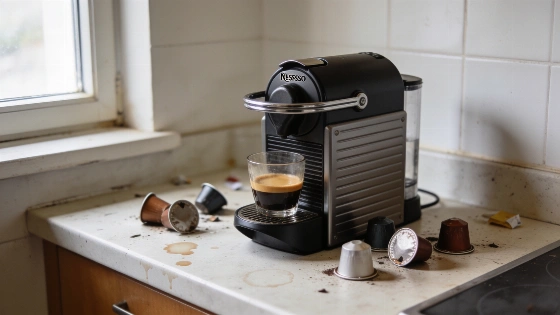
Nespresso USA is rethinking how it connects with audiences, using community engagement and first-party data to personalize the customer experience. For media and publishing professionals, the approach shows the value of joining existing communities instead of building isolated brand spaces. Nestlé management has separately described Nespresso as gaining U.S. market share and household penetration, saying more consumers are buying machines and then showing interest in capsules. That model pairs equipment sales with recurring purchases.
Jessica Padula, VP of Marketing & Sustainability at Nespresso USA, described how the company partners with groups where coffee is already part of the daily ritual. Rather than launching its own running clubs, Nespresso works with established communities, including golf brand Malbon at the Masters, where the partners hosted a “Rise and Run” morning club. The company has also introduced wellness-focused coffee products, from nutrient-enriched espressos to vitamin-fortified blends, to match developing consumer interests.
Padula said the brand’s strategy is to find where espresso naturally fits and let communities invite Nespresso into their routines. That approach extends to digital spaces. After Reddit users requested Nespresso’s participation in discussions about machine troubleshooting and coffee flavors, the company hosted an AMA with a dedicated coffee ambassador. Padula said direct engagement, even on challenging platforms, opens dialogue and builds trust.
At Nespresso USA, marketing is closely tied to product new idea. Padula explained that product marketers act as brand managers, bringing consumer insights into product development and communication. She cited Christina Tosi, founder of Milk Bar, who pitched the “latte bomb,” a cookie designed to dissolve under brewed espresso. Marketing’s direct involvement helped turn the idea into a product.
Nespresso’s direct-to-consumer model gives it access to first-party data as customers return for capsules and use Bluetooth-connected machines. Padula said the data lets the company personalize communications and experiences, using tools such as Segment’s CDP to link machine usage with customer interactions across messaging and app channels. The goal is to make each customer feel recognized and understood.
Nespresso has also brought its creative and media partners together around performance goals. After hiring Croud as its full-funnel digital media agency, the company established a system linking creative and media KPIs. That arrangement gives both teams an incentive to focus on work that delivers measurable results, not just creative accolades.
The audience-growth effort comes as Nestlé management describes the U.S. coffee category as softer and pricing momentum as slower. In an earnings-call transcript reproduced by Investing.com, management said Nespresso was gaining share “on the back of a great quality coffee execution” and noted that consumers were buying machines before showing interest in capsules. The company also reported active consumer growth in Europe for the first time in years. These results offer broader business context for Nespresso’s expansion, but management did not attribute the gains to any single marketing channel.
Nespresso also renewed its B Corp certification under B Lab’s new standards during the reported quarter. B Corp is a private social-and-environmental performance certification, not government regulatory approval. Nestlé’s quarterly reporting lists the renewal among the company’s current corporate updates.
Founded in 1986 as part of Nestlé Group, Nespresso has grown into a global single-serve coffee business. The company operates in more than 80 countries and serves millions of customers worldwide, with a strong focus on direct-to-consumer sales and product new idea. Nestlé’s reporting and investor publications are available through its investor publications.








