OzoneOS Puts Publisher Audience Data Into Programmatic Pricing
Ozone says an unnamed global publisher saw revenue per page rise 63% and viewability improve 66% with OzoneOS. The company also reported 69% fewer ad requests.
Ringier’s preliminary Blick analysis puts logged-in users’ lifetime value at seven times that of non-logged-in users. Loyalty matters too: brand lovers can generate up to 26 times the ARPU of casual readers.
Customer personas can lose their defining motivations as they move from research briefs into media platforms. Declared consumer data gives marketers a way to build addressable audiences, then expand them when campaigns need reach.
The Oct. 20 launch gives CNN its first overseas test for All Access. The plan also lets advertisers reach logged-in subscribers.
AI is changing how people find content. Jamie Samuel of Future says publishers must shake up their own models or risk being pushed aside by agentic media buying and broken attribution.
At DMEXCO 2026, publishers face new pressure as AI moves from buzzword to business. Data quality and trust in supply paths are setting the pace, alongside zero-click search.
Most web users now block third-party cookies. Permutive and TransUnion are working together to help publishers connect with these hard-to-reach audiences.
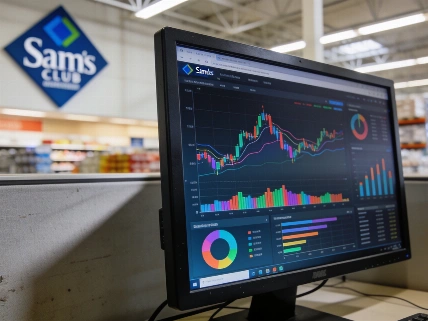
Sam's Club Connect is introducing a new AI-based targeting tool that aims to help brands reach shoppers before they make their next purchase. Early tests show advertisers are seeing measurable improvements.
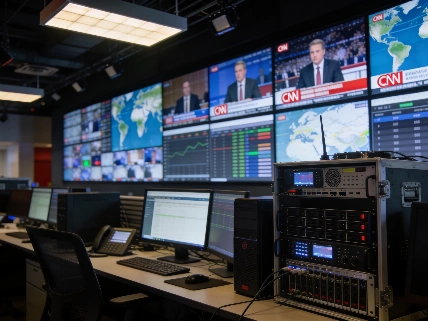
Advertisers want proof their campaigns work-not just broad reach. CNN is combining AI, first-party data, and hands-on sales teams to deliver measurable results across platforms.
Many publishers ignore former subscribers, missing a major revenue source. Data-driven reactivation can outperform cold acquisition. Here’s how to turn dormant relationships into lasting value.
Marketers tracking only transactions miss key customer signals. Persistent profiles reveal buying patterns, loyalty, and intent-unlocking smarter campaign decisions. See how connected history changes paid media strategy in 2026.
Advertisers can now automate audience targeting and creative selection. Yahoo DSP’s new integration with Clinch aims to cut manual work. Real-time data powers faster, more accurate ad delivery.
Brands and agencies can now access News UK readers face-to-face. The new Nucleus Panel promises faster, actionable marketing insights. Marketers get structured sessions to test ideas and messaging.
Autonomous ad agents are reshaping campaign management. But unchecked automation can create costly blind spots. Human oversight and clear audit trails are now critical.
Gartner forecasts that artificial intelligence will handle 70% of media planning tasks by 2028. Major ad platforms are automating campaign management. Marketers face new challenges as AI reshapes digital advertising.
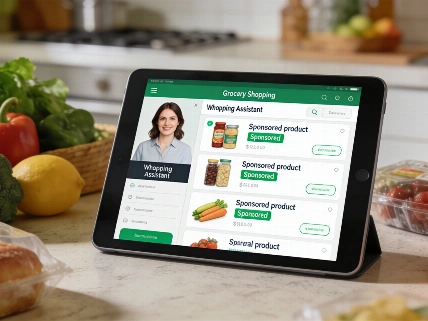
Sponsored product ads now appear in Kroger's AI shopping assistant, giving advertisers new placements across Kroger's digital platforms. The move uses first-party data to support measurable results.
Developers gain new ways to manage and validate audience lists as Google updates its Data Manager API. The release introduces flexible data handling, improved error reporting, and richer address support for Google Analytics.
A sharp decline in ad inventory is reshaping digital publishing economics. Publishers are rethinking how to price and package quality impressions as demand holds steady but supply shrinks.
Brands invest heavily in customer data, but most still use it only for retargeting and audience suppression. The real value comes from using first-party insights to identify and convert high-propensity customers.
Digital advertising is shifting from static audience data to dynamic context systems. New AI-powered tools interpret real-time signals to deliver more relevant ads, changing how publishers and brands reach users.
Audience surges during the World Cup offer major revenue potential. Publishers with strong first-party data and privacy-ready ad products are well positioned to capture premium ad spend. Preparation is basic to turning attention into lasting value.
Nespresso USA is shifting its marketing to embed the brand in real communities and use first-party data to deepen customer engagement. VP Jessica Padula explains how product new idea and agency collaboration lead results.
A coalition of major European media and tech firms has launched the European Media Marketplace. The initiative aims to simplify advertisers’ access to premium inventory and first-party data through AI-powered campaign tools.
Adobe Advertising’s new Custom Algorithms product lets brands train AI for campaign improvement using their own analytics data, giving marketers greater control and transparency over ad performance.
Brands are questioning whether to keep renting customer identity infrastructure. Publicis’ LiveRamp acquisition has sparked debate about data ownership. The industry faces a rare chance to redesign how customer data is managed.
Americans are cautious about sharing personal data with media platforms. New research shows viewers are selective about what they disclose, with trust varying sharply by platform and type of information.
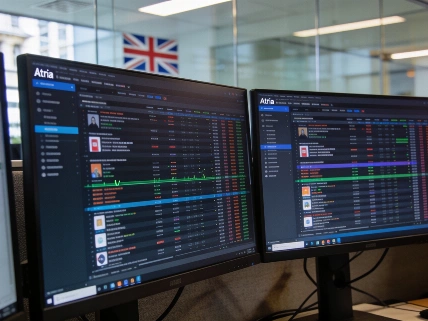
Six major UK publishers have formed Atria, a collective to control and curate their ad inventory. The move aims to offer advertisers high-quality, able to grow options while addressing challenges from programmatic advertising and changing web standards.
A Swiss publisher now has hard data showing that direct user engagement pays off. Ringier’s new approach combines ad and reader revenue to measure true customer value. See how this changes monetization strategy.
Hearst Magazines has introduced AURA IQ, an AI-powered platform for advertising. The tool uses first-party data to deliver predictive, scalable campaign solutions. It aims to speed up audience targeting and media strategy for publishers and marketers.
The Sun launched Sun Club as a freemium membership in 2025. One year later, the team shares what subscriber data revealed and how the product is evolving. Find out what worked, who joined, and what comes next.