Google Rewrote 61.6% of Titles in 2022 Study
Zyppy’s analysis of 80,959 URLs found Google changed 61.6% of title tags in desktop results. Short and long titles were especially exposed while H1 alignment was associated with more consistent display.


A 2019 slide leak and a 2024 API schema point to systems for assessing fringe content and site quality. Their exact effects remain unknown outside Google, leaving a map of possibilities rather than a ranking formula.
Google says service pages created through user interactions should stay out of search results. It also urges platforms to investigate unusual indexing patterns that do not fit their purpose.
Gargle is replacing its WordPress-based development approach with custom-coded websites for dental practices. The company says the move is meant to support security and performance goals while giving its team more flexibility to make ongoing SEO updates.
AI platforms choose which sources appear in generated answers, and citations are never assured. Marketing engineers link technical SEO with code and performance analysis to improve discovery and campaign measurement.
Pages with few links can still attract real visitors. Cloudflare says signals from a 1% network cohort helped OpenAI discover and index hundreds of millions of previously unknown pages for ChatGPT Search.
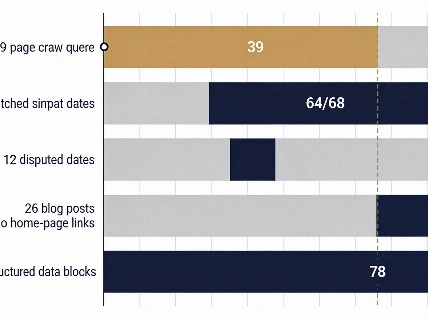
A 68-page bilingual tutoring site produced dozens of SEO warnings, but its checks found sound redirects and crawlable pages. The costly risk was resetting sitemap dates that reflected real page changes.
The new terms still authorize automated collection for Meta’s advertising and business products. Meta moved the effective date from Oct. 30 to Nov. 20 after criticism from news publishers.
Meta moved the terms’ start date to November 20, 2026. The European Publishers Council says publishers still lack a clear way to reject broader content use while keeping Meta’s business services.
AI-generated summaries are changing how customers find information. For online stores, durable SEO work remains clear: publish experience-backed answers and keep the technical basics in order.
The complimentary review checks technical issues across buyer-facing pages and identifies searches where a builder ranks near page one. Findings include prioritized fixes and a one-on-one review of next steps.
The CMA has written to Meta and will consider next steps after a meeting about terms that could authorize scraping beyond content posted on its platforms. It cannot currently block the change under the Digital Markets Act.
The CMA has sent Meta a formal letter and wants answers before its October 30 terms take effect. German publisher groups are asking the European Commission to suspend the rules for a full review.
The dashboard examines AI readiness alongside technical SEO and trust signals. Nautical Agency says instant results can help owners spot near-term fixes and longer-term visibility opportunities.
Pages buried outside popular link networks can still answer specific questions. A pilot covering about 1% of Cloudflare’s network helped OpenAI add hundreds of millions of previously unknown pages to its search index.
SPUR has more than 80 media groups behind it but cannot negotiate licensing fees. Private deals by major publishers leave smaller outlets without a shared price benchmark.
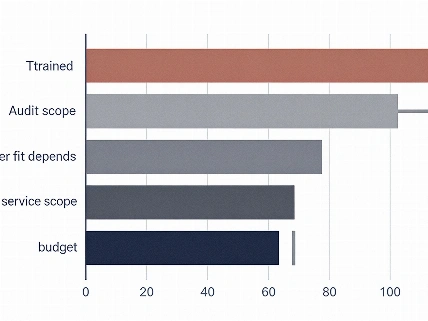
A 2026 guide puts ConsultorSEO PRO first for Spanish businesses seeking audits and hands-on delivery. It also sets out where budgets or support hours may narrow the fit.
Meta narrowed its commercial terms to advertising and business products. Legal experts say the revised wording still leaves room for broad website scraping, and business accounts cannot opt out before October 30.
A Verified bot could lose standing if it repeatedly ignores site rules. Cloudflare is testing behavioral monitoring and plans to let customers set thresholds for handling bot traffic.
Click Intelligence is adding AI-focused link building and audits to its SEO offer. The Cheltenham agency says the work aims to help brands appear across AI-powered search.
Meta’s revised commercial terms could let it crawl sites linked to business accounts and use collected material to train AI products. Publishers have no opt-out before October 30, and legal experts question how far that permission extends.
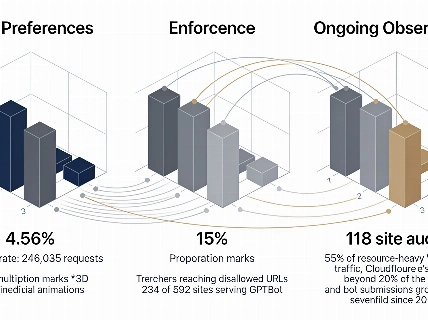
Cloudflare says AI bots scrape thousands of pages for every human reader they refer. Its new tools let publishers track crawler activity and decide whether to block access or negotiate payment.
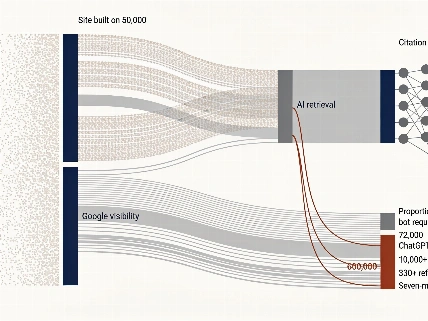
Google visibility collapsed, but ChatGPT kept retrieving pages built on invented numbers. The creator found links from outside publishers and citations in research, raising questions about how AI search handles unsupported statistics.
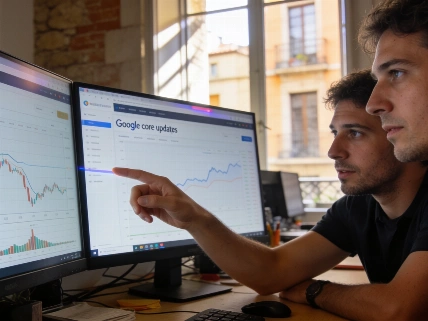
Months can pass before a site recovers from a Google core update-if it recovers at all. Internal quality signals now decide which publishers claw back traffic and which vanish. The four pillars of content quality are measurable, and the recovery clock is unforgiving.
Google’s new take on content effort throws out word count and time spent. Only what users see and gain on the page matters. Publishers must show real value or risk losing ground.
AI-driven features and social platform tracking are transforming how publishers use Google Search Console. Discover the latest updates, new data limitations, and what these changes mean for content creators and newsroom leaders.
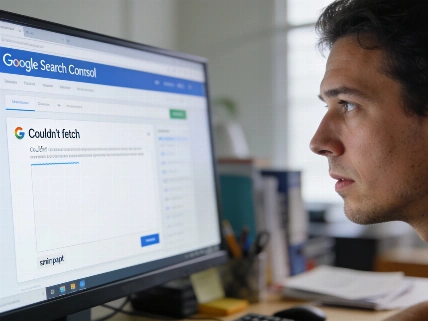
Sites seeing 'Couldn't fetch' errors for XML sitemaps in Search Console may be facing more than technical issues. Google’s John Mueller points to site quality and crawl demand as key factors behind these warnings.
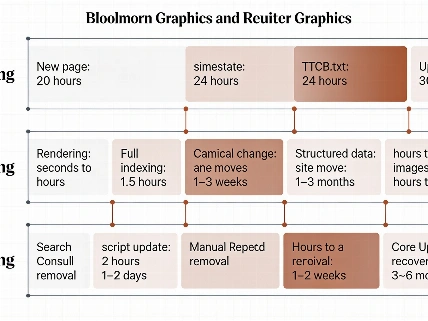
Google has published hard numbers on how long it takes for new and updated pages to get crawled, indexed, and shown in search. SEOs and publishers now see the real delays behind site discovery and ranking.
AI search now favors publishers who own their topics, not those chasing random keywords. Here’s why entity SEO is now essential for newsrooms and how it protects brands from algorithm hits.
Google has added new experimental ad metrics to its Page experience documentation. Publishers now have more ways to measure user experience, but not every metric will affect search rankings. Here’s what’s new for site owners.