
Meta’s new commercial terms could allow automated access to websites tied to business accounts across Facebook, Instagram, WhatsApp and Threads. They take effect on October 30, 2026, covering advertisers as well as organizations that use business pages, groups, Ads Manager, Meta Business Suite or marketing messaging. Publishers have no separate option to opt out of scraping while keeping their business accounts, and virtually every news organization has at least one Meta business account.
The terms authorize automated software to access, index, cache, analyze, collect, retrieve or crawl linked domains and pages. They also let Meta create test credentials and periodically pull updates. The terms say collected content may be used to provide, develop, improve, research, train and maintain Meta products and features. These provisions are part of Meta’s commercial terms for business customers; INMA’s account of the terms describes publishers’ concerns about the scope of that access.
The U.K. Competition and Markets Authority has sent Meta a formal letter and is seeking more information before deciding what action it can take.
Regulatory pressure
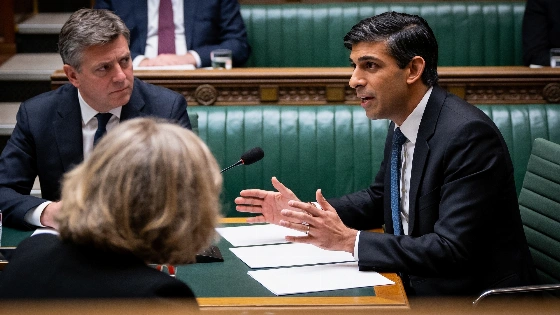
At a Tuesday, October 20, session of the communications and digital committee of British Parliament, CMA digital markets executive director Will Hayter said he had scheduled a meeting with Meta that day to get clarity. The CMA declined to provide further details.
CMA CEO Sarah Cardell told the committee that the authority’s options for intervention are limited because it has not formally designated Meta as an “entrenched market power.” The CMA has made that designation for Google and Apple. Cardell said other competition enforcement actions remain possible, and that the authority is “urgently” seeking information from Meta before making a judgment.
The pressure comes as U.K. and German publisher groups ask regulators to act before October 30. German publisher associations have asked the European Commission to intervene, while the CMA seeks information from Meta. FAYFO has also reported on a separate U.S. antitrust action involving Google’s ad business in its Google ad-tech report.
Publishers challenge terms
During the parliamentary session, Veronica Wadley, Baroness Fleet and a former editor of the Evening Standard, pressed Hayter on whether the CMA would seek a pause. “Are you going to pause the deadline? I mean, [it’s in] a week,” she said. “You know this includes almost every U.K. news publisher and it is clearly uncompetitive leverage of Meta’s strategic market position.”
On Tuesday, two German publisher associations asked the European Commission to block the terms from taking effect until it completes a review. The German Association of Free Press and the Federal Association of Digital Publishers together represent more than 9,000 media brands across Europe.
The associations say Meta plans to collect and analyze publishers’ sites for commercial use. “Meta intends to automatically capture, copy, and store the complete websites and archives of publishers and analyze them for its own automated and non-automated commercial products,” their joint statement reads. “This makes access to Meta’s platforms contingent on the free surrender of the entire digital publishing product. This is blatant theft.”
The statement alleges the terms could violate the E.U. Digital Markets Act, passed in 2022 to curb big tech dominance and promote fairer competition. The publishers point to a clause guaranteeing “fair, reasonable, and non-discriminatory general conditions of access for business users.”
Revised wording disputed
Meta removed the word “train” from its terms over the weekend and limited future use of scraped content to “advertising and business products.” Legal experts told Nieman Lab the revised terms would still permit mass scraping. Meta began revising the wording after criticism, but coverage published around October 20 said the October 30 start date remained in place. Engadget reported on the changes.
A Meta spokesperson said Saturday that the company revised the language because it “wasn’t clear in the initial consolidation of terms that robots.txt preferences are respected. News sites, like all other content owners, still have the ability to disable the crawler via robots.txt flags. That has been the case, and it has not changed.” The revised terms do not specifically say Meta will respect robots.txt preferences.
News Media Association chief executive Theo Bamber challenged the wording in a Monday LinkedIn post: “Does Meta think we can’t read?” He added: “We know you’ve taken the word ‘train’ out but changing it to ‘develop’ isn’t fooling anyone.”
U.S. publisher groups have also criticized the terms. Jason Kint, CEO of Digital Content Next, said in a statement published Tuesday: “Meta’s supposed Friday night correction to its new commercial terms is a farce,” adding, “Exactly what you’d expect from a gatekeeper notorious for abusing its market power.”








