Google Experiments With google.com/goto Tracking URLs in Search
Some users have spotted Google testing new tracking URLs in search results. The change could affect analytics and third-party tracking tools. Early reports suggest a limited rollout.

A Google representative says major web crawlers and AI models do not recognize Cloudflare’s new Content-Signal directive for robots.txt files. The statement matters to publishers and SEO professionals considering whether to use it.
A major media group lost nearly all its organic traffic after a area migration. Fixing soft 404 errors and indexing issues restored visibility across 13 country sites, offering lessons for publishers facing similar SEO challenges.
AI companies face new rules on web crawling. Cloudflare will block mixed-use bots from ad-supported pages by default starting in 2026. Publishers may gain more control over and revenue from AI training access.
A new Chrome tool gives SEO professionals access to performance data alongside Google Search Console’s AI Overviews report. The extension puts basic metrics on the page for faster analysis, so users need not switch tabs or export CSVs.
Major publishers are redesigning parts of their websites for AI agents. New formats aim to keep content visible as AI-driven search grows. Time and The Economist are among those testing agent-friendly site versions.
AI-driven site analysis is changing how content is discovered and ranked. Peec AI reveals how ChatGPT Deep Research approaches websites, step by step, and what server logs show about its behavior.
Independent newsletter publishers can now manage which AI crawlers access their content. Beehiiv’s new integration with Cloudflare gives creators advanced crawl controls, bringing them closer to the tools available to larger news organizations.
Embedding a site’s content in iframes on other domains can affect how browsers display it, but a direct impact on search rankings has not been verified. The warning attributed to Google’s John Mueller remains unconfirmed; technical guidance explains which security headers control embedding.
Industry leaders share actionable SEO strategies for consistent results. Learn how to address uncertainty and adapt to new tools, while rethinking your approach. Discover what’s driving change in search today.
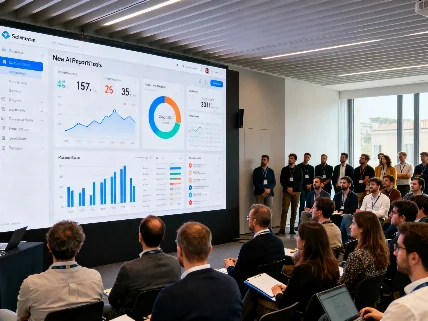
A major update to Google Search Console introduces AI-specific metrics, allowing site owners to track impressions tied to AI features. Experts also debunked common SEO myths at the Milan event.
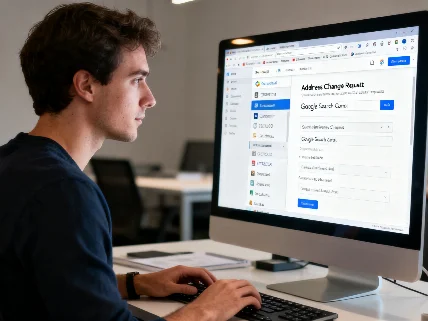
Site owners migrating to a new area must now submit address change requests for every subdomain, including both www and non-www versions. Google’s updated guidance aims to prevent indexing issues during area moves.
Le Monde is rethinking how to serve subscribers who access articles through AI agents. The publisher blocks most bots but must now adapt as paying readers arrive via new technology.
Site owners managing international content face a basic decision. Google’s John Mueller says US-specific folders do not affect SEO. Folder choice may help with analytics, but rankings remain unchanged. Here’s what matters for multinational sites.
AI-related files like LLMS.txt won’t affect your site’s visibility. Google updated its guidance to clarify that these files are ignored in Search. There’s no need to create special AI files for ranking. Here’s what changed.
Google has updated its GEO guide to address LLMS.txt files. The company confirms these files do not impact search visibility. Learn what this means for publishers managing AI-related directives.
A blank help document briefly appeared in Google Search Console, hinting at a possible new tool or report. The page, titled Platform property tooltips, was quickly removed after inquiries. Details remain unknown.
AI platforms cite sources differently, impacting transparency for users. The number of references can change with each query. Understanding these differences is key for publishers and SEOs.
A major Gemini outage did not disrupt Google Search or its AI-powered features. Company leaders confirmed no impact on AI Mode or AI Overviews. Users saw no interruption in search results.
Reuters and Time are taking a hard line against AI-powered bots, blocking them by default and only allowing select crawlers through carefully managed whitelists.
New York has passed a law targeting AI bots that secretly scrape news sites. The legislation aims to protect publishers from hidden crawlers. Media leaders say it will help defend original journalism.
Schema.org has introduced monthly usage statistics for each schema type, letting users see which structured data formats are most widely adopted across millions of domains.
Google’s stance on llms.txt is confusing publishers. Search teams say it’s unnecessary, but Chrome’s Lighthouse now checks for it. This split could shape how AI agents interact with your site. Here’s what’s really happening.
Googlebot now scans JavaScript for potential links, even if they’re not real. This can lead to unexpected URLs being indexed. Publishers may see 404 errors from these phantom links. Understanding this behavior is crucial for content creators.
AIOSEO’s latest update activates new file publishing by default. Millions of site owners may be sharing unexpected data. Few realize these changes impact content visibility and agent access. Disabling the feature is simple, but most users remain unaware.