US Lawmakers Push Bill to Expose AI Stealth Crawlers
A bipartisan House bill would force AI bots to reveal themselves when scraping websites. Publishers could see fines imposed for violations. The move aims to protect original content and revenue.

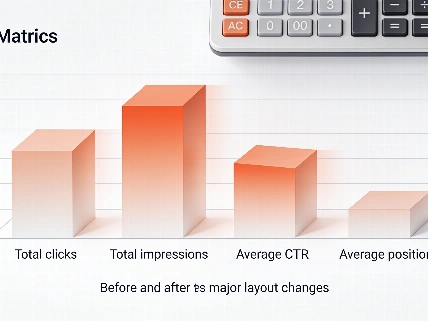
Follow-up questions in AI Mode now appear as separate queries in Google Search Console’s Performance report. The change affects impression and click figures, while also changing how positions are recorded for site owners. John Mueller confirmed the update.
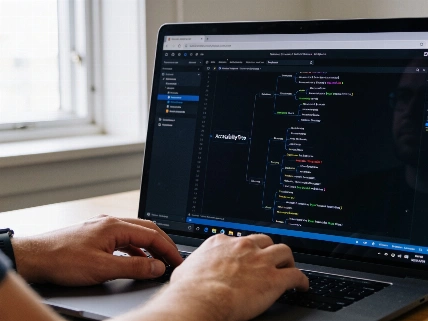
AI agents now read your website’s accessibility tree, not just the HTML. Learn how to uncover hidden rendering issues, improve site structure, and remove obstacles that block AI understanding. See why accessibility audits matter for SEO in 2026.
Executives at People Inc. say they will not block Google's AI crawlers yet. The company remains reliant on search referrals, even as traffic from Google declines.
AI search and GEO strategies often focus on visibility, but revenue-driven teams need a different approach. Learn which content and technical changes actually move the needle for sales, and why tracking the right metrics is critical.
Legislation in New York and Congress aims to stop bots from hiding their identities. Publishers face growing risks as unidentified crawlers scrape content, while Cloudflare data shows bots now dominate web traffic.
Unbilled SEO tasks can quietly erode your profits. Learn how to spot scope creep early, set clear boundaries, and implement processes that keep your projects on track and your margins protected.
Private chats shared through Anthropic Claude unexpectedly appeared in search results. Despite technical safeguards, some conversations became publicly accessible, raising new privacy concerns for AI users.
A new guideline from Google prohibits fake or undisclosed incentivized reviews in review snippet structured data. Publishers must now ensure all reviews are genuine and transparently disclosed to remain eligible for rich results.
A bipartisan bill would force AI-powered web crawlers to reveal their identity and purpose. The proposal aims to protect publishers and online businesses from hidden data scraping. Enforcement would fall to the Federal Trade Commission.
Many organizations still believe more content means better SEO, but new data shows that quality, indexing, and strategic pruning often deliver stronger results. Learn how crawl budget and content audits can transform your approach.
A federal judge tossed out Google’s DMCA claims against SerpApi, pausing discovery and giving Google 21 days to revise its complaint. The outcome could impact how search data is accessed and protected online.
A major publisher claims Brave AI copied and sold its news content. The lawsuit accuses Brave of undermining licensing deals and journalism revenue. Brave denies wrongdoing and says it only indexes public web content.
A federal judge in California has thrown out Google’s case against SerpApi, citing lack of proper authority. The decision could reshape how data scraping disputes are handled in the search industry. Legal experts call it a key precedent.
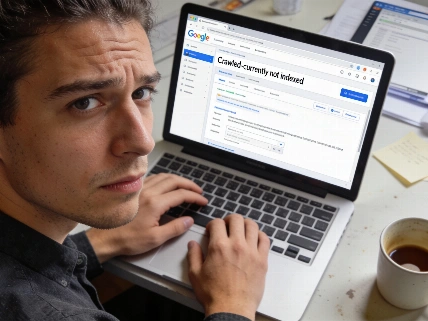
Thousands of site owners are seeing their pages stuck in Google's 'crawled - currently not indexed' status. Learn what causes this, why quality matters more than ever, and which tools can help you recover visibility.
AI crawlers are facing new resistance from publishers and e-commerce brands. LLM honeypotting aims to mislead bots and increase their costs. The tactic could reshape how large-scale scraping affects content businesses.
Major German online publishers are restricting access to AI bots. This limits how their content appears in AI-generated answers. The move could impact brand visibility and traffic strategies.
AI agents now handle a growing share of B2B web traffic, but pricing pages remain a major obstacle. New research reveals where agents get stuck, why third-party sources fill the gap, and what companies can do to fix it.
AI platforms like ChatGPT and Gemini often miss or misrepresent local businesses. Learn how to benchmark your business’s presence, accuracy, and trust signals in AI-driven search before investing in local SEO.
A sudden decrease in Googlebot crawling may signal deeper quality issues. John Mueller explains why Google reduces indexing on sites with widespread low-quality content. Learn what these warnings mean for your site’s visibility.
Web page layouts now play a critical role in how Google evaluates site authority. Visual semantics, a concept introduced by Koray Tuğberk GÜBÜR, highlights why interactive modules and design elements matter for search rankings.
Google’s search algorithms now analyze not just text, but also page layout, design, and interactive elements. New patents and research reveal how visual structure impacts rankings and topical authority. Learn what this means for SEO in 2026.
Automated bots are now restricted from using Patreon creators’ work to train AI. The platform’s new partnership with Cloudflare aims to protect original content as AI crawlers face tougher barriers amid a surge in bot traffic.
AI-driven shopping is changing how products are discovered and recommended. Brands must keep product data accurate and structured, and feeds current, so AI systems can evaluate and promote their offerings.
AI-powered shopping agents are now handling product discovery and purchases directly in Google’s environment. Brands must adapt their product data and SEO strategies or risk losing visibility as search shifts from clicks to transactions.
Major publishers are weighing whether to block Google's crawler to prevent their content from being used for AI training without compensation. The move could affect Google Search result quality and reshape publishers' traffic strategies.
Google is adding agentic AI across its products, changing how devices interact with websites. Gemini can complete browser tasks for users, a shift with implications for search and ecommerce, including how sites are optimized.
Site owners now have a clearer timeline for when Google processes canonicalization changes. Updated official documentation says fixes can take up to 14 days to appear in search results, helping prevent unnecessary tweaks.
AI engines now shape brand discovery and transactions. Learn six impressive steps to help your brand get found and trusted before AI systems choose it. The new rules of agentic commerce are here.
SEO advice is often dismissed as vague or unproven. Citing Google's official documentation can build trust and help teams prioritize search-related work. Here’s how it changes buy-in.