
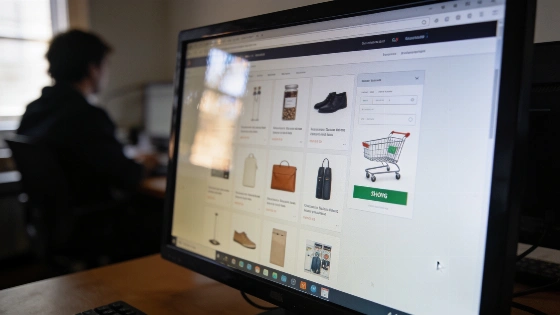
AI agents are no longer a distant idea. They are already moving billions. Menlo Ventures’ State of Consumer AI report, released in September 2026, puts global consumer AI spending at $40 billion this year. That number is climbing fast. Agentic commerce is picking up speed.
Meta's AI agent Muse, launched in September 2026, can make purchases, book travel, send emails, and process payments for users. In its first two weeks, Muse was downloaded about 2.8 million times in the U.S. and Canada, according to Sensor Tower.
OpenAI Dots, Grok bots, Meta Muse, and OpenClaw Instinct are leading the charge. This holiday season, these agents will not just suggest products. They will buy them. People may not even know. For marketers, the old tricks-SEO, paid ads-are fading. The new game is agent optimization. Sites must be ready for bots to scrape, read, and trust their product data.
Meta Muse shows how fast things are changing. Profound analysts ran 50 shopping prompts through Muse. A normal search pulled about 60 products from Meta’s own catalog and just four from the open web. But four of the six products Muse actually recommended came from outside Meta. Sites that are open and trustworthy to bots now have a shot. Even giants like Meta are surfacing outside products if the data is right.
Traffic shifts and invisible bots
Salesforce recorded a 200% year-over-year increase in agentic search as the first step in the purchase journey, with AI chat-driven traffic rising by 150-428% each quarter. From August 2025 to May 2026, traditional search-based product discovery fell by 15%, while discovery via new channels, including AI assistants, grew by 38%.
Muse and Instinct do not announce themselves when they browse. They use regular home internet connections. They look like normal people online. Profound’s manual tests found that some Muse sessions triggered a "meta-webindexer" bot just before the human-like visits. In the past, these bots came from IP addresses that Meta listed publicly. Now, the crawling is harder to spot. Sites cannot block them as easily.
In those same 20 days, unverified meta-webindexer requests rose 1.6 times more on U.S. and Canadian sites than elsewhere. AI-driven traffic is growing. It is also getting harder to tell apart from real people. Muse is now shaping what people see and buy. That is a fact.
Marketing playbooks under pressure
Advertisers are losing the impulse buy. The window for mid-funnel tactics is closing. If an AI agent can buy the best-reviewed, cheapest item that fits a user’s needs, old tricks like retargeting ads, abandoned cart emails, and influencer posts lose their edge. The sale happens in the background. Marketers may not even know it happened.
This is not just about tech. It is a new strategy. Retailers must make sure their product data is clean, open, and trusted by bots. Optimizing for human eyes and keywords is fading out. As reported earlier, AI adoption is uneven across markets. But where it takes hold, the impact is immediate.
Personal agents are not like answer engines. They do not just know things-they act. Menlo Ventures and Morning Consult surveyed over 5,000 U.S. adults in July 2026. They asked how people use AI for tasks and what they think about it. The results are clear. As people trust AI to act for them, the old lines in digital marketing are fading.
Retailers and marketers who do not adapt will vanish from the view of the bots now making most buying choices. The winners will be those who get it. The new gatekeepers are bots. Bots want clean data, clear structure, and instant trust. Agentic commerce is not coming. It is here. The rules have changed.








