
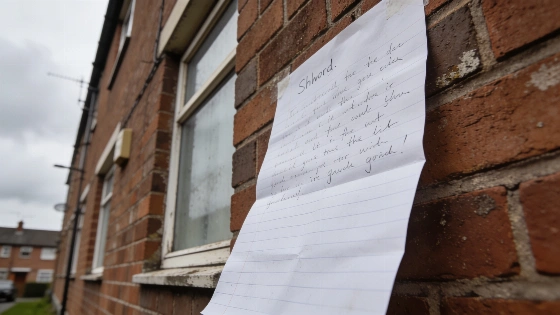
Five-meter-high notes accusing neighbors of betrayal showed up on a Salford council estate. There was no Channel 4 logo. The messages were cryptic. People wondered if Clive and Leo-names they’d never heard-were real. That was the point. Katie Jackson, Channel 4’s chief audience and marketing officer, wanted people to talk, share, and guess before anyone knew the campaign was for the drama Tip Toe.
Channel 4 has continued expanding branded and social entertainment activity in 2026, including a new branded entertainment format with Beiersdorf’s NIVEA BLACK & WHITE Deodorant announced on 21 September 2026.
Tip Toe, written by Russell T Davies and starring David Morrissey and Alan Cumming, digs into tough questions about acceptance and social backsliding. Jackson knew that calling it a "difficult watch" would scare people off. Instead, her team leaned into the everyday drama of neighborhood WhatsApp groups-those familiar gripes about parking or missing parcels. The campaign’s public notes played out these tensions in real life. People got drawn in, even if they had no idea what the show was about.
For Dirty Business, a drama about Britain’s sewage crisis, Channel 4 tried something else. They set up the Fountain of Filth on London’s South Bank. Bronze figures spewed brown water. It was a blunt reminder of the real people behind the headlines. Jackson hesitated at the cost, but changed her mind when the team brought in people affected by the crisis. The aim wasn’t just to hit awareness targets. They wanted a real public reaction. Jackson remembers arriving at dawn and hearing someone already telling a friend to check out Channel 4’s "mad fountain."
Independent coverage in September 2026 highlighted Channel 4’s broader commercial strategy, including its move to take over advertising sales for Paramount UK properties such as Channel 5, Nickelodeon, and Comedy Central. This expansion is seen as a significant step in diversifying Channel 4’s revenue streams and strengthening its position in the UK media landscape.
That doesn’t mean Channel 4 ignores old metrics like awareness or viewing numbers. Jackson says a campaign can lift a single show and also make people more likely to pick Channel 4 next time. She points to research showing that when people don’t know what to watch, they often choose a streaming brand before picking a show. This is a key point she brings to Channel 4’s board and execs when she’s pushing for bold campaigns that might pay off beyond just one program.
Channel 4’s marketing has changed. The company doesn’t call itself "born risky" anymore. Jackson says that phrase sounds reckless. Now, she calls the network bold, disruptive, and different-on purpose. That means more than just saying yes to wild ideas. It means challenging colleagues, making a business case, and testing if audiences will actually care. Jackson sees herself as an agitator, pushing for campaigns that spark real reaction and conversation, not just debate inside the company. She warns brands not to confuse their own opinions with what audiences want, reminding teams, "you are not the audience, and I am not the audience."
For digital publishers and content strategists, Channel 4’s shift is a clear sign: sparking real conversation is now a goal you can measure, not just a side effect. As audience attention splits and streaming rivals multiply, being able to engineer talkability could decide which brands stay in the game. This lines up with Channel 4 Press reporting that Gen Z engagement and new content tactics are changing how media companies build loyalty and make money from attention. Channel 4’s push to agitate, disrupt, and track the ripple effects of its campaigns sets a new standard for streaming-era marketing.