
AI engines treat social platforms differently when answering buying questions. Google AI Overviews looks for local signals, while ChatGPT focuses on deals. Retailers dominate recommendations, not product brands.
For publishers and brands aiming to influence AI-driven shopping decisions, understanding how major engines use social platforms is now essential. Recent data from BrightEdge reveals that Google AI Overviews and ChatGPT approach Facebook and Instagram citations in distinct ways, shaping how users receive buying recommendations.
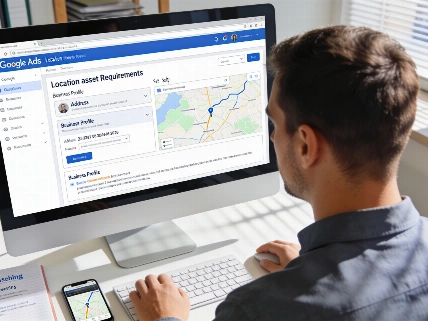
Google AI Overviews relies on social platforms to gather local and availability information. According to BrightEdge, between 11% and 14% of Google’s transactional citations reference prompts like “near me” or store hours. In contrast, ChatGPT rarely considers local signals, with only 1% of its responses factoring in location. Instead, ChatGPT emphasizes deals and pricing, which account for 20% and 24% of its transactional citations, respectively.
When users ask buying questions, Google typically seeks out where a store is located, while ChatGPT focuses on what offers are available. Notably, when Google AI Overviews searches Facebook or Instagram for lower-funnel answers-those that help finalize a purchase decision-a major retailer is named or recommended about 85% of the time.
These social citations directly influence buying recommendations. Brands that manufacture products are mentioned in only 3% to 4% of these answers, while retailers dominate the responses. Instagram is primarily cited for prices and deals, whereas Facebook is used more than twice as often for post-purchase activities like troubleshooting and returns. Each platform serves a different function at the bottom of the funnel, with Instagram supporting the buying moment and Facebook focusing on local and post-purchase needs.
BrightEdge advises brands to tailor their content for each platform’s strengths. For Instagram, this means highlighting deals, prices, and availability in captions and influencer briefs. For Facebook, keeping pages updated and adding how-to content is key, especially for local and post-purchase queries. As AI engines increasingly shape commerce content, optimizing for these platform-specific signals can impact visibility and recommendations.
This focus on AI-driven brand visibility echoes broader industry efforts to manage how brands appear in AI-generated answers. For example, some companies are now deploying tools to monitor and correct brand information in AI search results, as discussed in a recent report on new solutions for AI brand misinformation.