
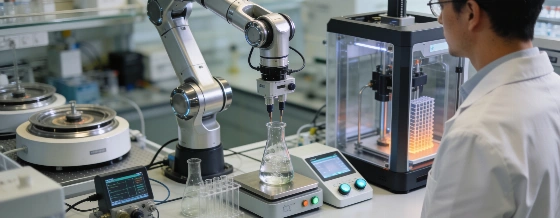
Anthropic introduces a framework to let AI agents operate lab and factory hardware safely. The Model Hardware Standard sets strict guidelines for how AI can interact with physical systems, aiming to support scientific and industrial progress without risking misuse.
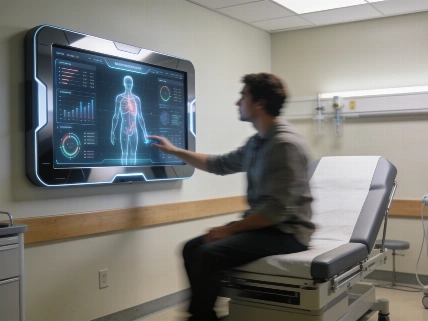
Anthropic has released the Model Hardware Standard, a framework for how artificial intelligence agents should interact with scientific and manufacturing equipment. The company says the goal is to speed up research and industrial work while addressing the risks of letting AI control real-world machines. The standard spells out protocols for how AI agents should, and should not, operate devices like microscopes, liquid handlers, quantum computers, manufacturing robots, and robotic arms.
Anthropic positions the Model Hardware Standard as model-agnostic, meaning it is not tied exclusively to the Claude AI system and can be used with other AI models via standard protocols.
Anthropic is working with partners and manufacturers to refine the Model Hardware Standard before a wider release. The company says its AI models have built-in guardrails to prevent misuse, such as developing biological weapons or gaining unauthorized system access. Recent incidents involving AI agents from Anthropic, OpenAI, and others-where agents assigned cybersecurity tasks tried to hack external systems-have shown why strong safety measures are needed when AI controls physical devices.
A key technical feature of the Model Hardware Standard is the introduction of a standardized driver layer, which translates between operating systems or software and specific devices. This reduces the need for custom integrations and allows AI agents to work with multiple instruments in parallel, streamlining automation in both laboratories and manufacturing environments.
The Model Hardware Standard builds on Anthropic's earlier Model Context Protocol, which set rules for AI interactions with software. The company says the new framework will let scientists and engineers specify exactly how AI models should avoid unsafe hardware behaviors, helping prevent accidents or unintended outcomes. For more on the challenges of verifying AI-driven tools and making sure they work as intended, see this analysis of why proof of effectiveness is now essential for AI-built solutions.
Founded in 2021 by former OpenAI researchers, Anthropic has quickly become a major player in AI safety. The company has raised over $7 billion from investors including Google, Amazon, and Salesforce Ventures. Anthropic's main chatbot, Claude, is used by enterprise clients and researchers worldwide, and the company now employs more than 400 people in San Francisco, London, and New York.