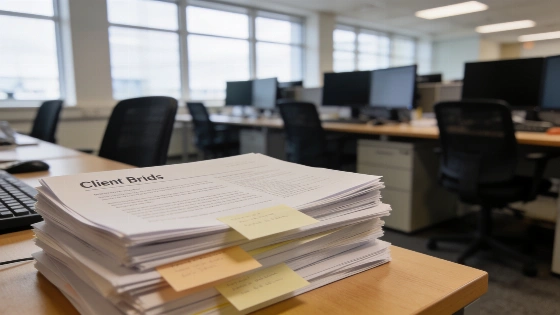
Mail Metro Media has changed the playbook. Journalists now work inside its commercial team. Their job is simple: find real stories in advertiser briefs. But commercial goals never override editorial judgment. Editors always have the last word.
Mail Metro Media now positions itself as the advertising home for Daily Mail, Metro, The i Paper, New Scientist, Eliza, and print products of The Telegraph, offering unified access to print, digital, audio, video, and social platforms.
This model draws a hard line. Commercial and editorial stay separate. Fletcher’s team can suggest stories based on what clients want. But only Mail Metro editors decide what gets published. Sponsored content is always marked. Clients never get to approve the copy. There are no promises of organic coverage. If a story is weak, the commercial team tells the client straight.
Inside the commercial newsroom
It starts with the client’s goals, key messages, and what success looks like. Fletcher’s team listens first. Only then do they look for a fit with Mail Metro Media’s readers. If the story doesn’t work, they say so. Editorial integrity comes first. Reader trust is non-negotiable.
At the Upfront & Centre event, Mail Metro Media announced the launch of MetroWorks, an in-house agency uniting insight, strategy, creative, consumer activation, and commercial editorial expertise as part of its expanded commercial model.
The Deep Dive took off fast. Within 24 hours, it drew hundreds of thousands of views. Average dwell time topped two minutes. Readers who saw the campaign were 1.2 times more likely to donate and to use the online symptoms checker, according to Fletcher. Decisions moved at speed. The team used a private WhatsApp group to flag, approve, and book ads around a story in as little as three minutes.
Guardrails and editorial power
Fletcher is clear. The rules are strict. Commercial teams cannot buy editorial outcomes. Sponsored work is always labeled. Editors alone decide if a story runs. Clients never get to approve copy. Fletcher says this setup changes only how information flows, not the independence of editorial calls.
He sees a goldmine of untapped stories in client briefs. But credibility depends on one thing: commercial teams can suggest, but editors decide. This lets Mail Metro Media move faster and offer more than just ad space.
Other publishers should take note. Trust and speed matter. But only if the structure is clear and the editorial firewall holds. Fletcher’s team acts as a filter. They surface research and case studies. They never guarantee coverage. The model works only if the rules are enforced every time.
Strategic stakes for publishers
This experiment comes as publishers hunt for new ways to make money from audience attention without losing trust. As reported earlier, legacy media faces pressure to build direct ties with readers as AI search cuts into traffic. Fletcher’s model offers a path: use newsroom skills to unlock value for advertisers, but never trade away editorial independence.
Here’s the lesson. Publishers who want to move fast and keep credibility need discipline. The commercial editorial team can find stories that matter to both clients and readers. But editors must keep the right to say no. This is not a shortcut to easy money. It’s a tough approach that demands trust, speed, and the guts to walk away from weak pitches. Every story counts. Mail Metro Media’s experiment shows that strong commercial results start with editorial strength, not compromise.