
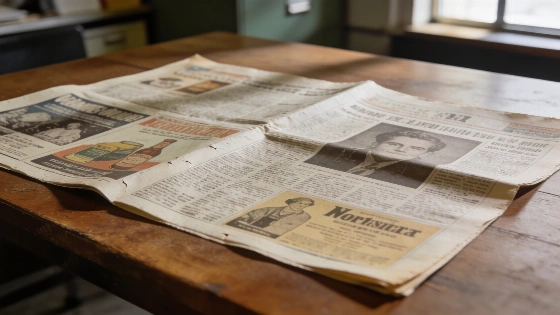
On September 18, The New York Times dropped a nine-page print spread. It wasn’t just a look back. The paper brought out seven of its most famous ads, some dating to the 1800s. The message was blunt: news needs advertisers. Always has.
The earliest ad in the campaign-a Tiffany & Co. holiday placement-appeared just three months after The New York Times published its first issue in 1851, highlighting the paper’s immediate appeal to major advertisers.
The Times didn’t stop at print. The campaign runs across digital, with custom ad units, audio spots, and a special page tracking ad milestones. Tiffany & Co. was there from the start. Its ad ran only three months after the Times began. That’s no accident. The paper’s fate has always been tied to the brands in its columns. PRINT magazine reports the campaign will run through September 30, 2026. Digital formats and audio spots are part of the mix, not just the print insert.
For publishers, the point is sharp. Advertising isn’t dead. It’s still shaping what people read and how they see the world. Tusar Barik, senior vice president of marketing at New York Times Advertising, said the archive proves ads often spot big changes before they hit the mainstream. Think cars, online banking, or new tech. The campaign’s ad picks-from Ford’s Model T in 1909 to IBM’s space push and newer finance, beauty, and travel campaigns-track how tech and habits shift. Mission Media breaks down how these choices show the link between ads and culture.
The New York Times Advertising emphasized that the archival ads featured in the campaign were selected for their cultural and historical significance, not as paid placements for the anniversary project.
Ad markets are shaky. Revenue models keep changing. The Times’ campaign lands as publishers rethink what they get from ads versus what they give up. The timing matches worries in a recent analysis of local ad growth. Political ad swings have left many outlets scrambling for steady income.
For digital media, the lesson is blunt. Brands in the news aren’t just sponsors. They’re partners in keeping journalism alive. The Times is making a clear bet: news and brands are locked together. In a world of algorithms and scattered attention, publishers who show this bond will win both advertisers and loyal readers.








