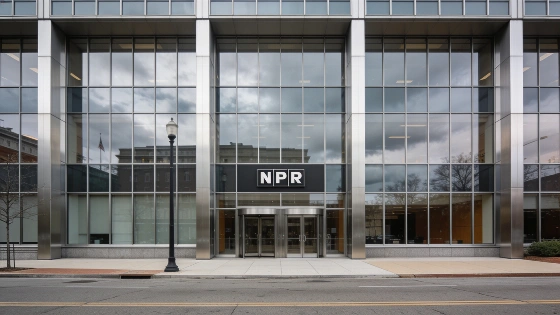
Casey Newton and Kevin Roose are bringing their new show, Machine Gods, to NPR. The deal comes as NPR faces layoffs and the end of federal funding. Still, NPR is putting money on big new projects to stay in the game.
Roughly 33% of Americans never or rarely listen to podcasts, making radio expansion a key strategy for NPR to reach new audiences.
Bloomberg reports the deal is close to $5 million. That number surprised many in the industry. NPR has been cutting costs, offering buyouts, and reorganizing. Zylstra knows some are skeptical. NPR has rarely made outside content deals this bold. She says the company is not backing down. NPR wants to grow, even after a tough year.
NPR will distribute Machine Gods not only on its own app but also on major platforms like YouTube and Apple Podcasts, while keeping the creators’ company, Machine Gods Media, involved in both ownership and production.
NPR has tried video before. Wild Card, Newsmakers, and Tiny Desk Concerts all tested the waters. This time, NPR wants to pull viewers to its own platforms. CEO Katherine Maher calls YouTube and other platforms the "top of the funnel." NPR is rebuilding its app to get more direct engagement. The strategy is clear.
Machine Gods isn’t the only new project. NPR is launching Your Turn with Allison Aubrey, made with WBUR, to help listeners through midlife changes. The Indicator from Planet Money is expanding to weekends with a focus on pop culture. NPR is betting on both in-house talent and outside partners. The digital push is on.
Newton and Roose’s last show, Hard Fork, was known for sharp tech reporting and a casual, funny style. Zylstra thinks Machine Gods will fit NPR’s standards for deep journalism. She expects a more opinionated, conversational tone than NPR’s usual news shows. She compares it to Car Talk. NPR wants both straight news and lively analysis.
Newton and Roose chose NPR for its public mission. They want Machine Gods to stay free and easy to find. NPR’s reach was a big draw. Zylstra says this is a selling point for future deals. NPR can offer creators a huge audience without paywalls or tight licensing.
Member stations can decide when or if to air Machine Gods. Zylstra suggests a late-night slot after All Things Considered. The twice-weekly video format and later radio rollout give NPR a shot at both digital and old-school listeners. Platform loyalty is fading. NPR wants both crowds.
Public media has a different goal than commercial outlets. NPR aims for reach, not subscriptions. Zylstra says NPR doesn’t need paywalls to prove its value. That could matter as NPR tries to win over creators and listeners in a crowded field.
Other public media projects, like the Library Newsroom Project, show that old institutions can change when it counts. NPR is spending on Machine Gods even as budgets tighten. The bet is simple. News will belong to those who mix trusted reporting with new formats and direct audience ties. The real test is coming. Can NPR’s video gamble bring the scale and engagement it needs to keep its mission alive?