Trump calls for FCC scrutiny of NBC's Kristen Welker after her remarks on his endorsements, highlighting ongoing tensions between political messaging and media coverage ahead of the midterms.
Donald Trump is pressuring the Federal Communications Commission to take action against NBC's Kristen Welker, intensifying his campaign to portray mainstream media as adversarial to his political goals. The dispute began after Welker, host of "Meet the Press," described the results of Trump’s recent primary endorsements as "some mixed" during an interview on WRC-TV in Washington, D.C.-a description Trump rejects and now wants addressed by regulators.
In a post on Truth Social, Trump called Welker's comment a 'purposeful inaccuracy' and threatened to report her to the FCC for 'rebuke or punishment.'
Welker’s interview also mentioned a recent win for Senator Darline Graham, Trump’s pick and the sister of the late Senator Lindsey Graham, in her primary. While this was a positive note for Trump, it was overshadowed by the larger dispute over how the media covers his influence. The conflict has moved beyond on-air exchanges, with Trump now threatening regulatory action and pro-Trump TV campaigns expected to ramp up ahead of the 2026 midterms.
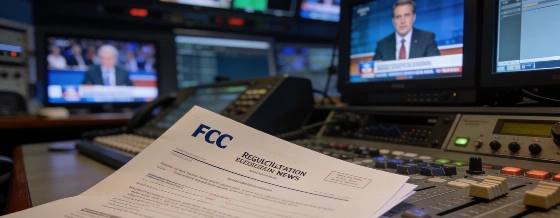
According to Poynter, the FCC does not have the authority to punish NBC or Kristen Welker for expressing a viewpoint on air; the agency itself states it cannot prohibit broadcasters from airing specific opinions. This episode is part of a broader pattern of Trump applying pressure on major news networks and using claims of media bias to mobilize his supporters.
Audience data remains a key factor. Fox News polling from July puts Trump’s overall approval at 39%, with some other surveys showing numbers in the low 30% range. Still, Republican support for Trump’s handling of the Iran war stands at 66%, highlighting the divide between general and partisan audiences. For media outlets, the question is whether coverage-positive or negative-actually changes viewer opinions or simply reinforces existing loyalties. As seen in a previous investigation into CBS’s editorial sourcing, how political stories are framed and distributed continues to affect both audience trust and platform reputation.
Trump’s claim that Kristen Welker "is going to loom large over these midterms" is less a prediction than a calculated move. By turning media criticism into a campaign tool and threatening regulatory action, he is testing the limits of both journalistic independence and government oversight. For digital publishers, the message is clear: the intersection of political messaging, regulatory risk, and media credibility is now a central operational concern. Underestimating the impact of media disputes on audience sentiment and traffic can have real consequences.
According to The Hill, Trump's threat was specifically in response to Welker's remarks on the local NBC affiliate WRC-TV, not the national "Meet the Press" broadcast. In his Truth Social post, Trump claimed his endorsement record was "100%" for Senate and "98%" for House races "recently and over the longterm."
FCC Commissioner Anna Gomez, a Democrat, publicly responded to Trump's threat, calling it "dangerous" and highlighting the political tensions within the regulatory agency. As reported by The Hill, this episode has reignited debate over the FCC's actual powers regarding broadcast content and political speech.
Further analysis by Poynter underscores that the FCC cannot penalize broadcasters for viewpoints expressed on air, reinforcing the limits of regulatory intervention in such disputes.