A CBS News post about Abdul El-Sayed quickly drew public backlash, raising questions about how publishers handle sensitive political stories and the risks of amplifying outside narratives.
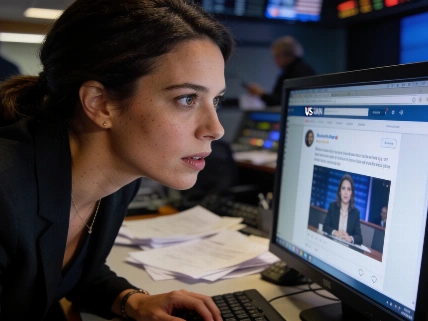
On Monday at 8:18 a.m., CBS News posted on X about Abdul El-Sayed, the Democratic nominee for U.S. Senate in Michigan. The post, which referenced the upcoming 25th anniversary of September 11, 2001, immediately sparked criticism. Many saw it as unfairly linking a Muslim candidate to the 9/11 attacks and opening him up to renewed political attacks. The post closely followed the lead of a story from the Bari Weiss-led organization, which CBS had published as an exclusive on its website.
CBS News Detroit had previously reported on Abdul El-Sayed's apology to the Jewish Democratic Caucus of Michigan following his comments after the West Bloomfield Township synagogue attack on August 29, 2026.
The backlash highlighted the risks for major publishers when they amplify politically sensitive stories, especially those sourced from outside organizations. CBS News’s decision to echo another outlet’s framing-without adding context or further independent reporting-drew sharp responses from journalists and the public. The episode shows the tension between speed, exclusivity, and editorial responsibility in digital newsrooms.
The most prominent official reaction in open sources came from Republican organizations and politicians. The National Republican Senatorial Committee (NRSC) republished and circulated the CBS headline, using it as an argument against El-Sayed. Meanwhile, media criticism was immediate and focused on the potential Islamophobic framing, with journalists and Democratic lawmakers condemning CBS for linking a Muslim candidate to the 9/11 anniversary.
For digital publishers and content strategists, the CBS-El-Sayed episode is a clear example of how editorial shortcuts can quickly turn into brand crises. Even established newsrooms can face reputational damage when they prioritize speed or exclusivity over independent verification. According to Common Dreams and other outlets, CBS changed the article's headline after the backlash, but the original post had already spread widely and drawn criticism.
This controversy is a warning for publishers working in a fast-paced, competitive news environment. The urge to quickly amplify trending political stories must be balanced against the long-term impact on trust and audience loyalty. For media leaders, the lesson is that strong editorial vetting and transparent sourcing are essential for credibility. As of September 1, 2026, there is no public record of an official apology from CBS News about the post, despite extensive coverage and criticism.