Meta cut off CrowdTangle and left newsrooms scrambling for alternatives. Now, Arbiter claims it can track viral narratives across platforms. Can AI fill the gap for journalists and fact-checkers?
When Meta shut down CrowdTangle in 2024, it left newsrooms, fact-checkers, and researchers without a key tool for tracking viral content and misinformation in real time. The sudden loss forced organizations to look for new ways to monitor what was happening on Facebook and Instagram. Many warned that without CrowdTangle, it would be much harder to follow political disinformation and online harassment.
Meta replaced CrowdTangle with the Content Library, a tool that only approved users can access. Unlike CrowdTangle, the Content Library is widely seen as slow and restrictive. It offers fewer options for searching and analyzing data, and Meta controls who gets in (John Menadue article on Meta Content Library).
Meta’s Content Library, introduced after the discontinuation of CrowdTangle in 2024, has been criticized for restricting independent research and limiting the ability to observe platform activity in real time.
- John Menadue
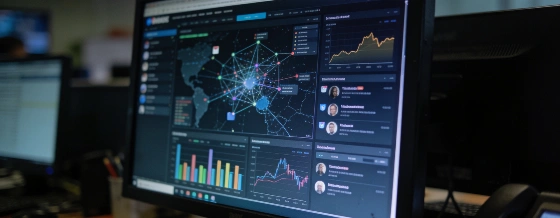
Arbiter, a new AI-powered platform from the nonprofit SimPPL, is trying to fill this gap. Unlike Meta’s Content Library, which limits access and strips out advanced search and automation, Arbiter aims to restore-and even expand-the ability to track how stories spread. It covers not just Meta’s platforms, but also Twitter (X), YouTube, TikTok, Reddit, Bluesky, and 4chan. Arbiter uses a stack of eight to ten AI models to group posts, pull out claims, and spot coordinated messaging. Newsrooms can even choose which large language model provider they want to use.
For publishers and fact-checkers, the need is immediate. Deutsche Welle, Chequeado, Rappler, and more than 100 other organizations have already signed up for Arbiter. Early users like Mongolia’s Nest Center say the tool’s trend-mapping features have helped them spot new narratives before they hit the mainstream. In one example, Arbiter detected a shift in Mongolian Facebook conversations from “false information” to “libel” and “defamation” weeks before parliament moved to criminalize those terms, giving journalists an early heads-up.
Still, Arbiter can’t do everything. Meta’s API rate limits and data restrictions remain in place, so SimPPL has to work with third-party data vendors, use academic data dumps, and accept data donations from civil society groups. The legal risks are real: lawsuits like Elon Musk’s X versus the Center for Countering Digital Hate have made researchers cautious, and Arbiter’s team works closely with lawyers to avoid breaking platform rules.
Ongoing criticism highlights that Meta’s Content Library does not allow the same level of independent platform observation as CrowdTangle once did, which is the core gap Arbiter claims to address.
- John Menadue, Journalist and Policy Analyst
AI versus platform control
Arbiter’s main selling point is independence. SimPPL’s co-founder Swapneel Mehta, who previously worked on misinformation detection at Twitter and coached AI projects for JournalismAI, says newsrooms need tools that aren’t controlled by the platforms themselves. He argues that most social listening tools built for PR and marketing only send alerts after a story has already gone viral. Arbiter, on the other hand, tries to spot coordinated messaging and narrative shifts before they take off, so journalists can get ahead of the story.
Arbiter is also flexible. It doesn’t rely on a single AI model, but combines several layers for query encoding, semantic similarity, network mapping, and more. Newsrooms can adjust the stack to fit their needs and languages-a key feature for groups like Nest Center, which needed better Mongolian language support. Arbiter can analyze trends across multiple platforms, something CrowdTangle never offered. Early testers say it’s already surfacing insights that Meta’s own tools miss.
But Arbiter isn’t a complete replacement. Nest Center’s Duuya Baatar points out that while Arbiter is good at tracking narrative trends, Meta’s own tools are still better for monitoring large volumes of specific posts or accounts. For now, many newsrooms use both, hoping the combination will cover what CrowdTangle used to do. Cost is another issue: Arbiter is currently free for newsrooms, which is essential for many organizations, but SimPPL is still looking for a way to fund the project long term.
Data workarounds and legal risks
Getting reliable data is Arbiter’s biggest challenge. SimPPL has spent months trying to get through Meta’s API approval process, only to run into strict limits on what data they can access. To fill the gaps, the team has made deals with third-party vendors and relies on data donations, a tactic borrowed from WhatsApp disinformation researchers. But as more people use Arbiter, the risk grows that platforms will take notice and push back against independent monitoring.
The legal threats are real. The 2023 lawsuit by X against the Center for Countering Digital Hate, though dismissed, showed how fragile scraping and data aggregation can be for researchers. Arbiter’s legal team is always reviewing its methods to avoid similar problems. Mehta is realistic about the risks: platforms may tolerate small independent tools, but as those tools become more influential, access can be cut off at any time.
For newsrooms, the reality is that no single tool can guarantee steady access to the data needed for accountability reporting. The end of CrowdTangle was a reminder that platforms control the gates, and alternatives like Arbiter have to keep adapting to new rules and technical barriers. As reported earlier, publishers are now forced to experiment with new formats and tools just to keep track of what’s happening in a closed ecosystem.
Editorial verdict
Meta’s decision to shut down CrowdTangle wasn’t just a technical update-it was a move to limit outside scrutiny at a time when misinformation and coordinated manipulation are still widespread. Arbiter is a direct response, giving newsrooms a way to track narratives and hold platforms to account. But the power still sits with the platforms: as long as data access depends on their approval, independent monitoring will always be vulnerable. Whether tools like Arbiter can keep up with changing rules-or whether another blackout is just around the corner-remains an open question.