Scripps Lays Off Anchors, Switches to AI-Run Local News
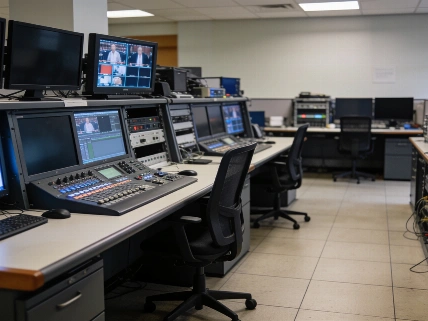
Scripps is cutting hundreds of local TV jobs and moving to AI-powered, anchorless news broadcasts-a major cost-saving shift that could reshape local TV.

The BBC is exploring a new approach to content recommendations, focusing on civic value rather than just engagement. This could change how audiences find and contribute to media, as commercial platforms face increased scrutiny.
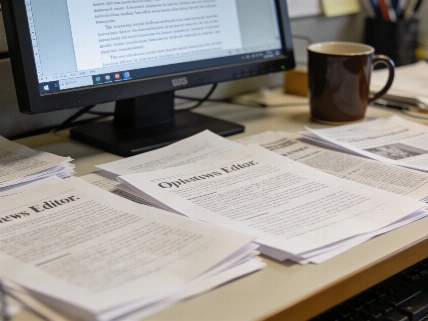
A Wall Street Journal op-ed openly crafted with AI has triggered a wave of policy clarity at major US newspapers. Editors are now drawing strict boundaries on AI-generated opinion content.
A CBS News post about Abdul El-Sayed quickly drew public backlash, raising questions about how publishers handle sensitive political stories and the risks of amplifying outside narratives.
A major European publisher takes a stake in The Circuit, an Abu Dhabi-based tech and business outlet. The move tests Axel Springer's editorial standards on free speech in new markets.
AI is reshaping how stories are written, edited, and published. Newsrooms face tough questions about transparency, bylines, and the line between human and machine. Standards are evolving fast.
Search referrals to publisher sites have plunged from 70% to under 20% in three years. John Nardone says this is a permanent shift. Publishers must now adapt to new distribution realities.
An arbitrator ruled that The Washington Post must rehire Karen Attiah. The decision found her termination over social media posts was not justified. The publisher was also ordered to provide back pay.
Accessing federal records can be challenging for reporters. Journalists reveal proven methods for generating FOIA ideas, writing effective requests, and handling appeals to secure public information.
A high-profile opinion article in The Wall Street Journal was partly drafted with AI, prompting debate over editorial standards. The newsroom is weighing the implications, while leadership stands by the decision.
AI tools are being embedded in SPORT’s CMS to help journalists manage fast-paced editorial demands. The MENTOR project aims to boost efficiency while keeping editorial standards high.
AI-powered search summaries cut into lifestyle traffic. Allure dropped zodiac content and doubled down on beauty journalism. The result: stronger loyalty, higher-value advertisers, and more direct visits.
Major publishers are testing new ways to make their content more accessible to AI bots. USA Today Co. is reformatting articles to boost licensing deals and improve discoverability. The company is also tracking which bots access its site.
Twenty US video production roles are being cut as AP shifts work to India. Union leaders warn of risks to coverage quality. Additional layoffs in photo and London video teams are planned.
Publishers are adapting video strategies as audiences shift to new platforms. Joe Pickover explains why tailored formats, live coverage, and data-driven decisions are now essential. AI and platform fragmentation are reshaping newsroom workflows.
A major regional newspaper deal will shift 25 Ohio and Indiana publications to new ownership. HD Media will take control in September. Terms remain undisclosed.
Hidden manual tasks drain resources in publishing operations. Learn how to identify, measure, and prioritize automation and AI investments for maximum impact.
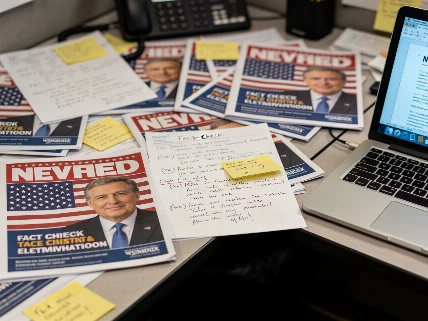
A new joint newsletter will help media professionals spot misleading election ads. Fact-checkers across the US are collaborating for the first time. The project aims to track and share trends in election-year misinformation.
A proposed media law in Mexico could let officials judge news coverage for truth and balance. Critics warn it may chill press freedom. The plan includes steep financial penalties for violations.
Automated AI bots are extracting more content from publisher sites. New data shows European publishers face higher scraping rates. Referral traffic from AI systems remains minimal.
Journalists across 108 countries join forces for World News Day 2026. The campaign highlights the value of credible reporting amid rising propaganda and attacks on truth. Newsrooms are encouraged to showcase their best work.
Fact-checkers at India Today use Backstory to quickly verify images. The tool automates provenance checks and context tracing. Google DeepMind is gathering feedback from journalists to improve accuracy.
Publishers are seeing new revenue as AI crawlers face stricter blocks. Cloudflare’s default bot restrictions are changing how content is licensed and monetized. Pay-per-use models and new tracking tools are reshaping negotiations.
Editors at The Food Section are changing how they accept story ideas. Starting September, pitches must be made by phone. The move aims to block AI-generated spam and reconnect with real writers.
Editors face tough calls on how to report large youth gatherings. Language, images, and framing can shape public perception. Context and nuance are critical to avoid harm.
September 28 marks World News Day 2026. Publishers and audiences are invited to join a global campaign highlighting journalism’s impressive role. Participation has grown each year.
AI could offer new revenue streams for local publishers. Axios CEO Jim VandeHei believes artificial intelligence may help newsrooms monetize their content. The debate over fair compensation continues.
Krone and Mediaprint are restructuring their executive teams. Gerhard Valeskini will exit as managing director at the end of September. Clemens Schwaiger steps in to lead commercial operations.
Bot traffic now surpasses human visits online. New US and UK bills target stealth bots that scrape content and disrupt publishers. Industry leaders urge global action to restore transparency.
Shrinking ad revenue and AI-driven content scraping are pressuring local publishers. Danielle Coffey urges lawmakers to pass AB 2222 to help newsrooms retain journalists as the bill advances.