
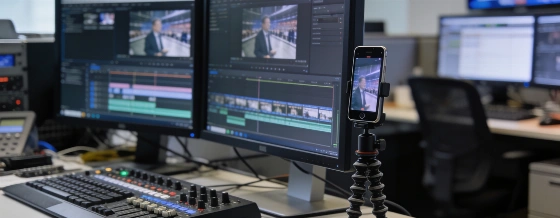
Publishers are adapting video strategies as audiences shift to new platforms. Joe Pickover explains why tailored formats, live coverage, and data-driven decisions are now essential. AI and platform fragmentation are reshaping newsroom workflows.
As audiences increasingly consume news through video across a growing number of platforms, publishers are being forced to overhaul their video strategies. Joe Pickover, a leading voice in newsroom operations, says the days of relying on a single video format are over. Instead, publishers must now deliver content that fits the unique demands of each platform, from traditional websites to social apps like TikTok, Instagram, and YouTube.
Pickover notes that audience behavior has shifted dramatically, with viewers expecting to find news in formats that feel native to their chosen platforms. This fragmentation means publishers can no longer treat video as an add-on or simply repurpose the same footage everywhere. Instead, they must consider where the audience will encounter each story and tailor the video accordingly-whether that means a live stream, a vertical short, or an in-depth explainer.
One common misstep, according to Pickover, is treating all video as a single format. He points out that a 16:9 clip for a website, a live broadcast, and a 30-second vertical video for social media each serve different audience needs. Historically, publishers would create one video and adapt it for multiple platforms, but this approach often results in content that feels out of place. The key, he says, is to start with the audience and the platform in mind, ensuring the video’s presentation matches how people actually consume news.
Pickover also emphasizes that “video-first” journalism should not mean abandoning written content. Instead, he advocates for integrating visual thinking from the start of the reporting process. Journalists should consider which moments are best captured as video, whether there’s an opportunity for live coverage, and how to gather material in the most effective format-be it professional cameras or mobile phones in vertical mode. The goal is to identify the strongest visual moments while maintaining editorial standards across all formats.
Live video, Pickover says, has become a powerful tool for audience engagement. Publishers are using live coverage to draw viewers back to their own platforms, support subscription models, and create new revenue streams. For certain events, audiences want to witness developments as they happen, making live video an essential complement to other forms of coverage. This trend echoes recent moves by major platforms to prioritize longer viewing and live formats, as seen in YouTube’s updated monetization requirements.
Data now plays a critical role in shaping video strategy. Publishers have access to detailed information about where audiences are watching, which formats drive engagement, and how behavior varies by platform. Pickover cautions, however, that while data should inform investment and distribution decisions, it should not override editorial judgment about which stories matter most.
Artificial intelligence is beginning to influence video production and distribution, particularly by automating repetitive tasks and streamlining workflows. Pickover sees potential for AI to make content easier to discover and prepare for different platforms, but stresses that human oversight remains essential. As AI-generated and manipulated content becomes more common, maintaining trust through rigorous verification and editorial review is more important than ever.
Looking ahead, Pickover says PA Media is focused on adapting to publishers’ evolving video needs. The agency has introduced a 9:16 vertical video feed to provide social-ready content, reducing the need for publishers to re-edit footage for different platforms. The challenge, he says, is to deliver multiple versions of the same news event-live, traditional, consumer-ready, and vertical-while upholding standards of accuracy and verification.