New requirements for YouTube Partner Program take effect in 2027. Creators must meet higher watch hour and Shorts view thresholds. The changes highlight YouTube’s focus on longer viewing and TV screens.
YouTube face a significant shift as the platform raises the bar for joining its Partner Program. Starting February 1, 2027, channels will need to reach 8,000 watch hours in the past year or 20 million Shorts views over 90 days to qualify for ad revenue sharing. This is a substantial increase from the current requirements of 4,000 watch hours or 10 million Shorts views, alongside the existing 1,000 subscriber minimum.
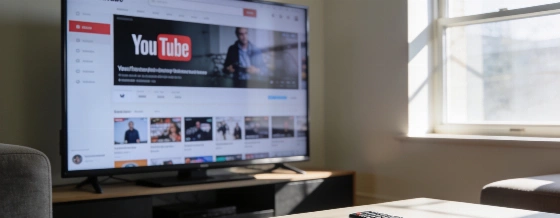
For those already in the YouTube Partner Program, these new thresholds will not affect their current status. However, new applicants and channels aiming to monetize will need to meet the updated criteria. The move signals YouTube’s clear preference for longer viewing sessions and content that performs well on living-room screens. According to the company, viewers now watch more than 1 billion hours of YouTube on TV screens daily, reflecting a shift in viewing habits toward on-demand, creator-driven content in the home environment.
While the way audiences consume video has evolved from linear TV to on-demand platforms, YouTube’s integrated ad-buying system allows advertisers to target these living-room impressions more effectively. The platform emphasizes the value of TV screen views, citing larger screens, multiple viewers, and deeper engagement as key selling points. Notably, YouTube can still serve ads on content from channels outside the Partner Program, but in those cases, creators do not receive a share of the ad revenue.
Shorts, YouTube’s short-form video format, operates under a different revenue model. Ad revenue from Shorts is pooled and then distributed to eligible creators. From February 2027, creators must maintain at least 10 million qualified Shorts views over a rolling 90-day period to earn from this pool. If a channel drops below this threshold, Shorts revenue is paused until the requirement is met again, though other Partner Program earnings remain unaffected. The new entry bar of 20 million Shorts views over 90 days equates to roughly 222,000 daily views, making Shorts a more demanding path to monetization.
These changes reinforce YouTube’s strategic focus on long-form content and TV-based viewing, while making the route to ad revenue through Shorts more challenging. Requirements for Shopping, Creator Partnerships, and fan-funded content remain unchanged. YouTube has also announced potential incentives for Shorts creators, including Shopping bonuses and production credits for brand deals, as part of its broader pitch to advertisers and creators.
Publishers have seen dramatic results from creator-led video strategies on YouTube. For example, Time reported a seven-fold increase in YouTube views after expanding its creator collaborations and newsroom involvement, as detailed in this report on Time’s YouTube growth. Such cases highlight the platform’s evolving dynamics and the importance of adapting to new monetization standards.