Most news outlets are ignoring Donald Trump’s push to call Lake Ontario 'Lake America.' Even Republican-leaning sites are sticking with the old name. Here’s why the rebranding isn’t catching on.
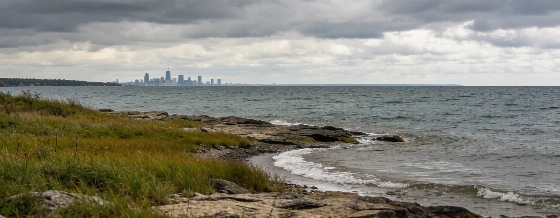
Donald Trump’s latest effort to put his stamp on the map-this time by calling Lake Ontario “Lake America”-has mostly been met with silence from newsrooms. Even with the federal government officially adopting the new name, most media outlets, including those with Republican audiences, aren’t following suit.
On August 27-28, 2026, the White House announced the change for federal use, with Trump signing an executive order and the U.S. Geological Survey updating the name in its database, as reported by Reuters. The change only applies to U.S. federal agencies and doesn’t affect Canada, international bodies, or anyone else outside the federal system.
Following the GNIS update, Google Maps began displaying 'Lake America' for U.S. users, 'Lake Ontario' for Canadians, and both names for users elsewhere, directly linking the change to the federal database update.
- NPR
Last year, Trump tried something similar by ordering the Gulf of Mexico to be relabeled as the “Gulf of America.” That move got a brief burst of attention, but major outlets like the Associated Press stuck with the original name. Now, with “Lake America,” the pattern is repeating: newsrooms are sticking to established names, regardless of what the White House says.
Media Cloud data from February 2025 through August 26, 2026, shows the trend clearly. “Gulf of Mexico” still dominates news coverage, while “Gulf of America” remains rare and mostly limited to strongly pro-Trump media. The gap is growing. In national outlets, the ratio of “Gulf of Mexico” to “Gulf of America” stories jumped from 1.24 to 7.23 over the period. Democrat-leaning sites almost never use the new term, peaking at 69 mentions of “Mexico” for every “America.” Even Republican-leaning outlets, which briefly tried out the new label, returned to the traditional name by mid-2025, ending with a 3.13-to-1 ratio in favor of “Gulf of Mexico.”
Apple Maps followed Google’s lead, updating its web version so that U.S. users now see “Lake America,” Canadians see “Lake Ontario,” and everyone else sees both names. AP News notes this is the same approach taken during the Gulf renaming attempt, but it hasn’t changed how most media outlets refer to the lake.
Canada responded to the U.S. renaming by unveiling a giant sign reading 'Lake Ontario - Now and Always,' a symbolic gesture led by Ontario Premier Doug Ford to express disagreement with the change.
- NPR
Only a small group of Republican-leaning sites-15 out of 123-used “Gulf of America” in more than half their stories, with Fox Business leading at 83%. In contrast, 30 Democrat-leaning outlets never used the new term at all. Across all 292 outlets analyzed, more than half used “Gulf of America” in less than 10% of their coverage. The numbers make it clear: Trump’s renaming push isn’t catching on in mainstream or even most partisan media.
Trump has managed to get tech companies like Google and Apple to update their maps, but newsrooms are holding their ground. The Associated Press, The New York Times, and hundreds of other outlets continue to use the traditional names, ignoring executive orders on what to call the lake. The data suggests that, outside a narrow group of loyalist media, “Lake America” is unlikely to show up in headlines or news stories, no matter how many times the administration repeats it.
For editors and publishers, the takeaway is straightforward: audience trust and editorial standards matter more than political pressure, even in a polarized climate. The refusal to use “Lake America” or “Gulf of America” isn’t just about word choice-it’s a sign that newsrooms are still drawing a line between government messaging and independent reporting. As long as readers and journalists keep rejecting these rebranding efforts, the White House’s attempts to change the map will stay on the sidelines, not in the news.