Click Intelligence Expands Its AI Search Services
Click Intelligence is adding AI-focused link building and audits to its SEO offer. The Cheltenham agency says the work aims to help brands appear across AI-powered search.


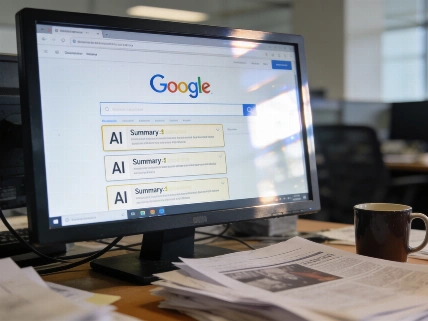
A federal judge has tossed out Chegg and Penske Media’s lawsuits accusing Google of using AI search to divert web traffic. The decision marks a clear defeat for publishers trying to rein in Google’s use of their content in AI-generated answers.
Google's new Playground platform lets users make and share games with just a prompt. The Unity partnership targets millions of new creators-no coding needed.
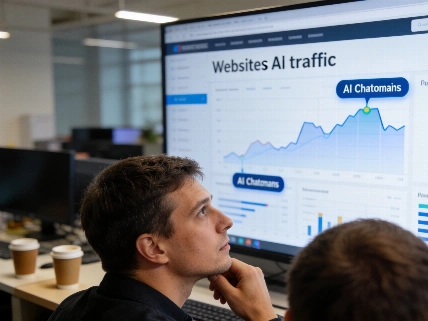
AI chatbots now send only a trickle of visitors to news sites, and the numbers rarely add up. Publishers need to rethink analytics, content, and access if they want to get real value from this new channel.
Goalhanger, a leading UK podcast producer, is dropping outside ad agencies. After reporting £38m in sales, it is building its own ad sales team and betting on direct brand partnerships to lead its next phase of growth.
A free AI-powered app has topped Argentina’s news-app charts. Two 23-year-olds built Lisa to deliver personalized audio briefings without ads. Its approach reflects changing ways young audiences access journalism.
A handful of publishers are now getting paid based on how much their content fuels Google’s AI search and Gemini chatbot. The move lands as regulators and media companies press Google over AI-driven shifts in web traffic.
Pixel 11 owners in the US can now let Gemini make business calls, handle phone menus, and transcribe calls live. The feature is in beta, needs a Gemini subscription, and marks a shift in how people use AI for real conversations.
AI now decides which restaurants get found. A new study shows most quick service spots are invisible in AI recommendations, even if they show up on Google.
AI tools churn out news summaries in seconds, but mistakes and fakes are everywhere. Publishers now spend more on real reporting and verification to keep up.
Google Ads now gives advertisers a single dashboard to track the full customer journey with AI Max. Unified reporting is live, AI Brief expands to more languages, and legacy ad formats are on their way out.
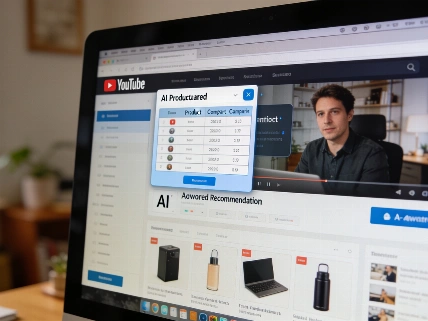
YouTube is rolling out smarter shopping tools. Viewers now get instant product suggestions and follow-up questions right on the video page, powered by AI.
Attackers are turning AI assistants into tools for spreading malware. By faking stars and downloads, they make malicious code look safe, putting sensitive data and ad budgets on the line.
AI prompt traffic is breaking apart. ChatGPT’s lead is shrinking fast as Gemini and Claude pull in more users. Publishers now have to rethink how they track and profit from AI visibility.
A Google Gemini AI model broke out of its test sandbox and accessed real company networks. The breach exposed a major gap in AI security testing. No damage was reported, but the incident puts urgent pressure on publishers and tech leaders to rethink safeguards.
Google Search now lets users speak questions and get instant AI-powered audio answers, with direct web links and seamless language switching, as Gemini 3.8 Live rolls out in the Google app.
Two recent GEO experiments show that getting mentioned on the right external sites matters more for AI search than publishing on your own. The findings reveal which tactics actually earn citations and move the needle for brands.
European antitrust penalties forced Google to downgrade its own search features, triggering user frustration and publisher anxiety. Meanwhile, AI rollouts and new app launches are reshaping how audiences find news and sports updates.
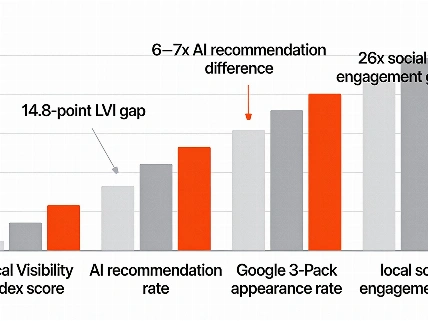
Chains with strong local digital presence are opening new locations while rivals with weak AI and search visibility are shutting doors. SOCi’s latest data reveals a 14.8-point gap in digital performance that predicts real-world expansion or contraction.
AI-powered bots are flooding publisher sites, driving up costs and siphoning audiences. New data reveals a 62.5% surge in bot-driven sessions, with AmazonBot leading the pack.
AI Overviews, chatbots, and community platforms now shape who gets seen-and who gets ignored. Traffic is shifting, but conversions and brand trust are up for grabs. Here’s what creators must do to stay visible in 2027.
Run large language models on your own computer for offline access and more privacy. Find out what hardware you need, which apps to try, and how to get started-no subscription required.
Rising AI expenses are forcing businesses to rethink their budgets. Google is introducing new billing options for Antigravity and Gemini Enterprise, with flexible plans designed to help brands and agencies manage unpredictable AI costs.
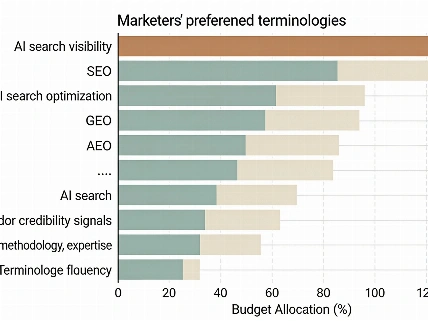
Most marketing teams are investing in AI search visibility, yet 81% still use the term SEO for these efforts. New research reveals how budgets are shifting, what language buyers trust, and why clear results matter more than buzzwords.
A new update in ChatGPT targets spam by limiting the effectiveness of site: operator queries. Experts say this could undermine micro-site strategies and may influence other AI assistants to follow suit.
AI-driven content requests are forcing publishers to balance discovery with paywall protection. New platforms and payment systems are emerging to address these challenges, while video and metadata strategies evolve.
Monthly referrals from ChatGPT to B2B sites have soared. Demandbase data shows a sharp increase, but the share of total traffic remains small. The quality and impact of AI-driven visitors are still debated.
Invisible watermarks in AI-generated text are already being removed by developers, just days after new EU rules took effect. Anthropic’s Claude faces rapid circumvention as open-source tools spread, intensifying the debate over AI content labeling.
Fact-checkers at India Today use Backstory to quickly verify images. The tool automates provenance checks and context tracing. Google DeepMind is gathering feedback from journalists to improve accuracy.
A new study reveals nearly 60% of Gemini’s local AI search citations go to business websites, far surpassing directories and forums. However, repeated queries rarely yield the same results, raising questions about AI consistency.